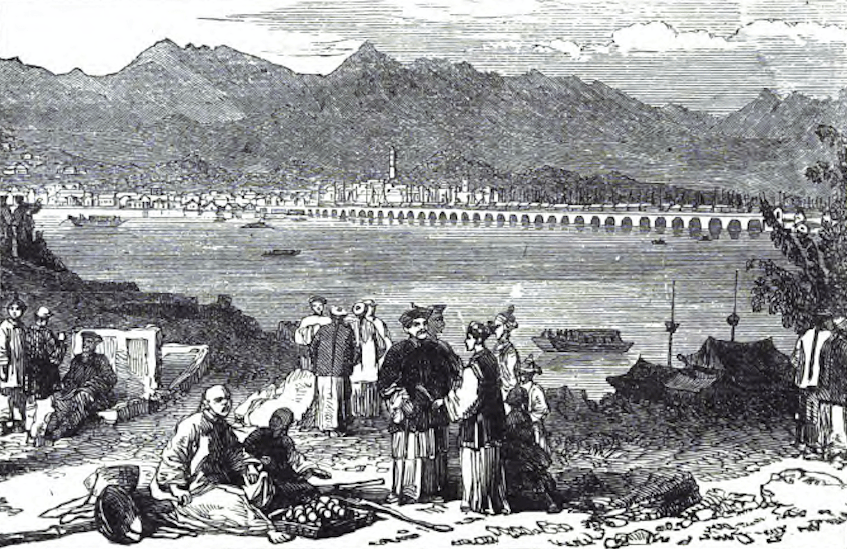
The exact origins of karate cannot be clearly reconstructed today. This would require extensive research in the East Asian region, which has not been carried out to the extent that would have been necessary. And in the end, it can be said that many questions remain unanswered. However, the Japanologist and sports scientist Heiko Bittmann (2017: 63), professor at Kanazawa University, sums up the current state of research quite accurately, in my opinion, when he explains that it is plausible that Chinese martial arts were introduced to the Ryūkyū Islands in the second half of the 14th century, after the establishment of bilateral relations with China, due to the increasing influence of Chinese culture. He goes on to say that they were probably brought by Chinese immigrants and military personnel to protect Chinese legations in Okinawa, as well as people involved in overseas trade and students from Ryūkyū sent to China.
In the introduction to their book Legacies of the Sword: The Kashima-Shinryu and Samurai Martial Culture (1997: 6), Japanologist Karl F. Friday and Kashima Shin-ryū headmaster Humitake Seki go one step further back in time and offer an interesting thought on how Okinawan karate might have originated.
“Chinese, Korean and Okinawan boxing arts represent an independent tradition from the battlefield disciplines developed by Chinese and Korean armies. The latter were warrior arts in the strict sense of the term, but the former had multiple, overlapping personalities: partners self-defense, part competitive sport, part performance art, and part regimen for promoting physiological health and longevity. The traditional warrior arts became extinct when modern weapons rendered swords, spears, and halberds obsolete, but the boxing forms survive and prosper. … Chinese, Okinawa, and Korean boxing forms … were created by tradesmen, peasants, ascetics, entertainers, monks, rebels, bandits, and other political have-nots.“
It would be fascinating to delve deeper into the background of the various stages of the historical development of Okinawan karate. The scarcity of source material will not make it easy for us.
Sources:
Bittmann, Heiko (2017): Die Lehre des Karatedō (The teachings of Karatedō). Ludwigsburg, Kanazawa: Verlag Heiko Bittmann. Revised and expanded 2nd edition (in German)
Friday, Karl F. / Seki Humitake (1997): Legacies of the Sword: The Kashima-Shinryu and Samurai Martial Culture. Honolulu: University of Hawai’i Press

 Investigations into the history of karate