Discovery
-
Kicks in pre-Columbian fighting arts
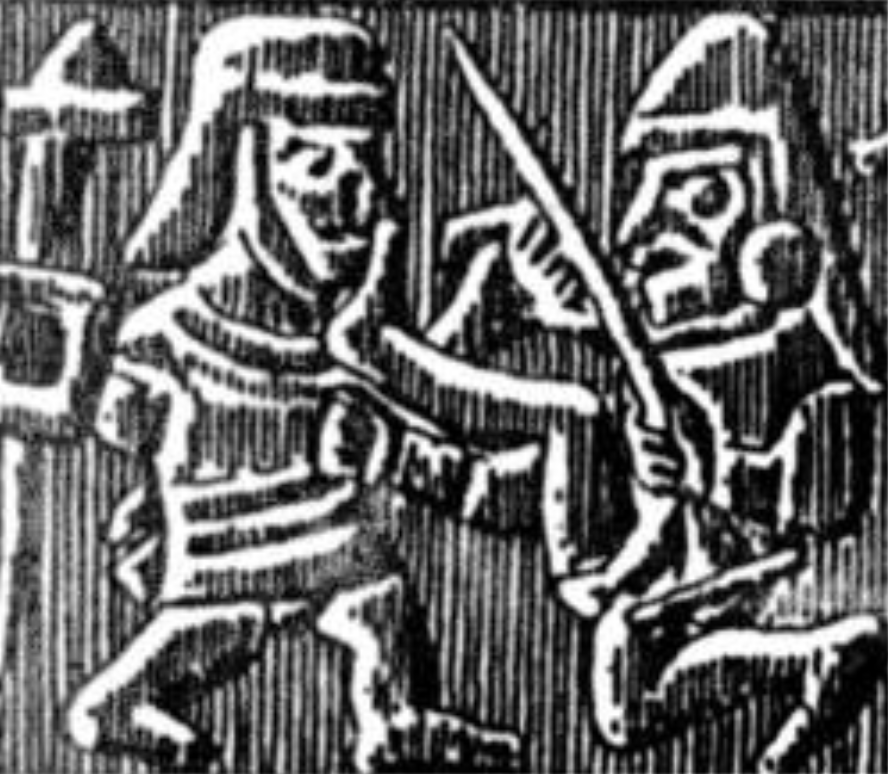
In 2005, I wrote a short piece on martial arts in pre-Columbian South America. It was written in response to a discovery by Agustín Seguí (1949–2023), who taught at Saarland University and headed the Spanish Department at the Institute of Applied Linguistics there. In 2003, he was the first to publish on what he described… Continue reading
-
A remarkable yearbook find: New light on an old photograph
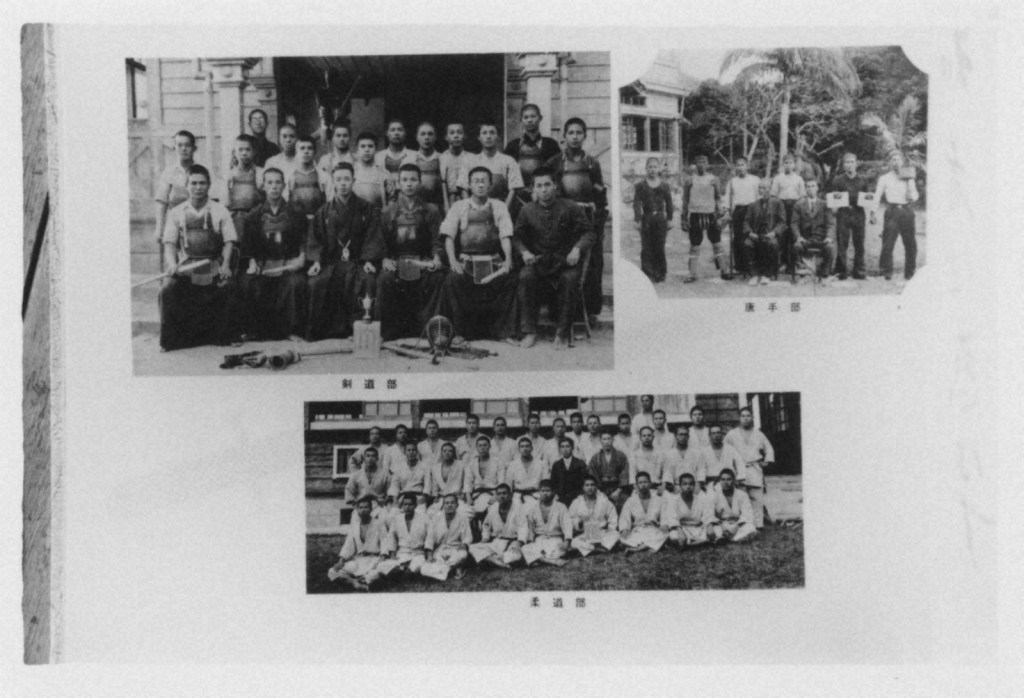
When Yabu Kentsū 屋部 憲通 (1866–1937) returned from his time in North America (1919–1927) in the late 1920s, he was again employed at the Okinawa Shihan Gakkō (Okinawa Normal School) in Shuri, located not far from his home. At that time, he was one of the most senior karate masters in Okinawa and as a… Continue reading
-
A previously overlooked manuscript (1936)

Handwritten historical sources on karate are exceedingly rare. Whenever one surfaces, it electrifies the karate world—especially the small circle of karate historians. One need only recall the unique book by Kyan Chōtoku (1870–1945), discovered some time ago, translated by Patrick McCarthy, and later made accessible as part of an anthology on the master in 2023.… Continue reading
-
Kosugi Hōan diary (1922)
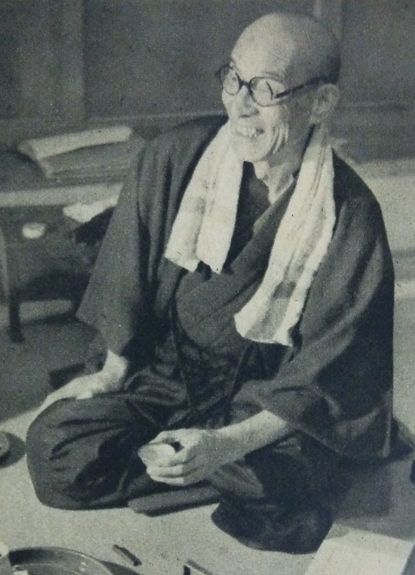
The artist Kosugi Hōan 小杉放庵 (born Kosugi Kunitarō, 1881–1964) was one of the first students of Funakoshi Gichin (1868–1957) on the mainland after the latter’s arrival in Tōkyō in 1922. We owe to him the cover design of Funakoshi’s first book, published in November 1922. Kosugi also left us an important account in the June 1930 issue… Continue reading
-
Correcting a case of mistaken identity
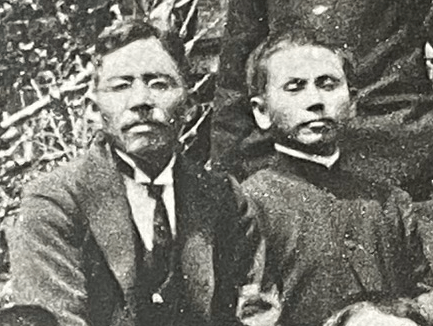
One of the key challenges in research is that one can sometimes follow the wrong path and arrive at incorrect conclusions. In karate historiography, prominent examples include the once-common theory that a weapons ban in Ryūkyū was the reason for the development of karate, and a group photo in which Itosu Ankō 糸洲安恒 (1831–1915) was… Continue reading
-
A linguistic glimpse into the martial arts of Fuzhou
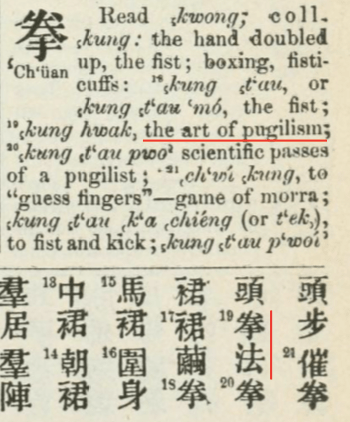
To gain deeper insights into the origins of karate, it is essential to look more closely toward China. Over the years, there has been continuous bilateral exchange among martial artists and groups. However, scholarly research—particularly the analysis of primary and secondary sources regarding cultural exchange between the Chinese Empire and the Ryūkyū Kingdom in relation… Continue reading
-
Karate footage from 1938/9
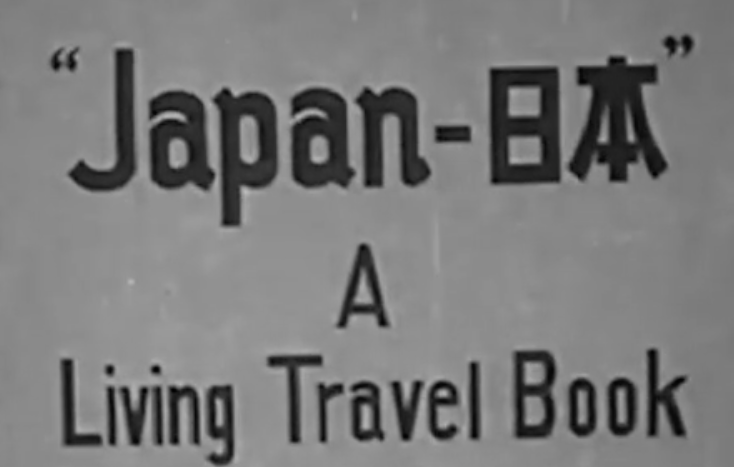
Recently, I came across the TV documentary Japan – A Living Travel Book. Sponsored by the Japan Society for International Cultural Relations, the film was likely produced in 1938 by James Farquharson Leys (1901–1999), a Canadian author, historian, and radio broadcaster. A Living Travel Book is a documentary that portrays Japan in the late 1930s. It offers… Continue reading
-
Karate in a propaganda film of 1945

Historical footage of karate is exceedingly rare. Nevertheless, there are indeed pre-World War II recordings that offer brief but valuable insights into karate as it existed in a particular place and time. One such example is the American propaganda film Know Your Enemy: Japan, which was released on August 9, 1945—shortly before the war’s end—and… Continue reading
-
Anecdote about “hidden warrior” Hanashiro Chōmo

Hanashiro Chōmo (1869–1945) played a significant role in the development of modern karate. Despite his importance, he remains underrepresented in historical discourse. Fortunately, several written sources preserve his legacy. I recently came across one such example in the 1997 publication 沖縄の昔面影 Okinawa no mukashi omokage (Remnants of Old Okinawa), in which the author, Kinjō Kazuhiko… Continue reading
-
The Crown Prince’s overseas tour diary (1924)
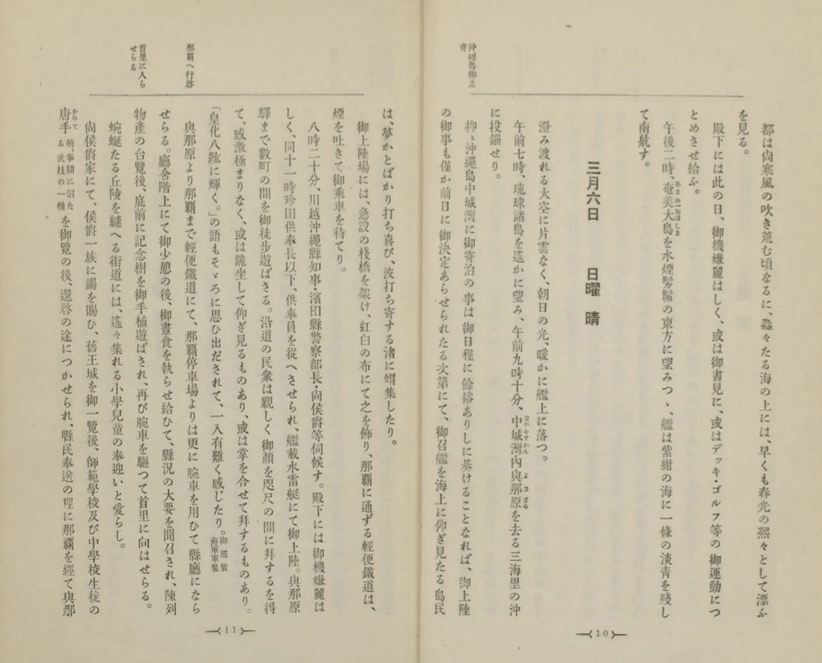
The visit of Japanese Crown Prince Hirohito 裕仁 (1901–1989) to Shuri marks a historically significant event, particularly remembered within the karate community. On 6 March 1921, His Highness attended a karate demonstration led by Funakoshi Gichin 船越義珍 (1868–1957). Though brief, the visit is documented through various scattered reports. Just two days later, on 8 March… Continue reading
 Investigations into the history of karate