Discovery
-
Kōdōkan karate “pioneer“ Iwabuchi Makoto
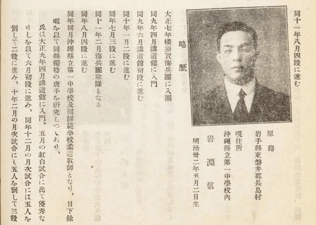
As early as August 1908, Kanō Jigorō 嘉納治五郎 (1860–1938), founder of the Kōdōkan, observed a group of Okinawan middle school students demonstrating karate during the Youth Bujutsu Exhibition at the Kyōto Butoku Kai. Several years later, in April 1911, he invited a small group of third-year students from the Okinawa Prefectural Normal School—then visiting Tōkyō—to perform their… Continue reading
-
Kyoda Jūhatsu’s teachings by Iraha Chōkō
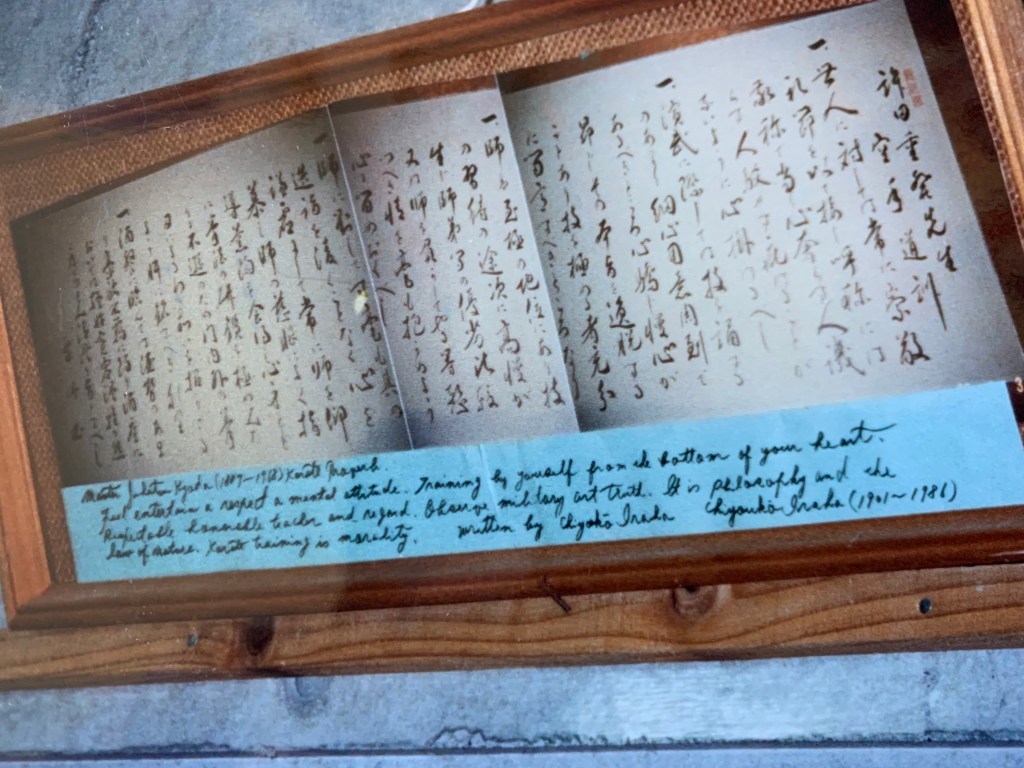
Iraha Chōkō 伊良波長幸 (1901–1986) is relatively unknown in the karate world. A few months ago, while researching another topic, I came across his memoirs, in which he also writes about karate and his relationship with Funakoshi Gichin (1868–1957). His memoirs are part of a series of several volumes published in Japan between 1980 and 1986.… Continue reading
-
Karate in 1916 Hawaiian newspaper – was it the first?
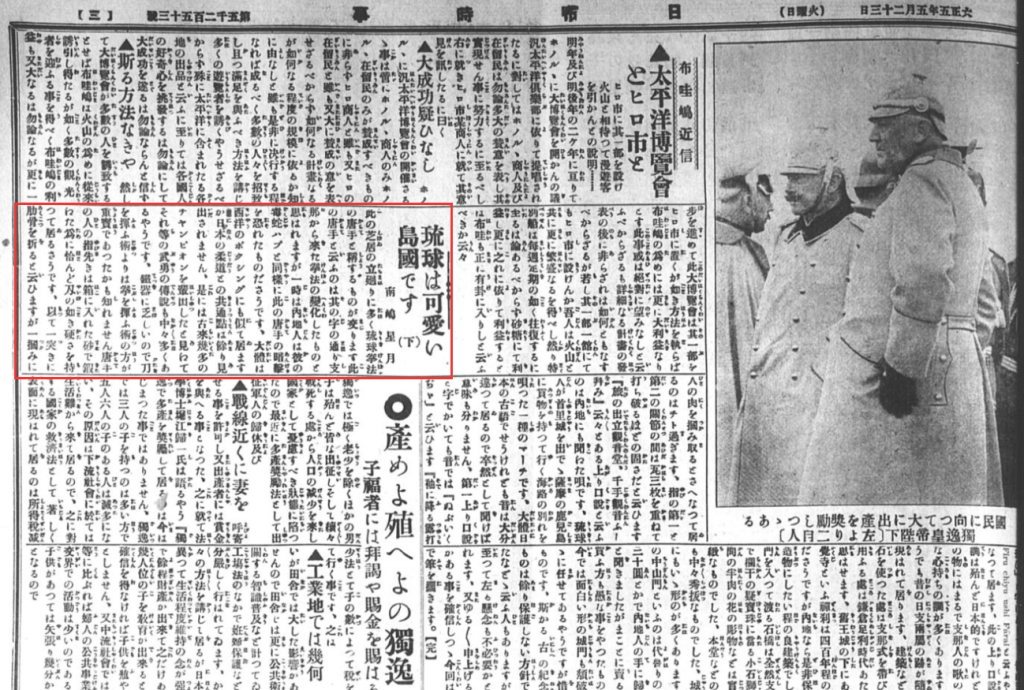
Before Yabu Kentsū (1866–1937) arrived in Hawaii in 1927, karate was already there. Although the aspect of karate in Okinawan immigrant communities overseas has not been sufficiently researched, there is some evidence (as presented by Bruce A. Haines and Charles C. Goodin in their respective studies). In their new home, the Okinawans not only talked… Continue reading
-
Yabu Kentsū enthusiastic about Napoleon’s words
Eyewitness accounts about Yabu Kentsū (1866–1937) are not so numerous and therefore very valuable. I recently read a short passage recorded by the linguist, folklorist, and pioneer of Okinawan studies Iha Fuyū 伊波普猷 (1876–1947), of whom the historian Higashionna Kanjun 東恩納寛惇 (1882–1963) once said that no one knows Okinawa more deeply. Iha recounts an incident… Continue reading
-
Group photograph with Hanashiro Chōmo
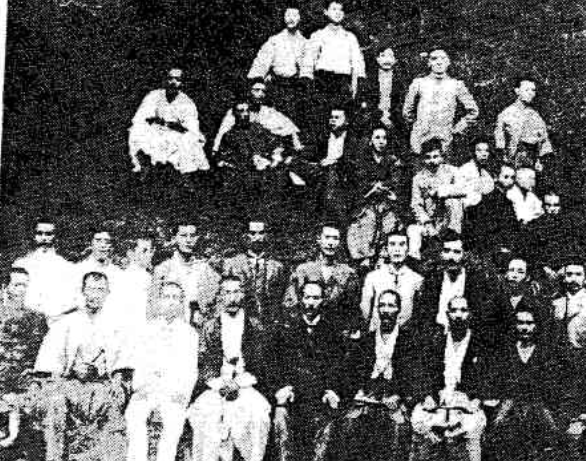
Yabu Kentsū (1866–1937) was a great fan and supporter of sumō in Okinawa. But he was not the only karate authority back in the days who was fascinated by the sport. Apart from Yabu, who occasionally acted as a referee at the Prefectural Sumō Tournament in Ônoyama Park, Funakoshi Gichin (1868–1957) is known to have… Continue reading
-
Article by Nakasone Genwa (1938)
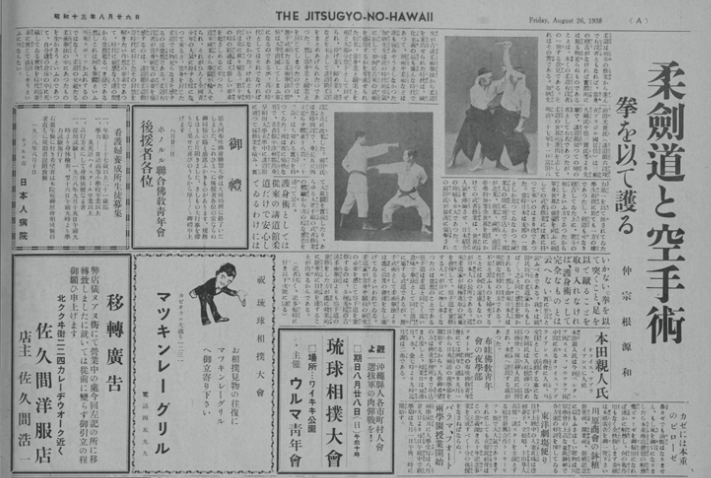
Nakasone Genwa 仲宗根源和 (1895–1978) was man of many talents. In his youth he studied karate briefly with Itosu Ankō 糸洲安恒 (1831–1915) at Shuri Middle School from which he graduated in 1913. Later he probably also was taught by Yabu Kentsū 屋部憲通 (1866–1937) at the Okinawa Normal School. Throughout the 1930s and early 1940s, he was… Continue reading
-
A note by Yabu Kentsū?
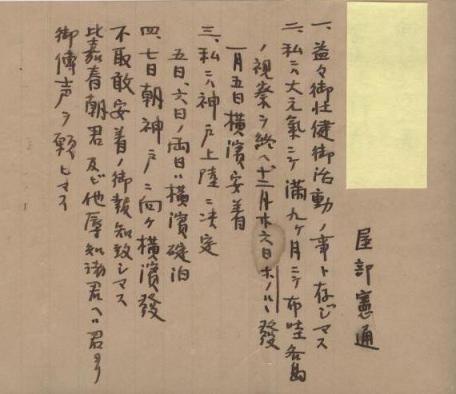
Written legacies of old karate masters are extremely rare. A note attributed to Yabu Kentsū 屋部憲通 (1866–1937) was shared by a well-known antique dealer from Okinawa. Here, Yabu is said to describe the route he took from Hawaii back to Okinawa in 1927. He may have recorded it for Miyagi Hisateru 久輝宮城 (1895–1991), a graduate… Continue reading
-
Taiwan Nichinichi (1921) on Hirohito’s stay in Shuri
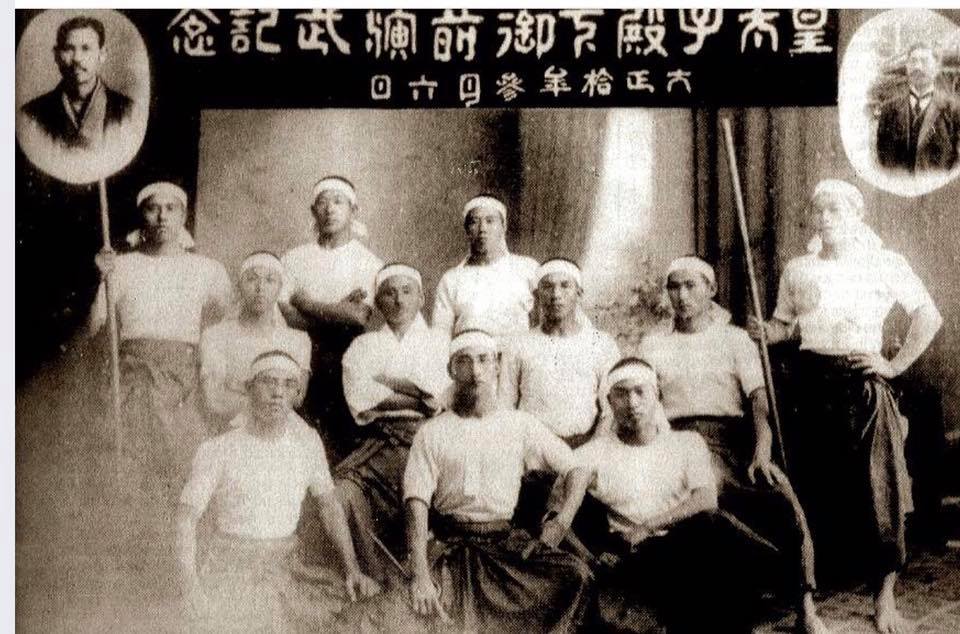
The karate demonstration led by Funakoshi Gichin 船越義珍 (1868–1957) during the visit of the Japanese Crown Prince Hirohitos 裕仁 (1901–1989) to Okinawa on March 6, 1921 is a much-cited event. Hirohito visited Shuri en route to Europe. After the visit the prince said that he had been much impressed by three things in Okinawa: the… Continue reading
-
“Kunpatte Sensei”
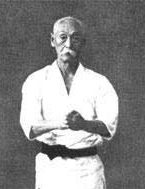
In the book Okinawa kenshi: Kakuron hen IV-V. Bunka (1965) 沖縄県史: 各論編 IV-V. 文化, there is a brief passage describing Hanashiro Chōmo 花城長茂 (1868–1945): 花城はふんばってというのをくんばる というところから、「クンパッテ先生」とあだ名がつけられていたよう一方 … Hanashiro was nicknamed “kunpatte sensei,” from the Japanese word “funbaru“ … The verb funbaru 踏ん張る can be translated as (1) to brace one’s legs; to stand firm; to… Continue reading
-
Physical examination of Ryūkyūan recruits
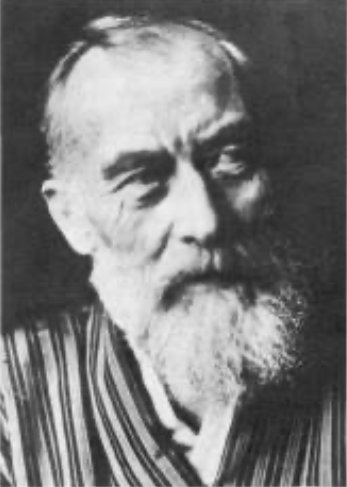
In 1911, German internist and anthropologist Erwin von Bälz (1849–1913) talked about the people from Ryūkyū, in whose “peculiarities” he was interested: “When I learned in 1899 that recruits from Riu-Kiu [sic] had been recruited in the southern garrisons, I asked the military authorities for permission, which they gladly granted, to study these people anthropologically.… Continue reading
 Investigations into the history of karate