Discovery
-
Weapon performances on the Yaeyama Islands

In the book 南島江戸時図誌 Nantō Edo toki-zu-shi [24] (1977) are several pieces of the 八重山風俗図 Yaeyama Fūzoku-zu, a collection of genre paintings from the end of the Ôfu period (15th century–1879). It is said that Nishi Tsuneo (西常央, 1848–1900), a native of Fukuoka who came to Okinawa in 1882 and held public offices in the… Continue reading
-
A poem by Funakoshi Gichin unearthed recently
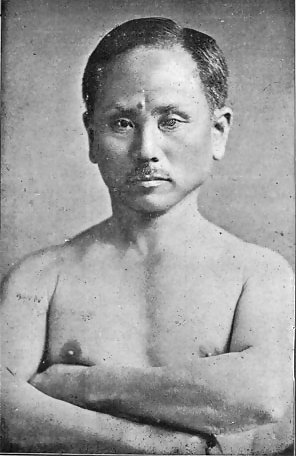
It was in 1922 that karate began to be popularized outside of Okinawa Prefecture by Funakoshi Gichin 船越義珍 (1868–1957). A hundred years have passed since then. In this context, the Okinawa Karate Academy on November 24, 2022 dedicated a lecture to Funakoshi’s time on Okinawa: 空手普及100年 一 船越義珍の足跡をたどる一 (100 Years of Karate Popularization: In the… Continue reading
-
Matsumora Kōsaku heroic tales
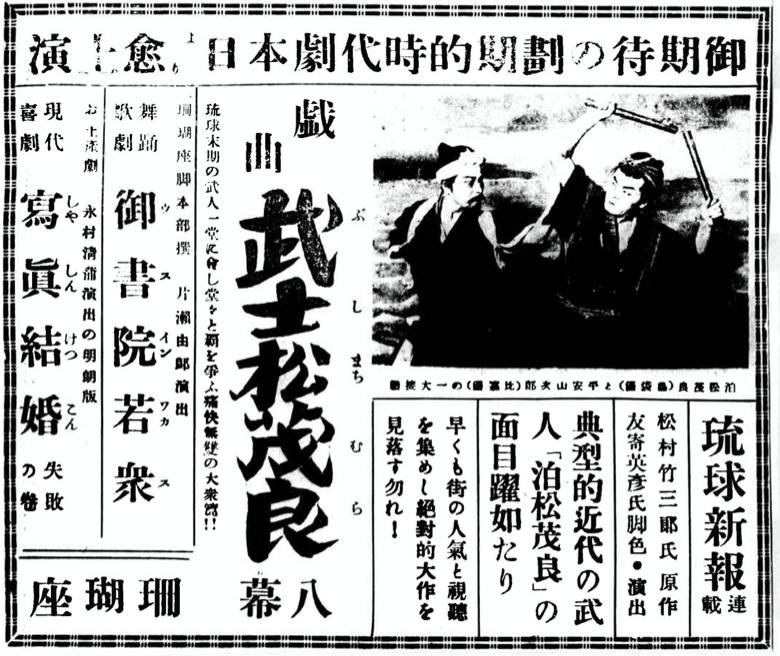
Matsumora Kōsaku 松茂良 興作 (1829–1898) was a famous Okinawan karate master from Tomari. Over the course of several months in 1938, his heroic tales were written down in a number of fictional short stories in the newspaper Ryūkyū Shimpō. Based on the stories also a stage play was set up which had been advertised in… Continue reading
-
Karate mentioned in a diary from 1911?
There is a certain fascination with early descriptions of the indigenous martial arts of Ryūkyū in Western literature. The overviews are numerous. In this context, we certainly think of the “boxer’s position of defense” mentioned by Basil Hall (1818), the “well-trained fighter” described by Ernest M. Satow (1873) who “can smash a large earthen water-jar,… Continue reading
-
Tracing the forgotten masters
Before World War II, thousands of people left the Ryūkyū Islands and emigrated overseas. The first wave of emigration was to Hawaii in the early 20th century, followed by a wave to various Pacific islands in the 1920s and several migrations to America. Although these emigration movements are fairly well researched, not much is known… Continue reading
-
Master Funakoshi 1937 in Korea

Funakoshi Gichin 船越義珍 (1868–1957) is known as the father of modern karatedō. In 1922, he left his home Okinawa for Tōkyō and demonstrated his karate at various occasions and eventually decided to devote his further life to spread the benefits of a lifelong karate training. His efforts were extensive. He wrote articles and books about… Continue reading
-
When did Funakoshi Gichin start training with his masters?
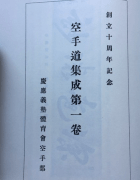
Funakoshi Gichin 船越義珍 (1868–1957) is an important source for research into the life and times of Itosu Ankō 糸洲安恒 (1831–1915). His publications contain numerous descriptions of Itosu’s activities. According to Funakoshi, he himself began learning karate from Itosu at a young age, probably as one of Itosu’s first students in Okinawa in the early 1880s.… Continue reading
-
Itosu-Tokashiki family connection
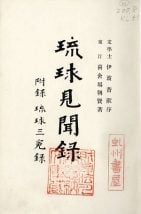
Yesterday, I could obtain an extract of the book Ryūkyū genbunroku 琉球見聞錄 originally written in 1914 by Kishaba Chōken 喜舎場朝賢 (1840–1916), a Ryūkyūan official at the end of the Ryūkyū Kingdom. In his book, he recorded the process of the abolishment of the Ryūkyū Kingdom (1879) from the Ryūkyūan point of view. Interestingly, in his… Continue reading
-
About Itosu’s occupation after 1879
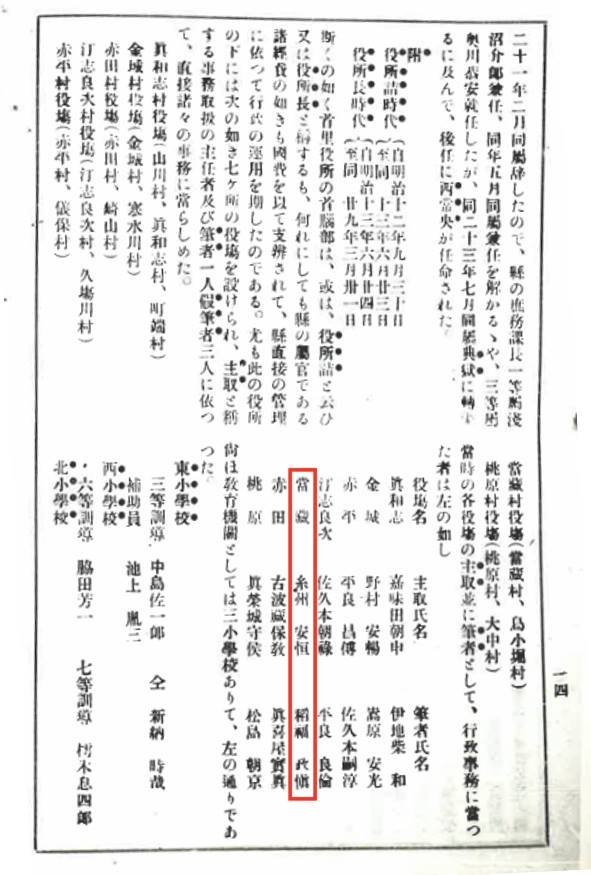
When the Ryūkyū Kingdom was abolished in 1879 and the islands were made Okinawa Prefecture by the Meiji government, Itosu Ankō’s work for the royal court came to an end. For a long time, it has been assumed that Itosu then retired and devoted his life entirely to his training and the passing on of… Continue reading
-
A poem by Itosu Ankō
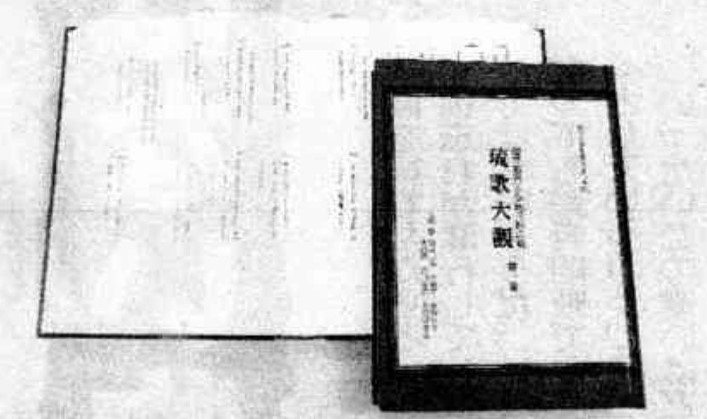
For many decades it has been believed that Itosu Ankō‘s letter (1908) had been the only writing preserved from the venerable master who died in 1915. Due to the strenuous efforts by the research team of the prefectural Karate Promotion Division, a poem written by Itosu Ankō 糸洲安恒 (1831-1915) has recently been found – a… Continue reading
 Investigations into the history of karate