-
Book review: The Seven Innermost Techniques of Toyama Kanken
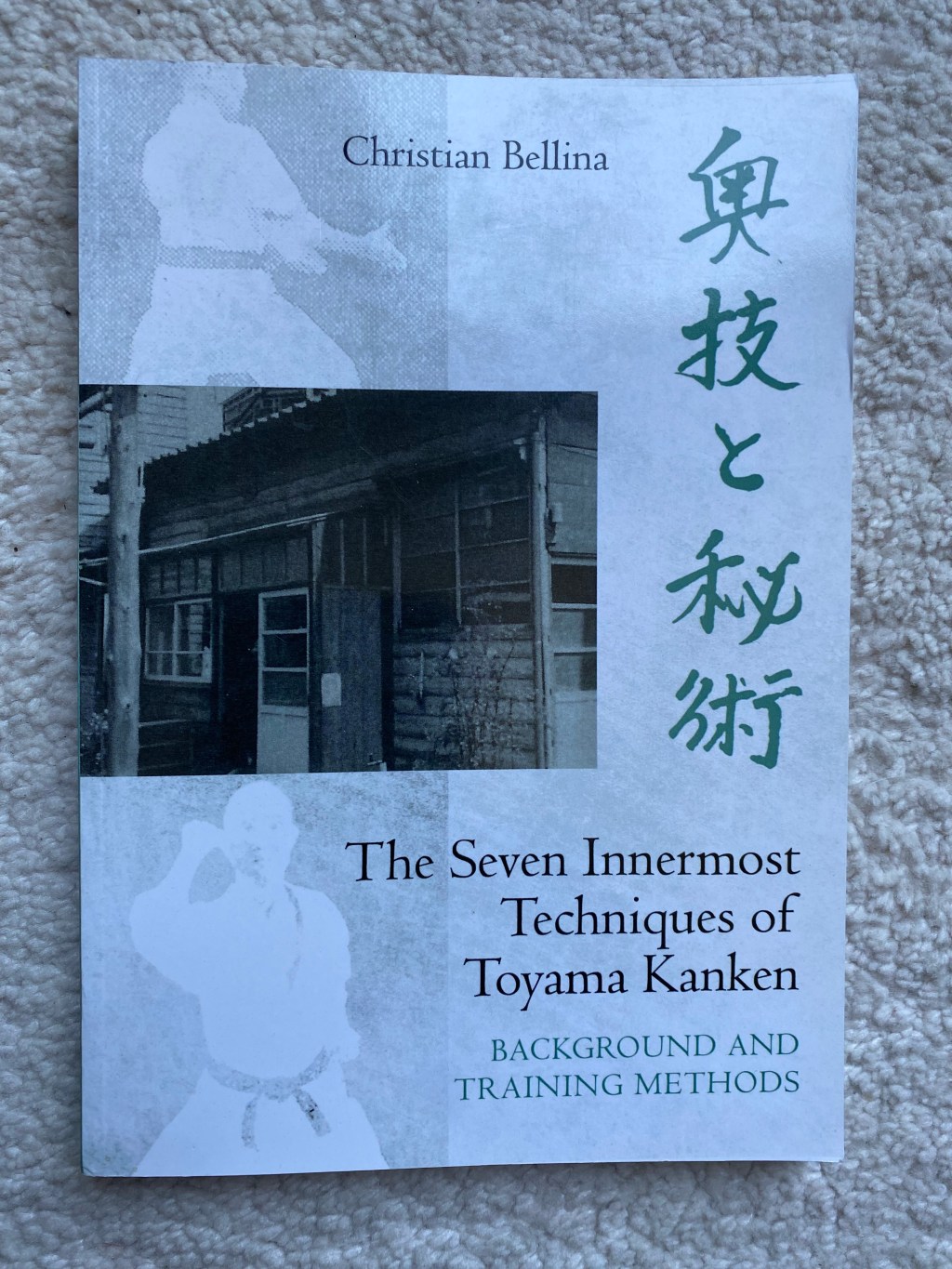
Tōyama Kanken (1888–1966) was a prominent figure in karate, having trained under masters such as Itosu Ankō (1831–1915) and Higaonna Kanryō (1853–1915). He founded the Shūdōkan dōjō in Tōkyō in 1930 and was instrumental in teaching and spreading karate in Japan. Despite his contributions, he remains less well known than contemporaries such as Funakoshi Gichin… Continue reading
-
The Crown Prince’s overseas tour diary (1924)
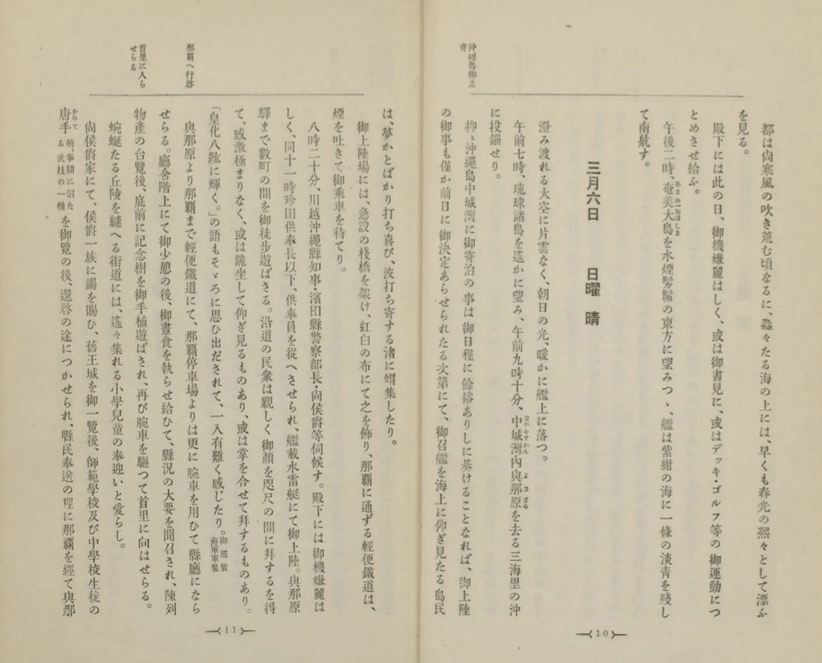
The visit of Japanese Crown Prince Hirohito 裕仁 (1901–1989) to Shuri marks a historically significant event, particularly remembered within the karate community. On 6 March 1921, His Highness attended a karate demonstration led by Funakoshi Gichin 船越義珍 (1868–1957). Though brief, the visit is documented through various scattered reports. Just two days later, on 8 March… Continue reading
-
Kōdōkan karate “pioneer“ Iwabuchi Makoto
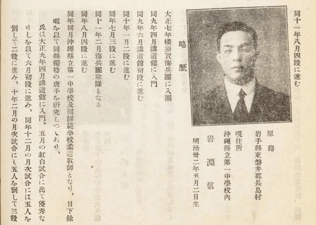
As early as August 1908, Kanō Jigorō 嘉納治五郎 (1860–1938), founder of the Kōdōkan, observed a group of Okinawan middle school students demonstrating karate during the Youth Bujutsu Exhibition at the Kyōto Butoku Kai. Several years later, in April 1911, he invited a small group of third-year students from the Okinawa Prefectural Normal School—then visiting Tōkyō—to perform their… Continue reading
-
Annotated bibliography of Funakoshi Gichin
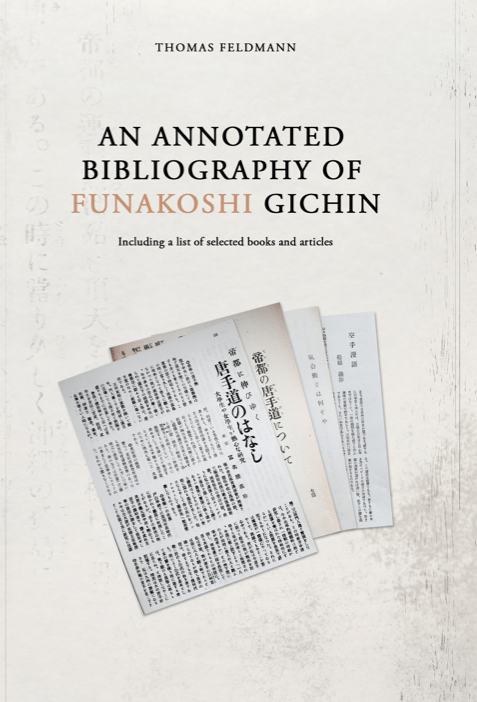
I am pleased that my new book is finally available: “An Annotated Bibliography of Funakoshi Gichin. Including a list of selected books and articles“ (Lulu, 2025). Considered by many to be the father of modern karatedō, Funakoshi Gichin (1868–1957) is undoubtedly one of the most important pioneers of modern karate, both as a martial art… Continue reading
-
Debunking karate myths
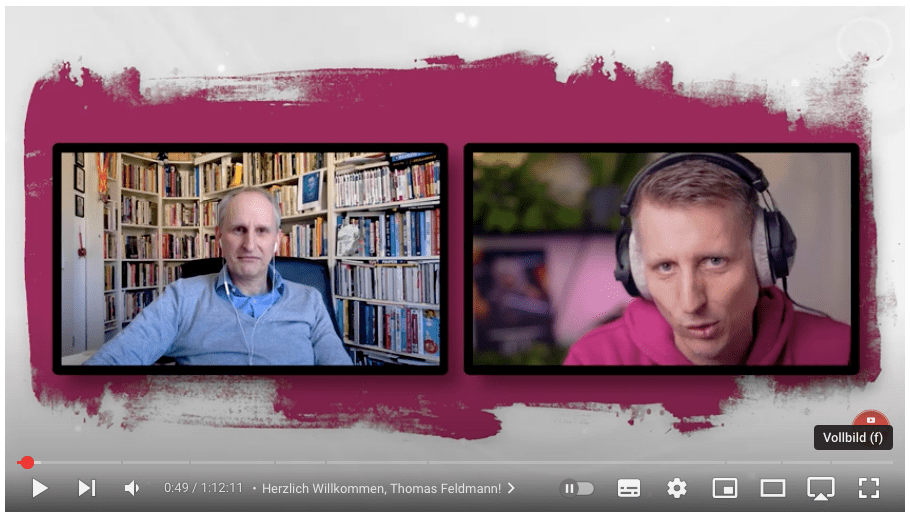
Ikigaido Karate is a German-language channel for karate in Switzerland, Germany and Austria. I was recently invited to debunk seven karate myths with Stephan Rickauer, ‘Chief Karate Officer’ and podcast host. A great format and an interesting experience. Stephan really did an excellent job. Keep up the good work! The recording is unfortunately only available… Continue reading
-
Book review: The Six-Attribute Model to define martial arts
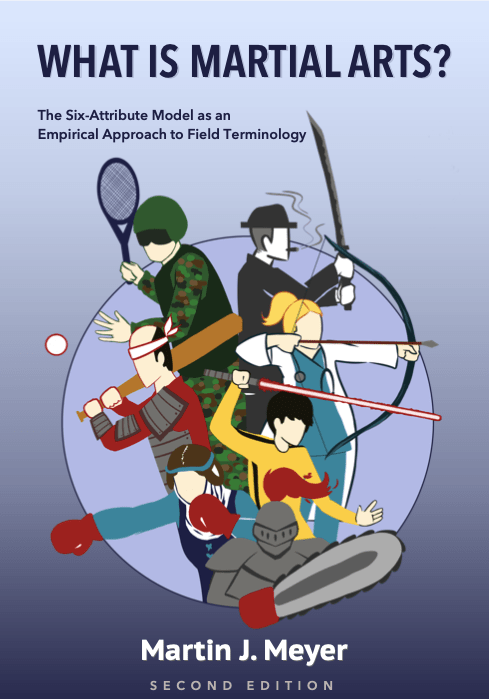
For the academic study of karate, it is also important to think outside the box. I always look to see what’s new on the market and what scholarly approach the authors have chosen for their research of other martial arts disciplines. What defines martial arts? Various authors have already investigated this question. At first glance,… Continue reading
-
Kyoda Jūhatsu’s teachings by Iraha Chōkō
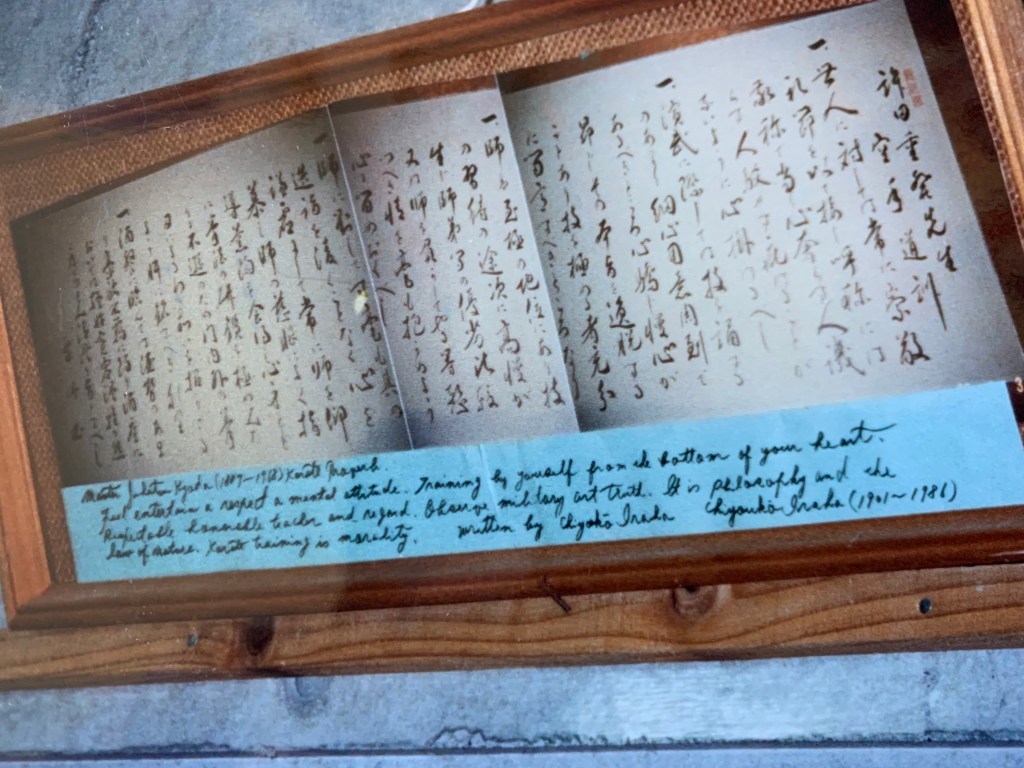
Iraha Chōkō 伊良波長幸 (1901–1986) is relatively unknown in the karate world. A few months ago, while researching another topic, I came across his memoirs, in which he also writes about karate and his relationship with Funakoshi Gichin (1868–1957). His memoirs are part of a series of several volumes published in Japan between 1980 and 1986.… Continue reading
-
Speaking about karate research
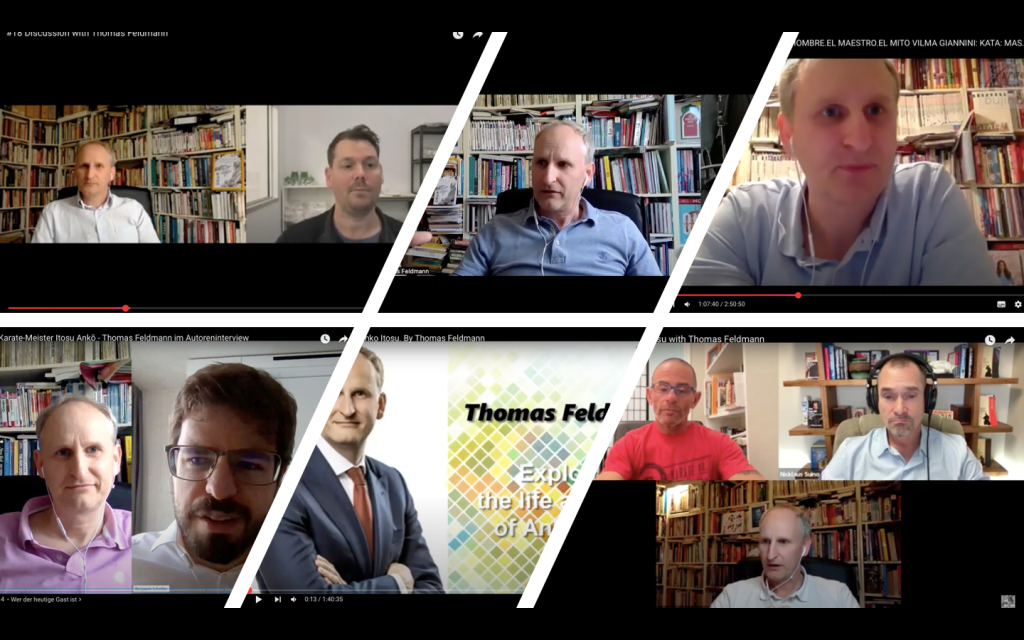
Over the past few years I have been invited to take part in a number of conversations about my passion for research and my work. Please find below a collection of the available recordings. With a click on the tiles directly to the clip. Continue reading
-
Karate in 1916 Hawaiian newspaper – was it the first?
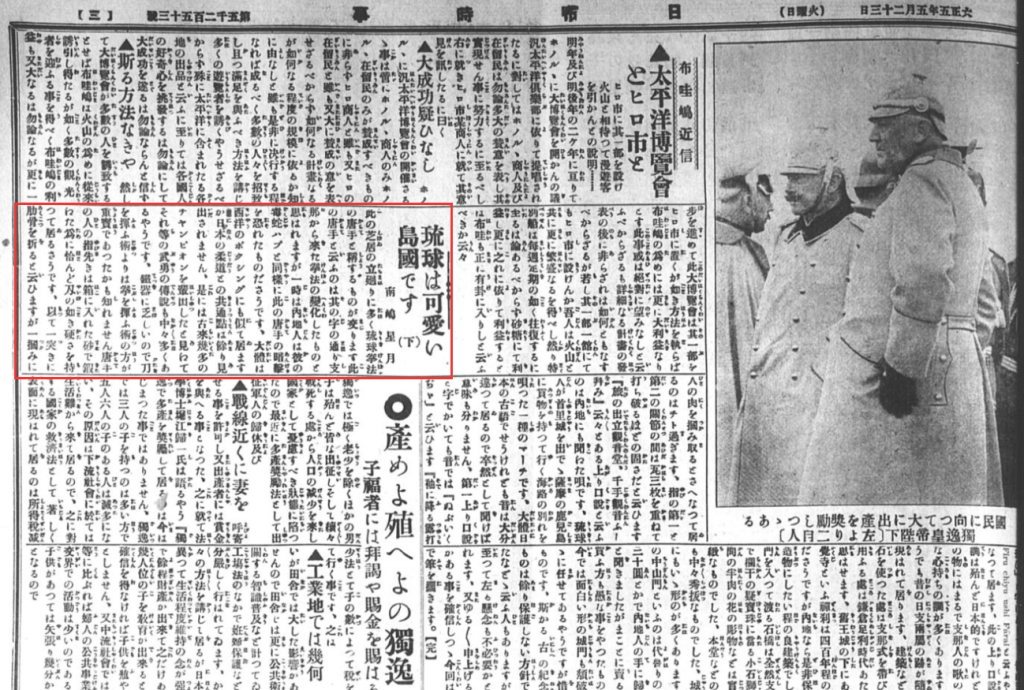
Before Yabu Kentsū (1866–1937) arrived in Hawaii in 1927, karate was already there. Although the aspect of karate in Okinawan immigrant communities overseas has not been sufficiently researched, there is some evidence (as presented by Bruce A. Haines and Charles C. Goodin in their respective studies). In their new home, the Okinawans not only talked… Continue reading
-
Young girls learn karate from Funakoshi Gichin
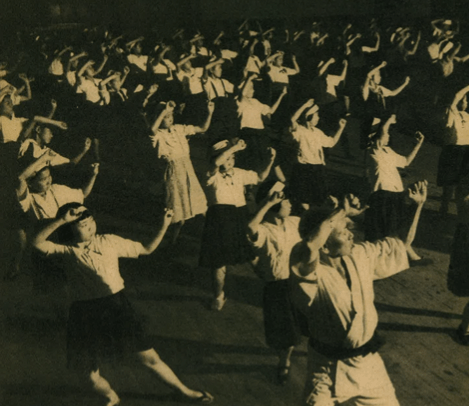
Asahi Graph (アサヒグラフ, Asahigurafu), also known as Asahi Picture News, was a Japanese weekly picture magazine that ran from 1923 to 2000. It began as a daily supplement from Asahi Shinbunsha, but became a weekly publication soon after. In the issue of 22 October 1941 (Vol. 37, No. 17) there is a short article about… Continue reading
-
Subscribe
Subscribed
Already have a WordPress.com account? Log in now.
 Investigations into the history of karate