Funakoshi Gichin
-
The 1927 photograph and the early misidentification of karate in Europe
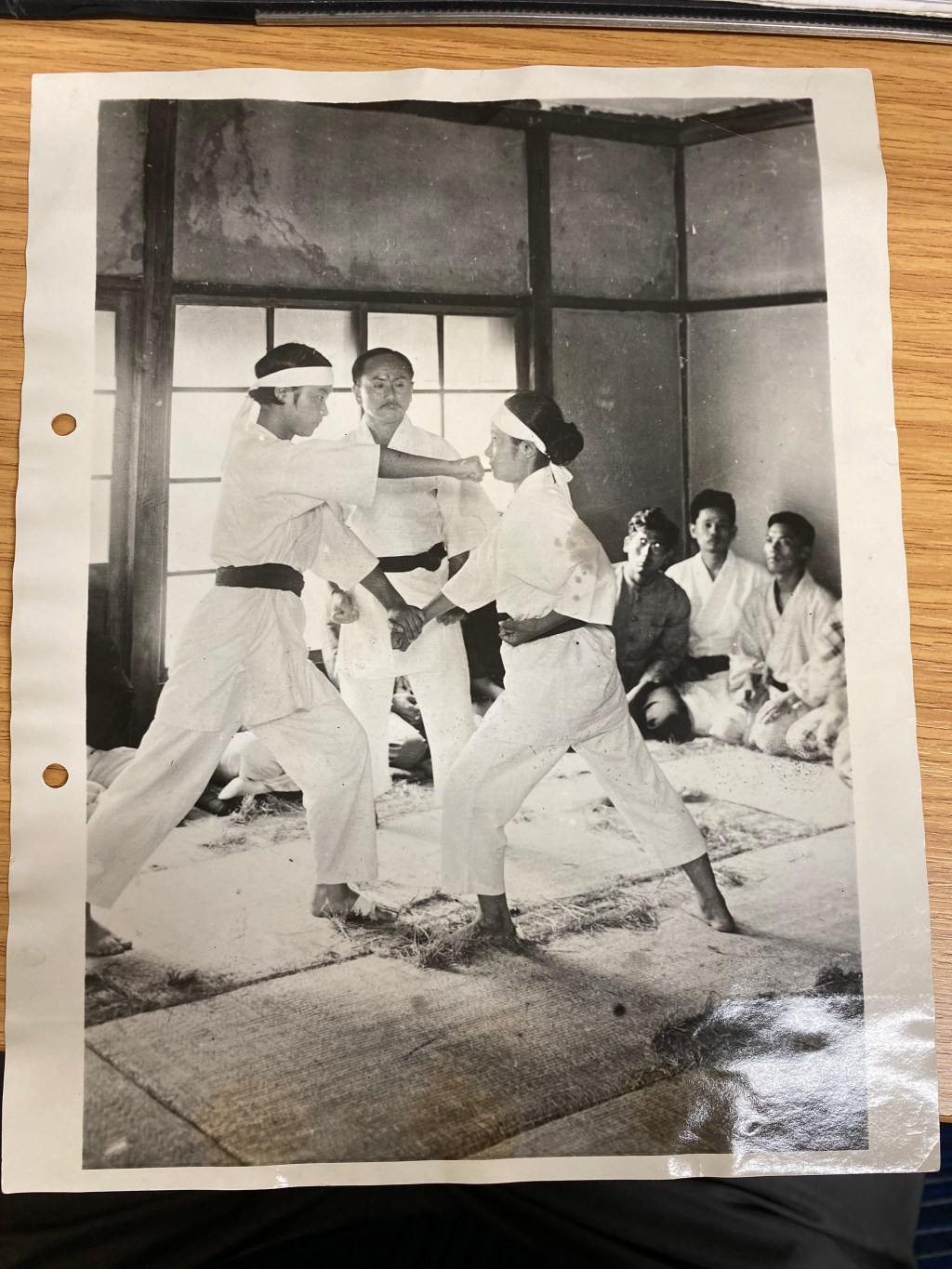
Knowledge about karate outside Japan before the end of the Second World War was extremely limited. Apart from a few early mentions in Western publications—such as those by Ernest Satow in 1872/3 and William Furness in 1899—information about the art remained scarce. There were, however, occasional points of contact. Overseas Okinawan communities, for example in… Continue reading
-
Investigations, Volume 2 available now
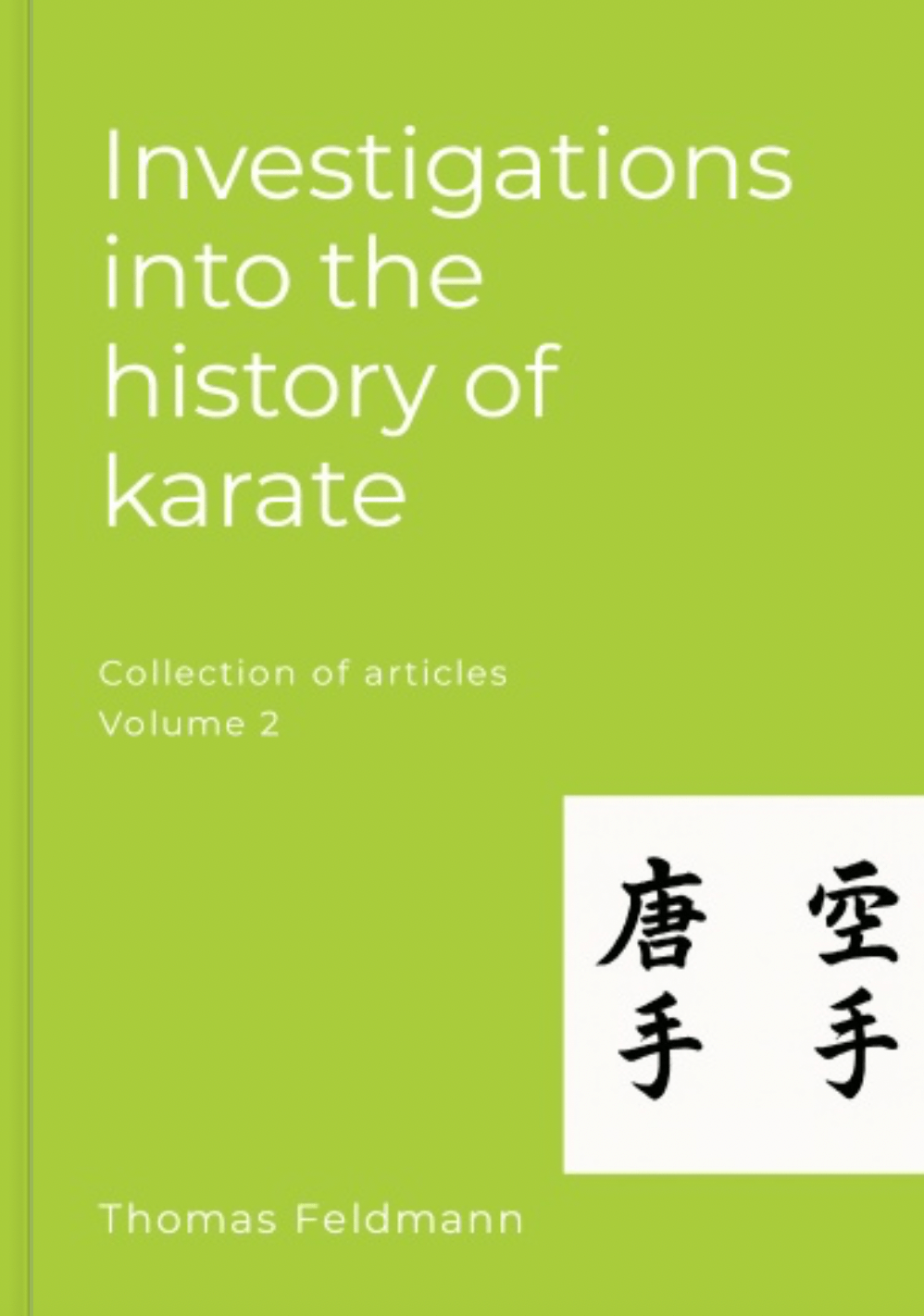
Volume 2 of “Investigations into the history of karate” is available now. Based on this blog, the book traces a range of historical contexts in which karate surfaces, from everyday settings such as plantations in Hawaiʻi around 1900 and personal diary entries from the early twentieth century. Other contributions draw on visual and textual sources,… Continue reading
-
Bringing Funakoshi Gigō’s thoughts to English readers for the first time
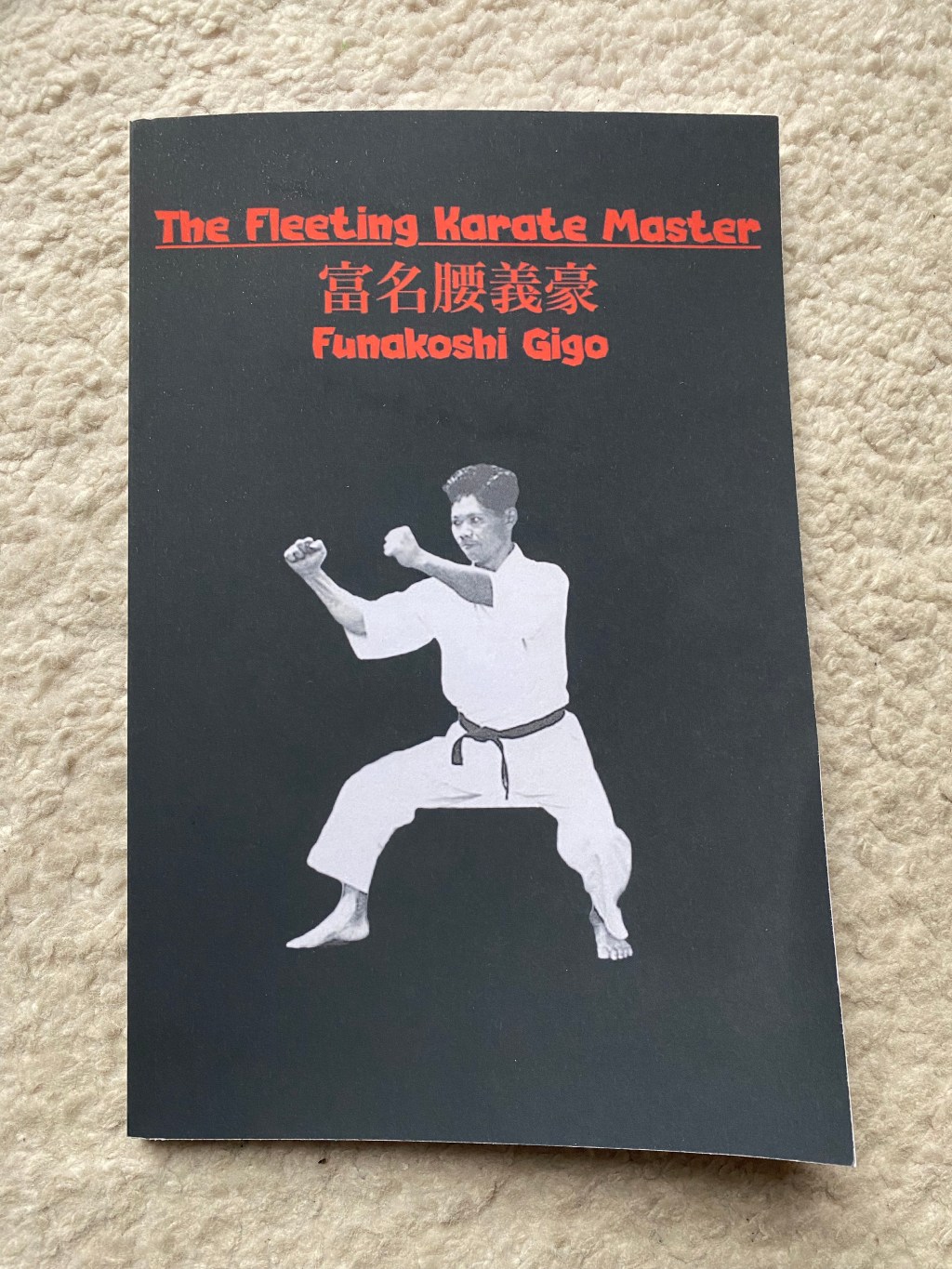
Eric Shahan, a highly accomplished translator known for his numerous English editions of classic Japanese martial arts texts—from ninjutsu and jūjutsu treatises to seminal karate works by masters such as Mabuni Kenwa and Motobu Chōki—once again delivers a remarkable contribution to the study of traditional martial arts. With The Fleeting Karate Master: Funakoshi Gigō, his… Continue reading
-
Kosugi Hōan diary (1922)
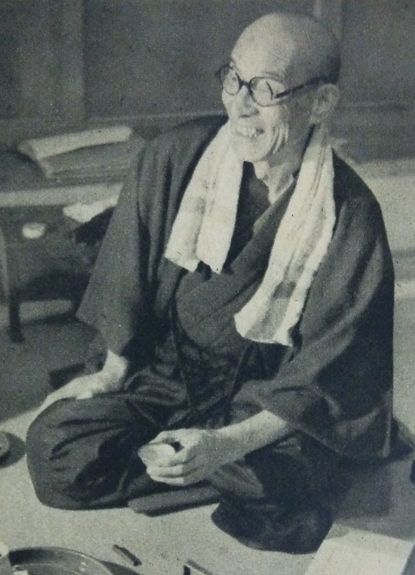
The artist Kosugi Hōan 小杉放庵 (born Kosugi Kunitarō, 1881–1964) was one of the first students of Funakoshi Gichin (1868–1957) on the mainland after the latter’s arrival in Tōkyō in 1922. We owe to him the cover design of Funakoshi’s first book, published in November 1922. Kosugi also left us an important account in the June 1930 issue… Continue reading
-
Correcting a case of mistaken identity
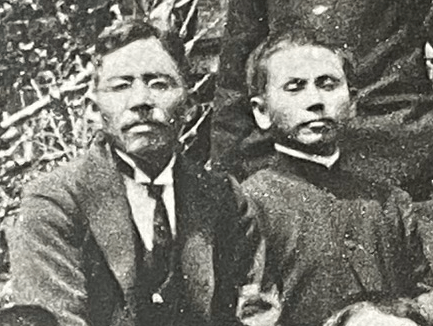
One of the key challenges in research is that one can sometimes follow the wrong path and arrive at incorrect conclusions. In karate historiography, prominent examples include the once-common theory that a weapons ban in Ryūkyū was the reason for the development of karate, and a group photo in which Itosu Ankō 糸洲安恒 (1831–1915) was… Continue reading
-
The blog as a book

Karate’s history is richer and more complex than popular narratives often suggest. Based on this blog, Investigations into the history of karate (Lulu, 2025) brings together a diverse collection of essays that explore the art’s overlooked figures, pivotal moments, and forgotten contexts. From the pioneers of Hanashiro Chōmo and Yabu Kentsū to the appearance of karate… Continue reading
-
When Kōdōkan integrated karate into its curriculum

Kanō Jigorō (嘉納治五郎, 1860–1938) undertook a visit to Okinawa and Kyūshū in 1927. Although no photographs of the trip are known to exist today—indeed, the Kōdōkan Archives has no record of any—it was prominently documented in the Kōdōkan publication Sakkō, No. 3 (1927), which featured a detailed account of Kanō’s stay. Interestingly, just two issues… Continue reading
-
Anecdote about “hidden warrior” Hanashiro Chōmo

Hanashiro Chōmo (1869–1945) played a significant role in the development of modern karate. Despite his importance, he remains underrepresented in historical discourse. Fortunately, several written sources preserve his legacy. I recently came across one such example in the 1997 publication 沖縄の昔面影 Okinawa no mukashi omokage (Remnants of Old Okinawa), in which the author, Kinjō Kazuhiko… Continue reading
-
The Crown Prince’s overseas tour diary (1924)
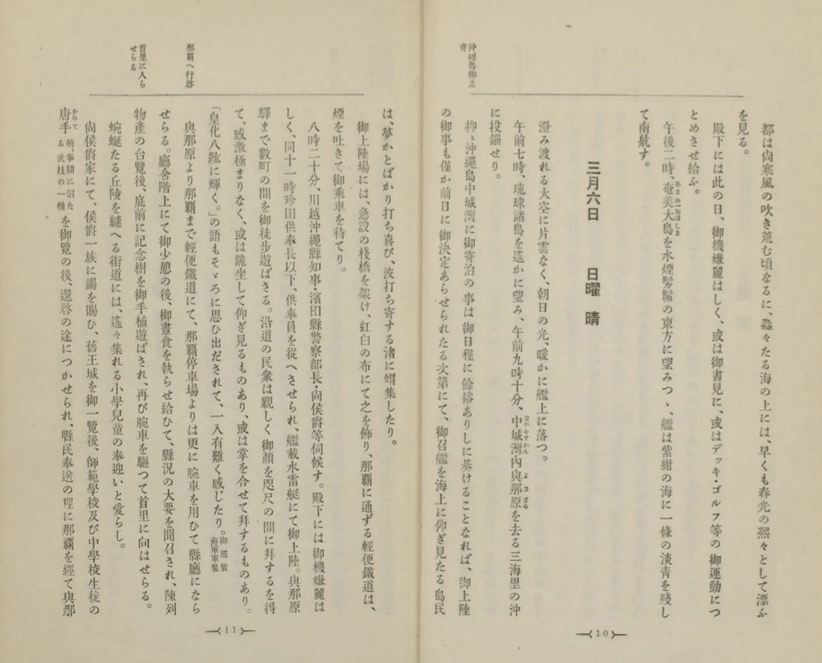
The visit of Japanese Crown Prince Hirohito 裕仁 (1901–1989) to Shuri marks a historically significant event, particularly remembered within the karate community. On 6 March 1921, His Highness attended a karate demonstration led by Funakoshi Gichin 船越義珍 (1868–1957). Though brief, the visit is documented through various scattered reports. Just two days later, on 8 March… Continue reading
-
Kōdōkan karate “pioneer“ Iwabuchi Makoto
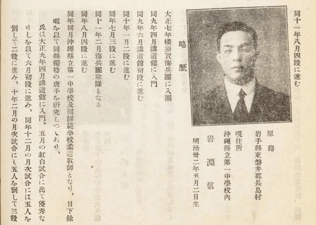
As early as August 1908, Kanō Jigorō 嘉納治五郎 (1860–1938), founder of the Kōdōkan, observed a group of Okinawan middle school students demonstrating karate during the Youth Bujutsu Exhibition at the Kyōto Butoku Kai. Several years later, in April 1911, he invited a small group of third-year students from the Okinawa Prefectural Normal School—then visiting Tōkyō—to perform their… Continue reading
 Investigations into the history of karate