Itosu Anko
-
Investigations, Volume 2 available now
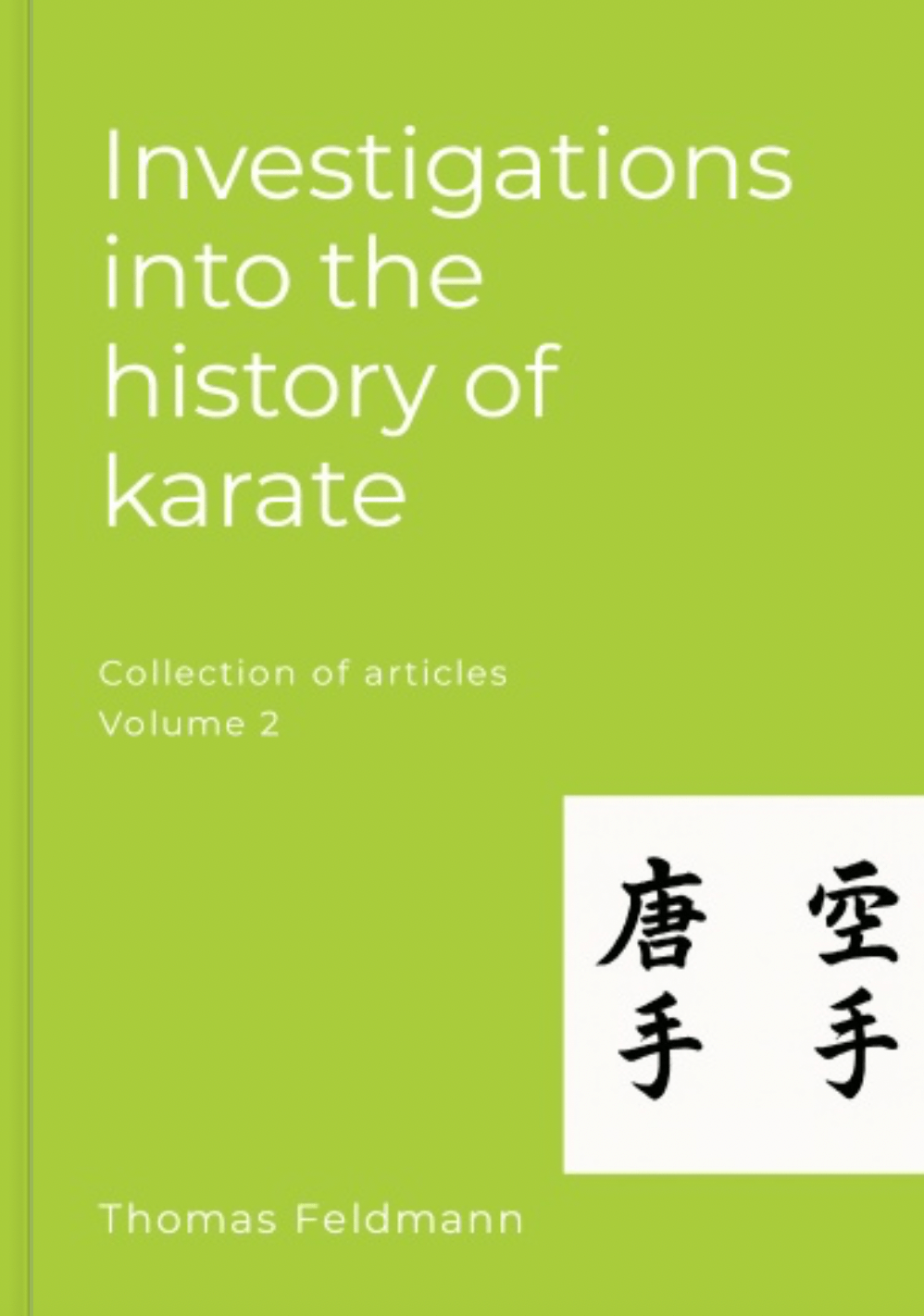
Volume 2 of “Investigations into the history of karate” is available now. Based on this blog, the book traces a range of historical contexts in which karate surfaces, from everyday settings such as plantations in Hawaiʻi around 1900 and personal diary entries from the early twentieth century. Other contributions draw on visual and textual sources,… Continue reading
-
Correcting a case of mistaken identity
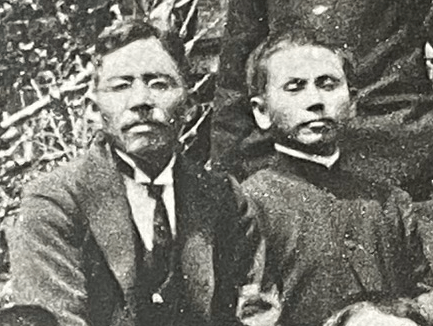
One of the key challenges in research is that one can sometimes follow the wrong path and arrive at incorrect conclusions. In karate historiography, prominent examples include the once-common theory that a weapons ban in Ryūkyū was the reason for the development of karate, and a group photo in which Itosu Ankō 糸洲安恒 (1831–1915) was… Continue reading
-
The blog as a book

Karate’s history is richer and more complex than popular narratives often suggest. Based on this blog, Investigations into the history of karate (Lulu, 2025) brings together a diverse collection of essays that explore the art’s overlooked figures, pivotal moments, and forgotten contexts. From the pioneers of Hanashiro Chōmo and Yabu Kentsū to the appearance of karate… Continue reading
-
Speaking about karate research
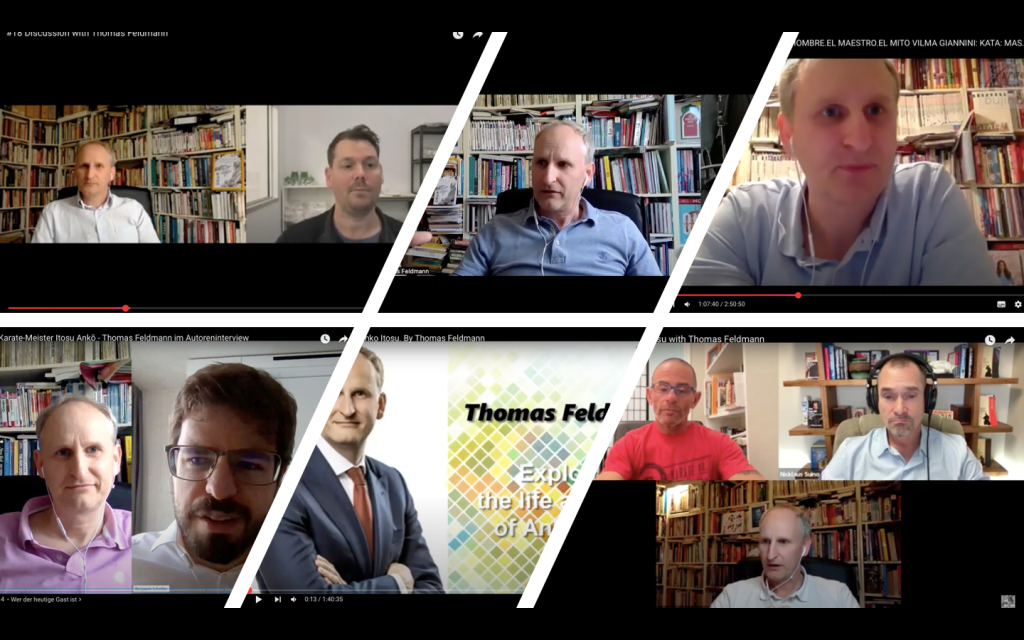
Over the past few years I have been invited to take part in a number of conversations about my passion for research and my work. Please find below a collection of the available recordings. With a click on the tiles directly to the clip. Continue reading
-
Bulls and rams in karate folklore
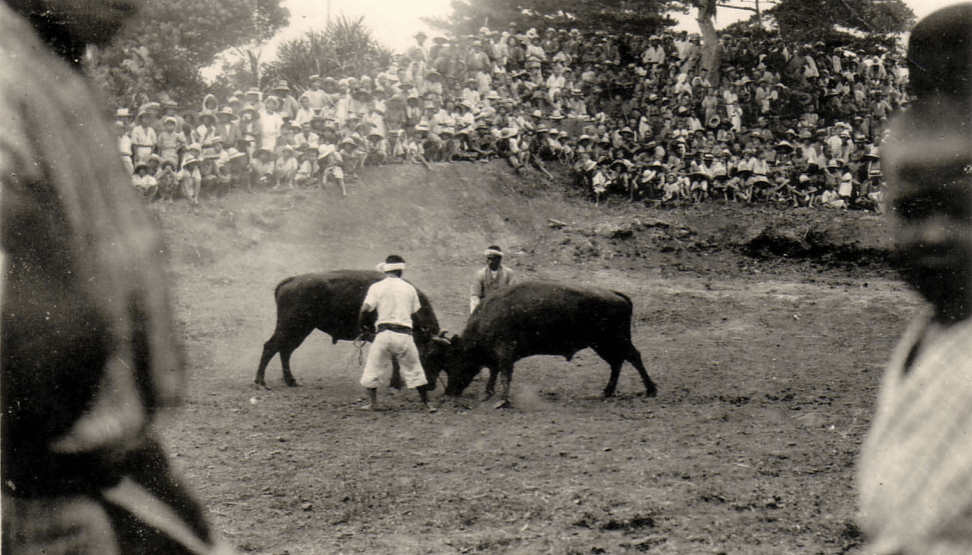
Stories about animals have always played an important role in folklore. In the world of karate, the bull is the subject of many anecdotes. The bull is a very powerful animal. A form of bullfighting, in which peasants pitted bulls against each other for fun, is said to date back at least to the 12th… Continue reading
-
Itosu Ankō medical history
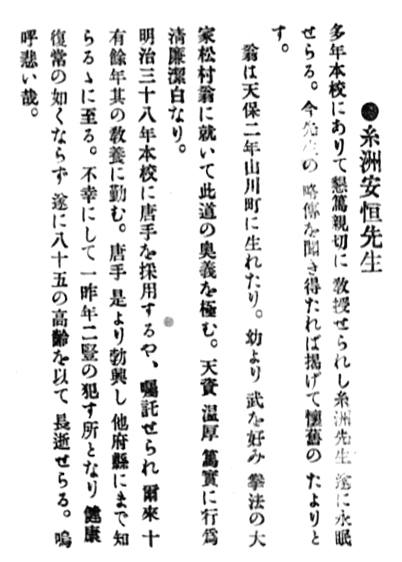
For my book Ankō Itosu: The Man. The Master. The Myth (2021), I had a medical specialist evaluate the health of Itosu Ankō 糸洲安恒 (1831-1915) in his last 2–3 years. For this task based on my research, I prepared a brief profile and an anamnesis of Itosu. ———– Profile: Name: Itosu Ankō Gender: male Born:… Continue reading
-
Analysis of Itosu’s letter in Hungarian academic magazine
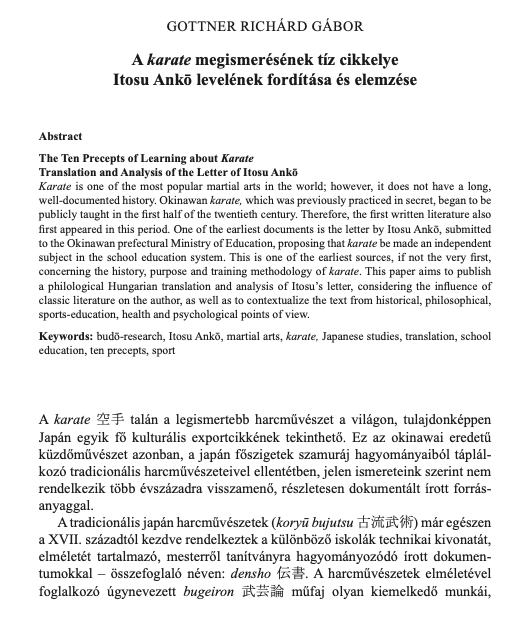
There is a very interesting article about Itosu Ankō’s 糸洲安恒 (1831-1915) 1908 letter also known as the “Ten Lessons of Itosu” 糸洲十訓 (Itosu jūkun). For the Hungarian academic magazine Távol-keleti Tanulmányok (Journal of East Asian Cultures) the author Gábor Richárd Gottner (Master’s degree in Japanese Studies and member of the Japanese Studies Doctoral Programme of the Eötvös… Continue reading
-
Tracing the forgotten masters
Before World War II, thousands of people left the Ryūkyū Islands and emigrated overseas. The first wave of emigration was to Hawaii in the early 20th century, followed by a wave to various Pacific islands in the 1920s and several migrations to America. Although these emigration movements are fairly well researched, not much is known… Continue reading
-
Articles on unveiling of the Itosu monument in 1964
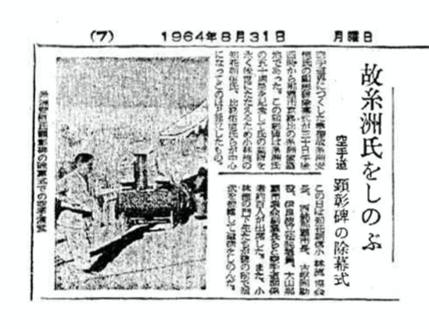
On May 30, 1964, Master Chibana Chōshin 知花朝信 (1885–1969) and adoptive grandson Itosu Angō 糸洲安剛 (1915–1996) gathered family, friends, karateka and officials to remember Itosu Ankō 糸洲安恒 (1831–1915). Very close to his burying place in Furushima 古島 in Mawashi, a stone monument was unveiled to commemorate the venerable master. On that occasion, speeches were held… Continue reading
-
When did Funakoshi Gichin start training with his masters?
Funakoshi Gichin 船越義珍 (1868–1957) is an important source for research into the life and times of Itosu Ankō 糸洲安恒 (1831–1915). His publications contain numerous descriptions of Itosu’s activities. According to Funakoshi, he himself began learning karate from Itosu at a young age, probably as one of Itosu’s first students in Okinawa in the early 1880s.… Continue reading
 Investigations into the history of karate