Okinawa
-
Investigations, Volume 2 available now
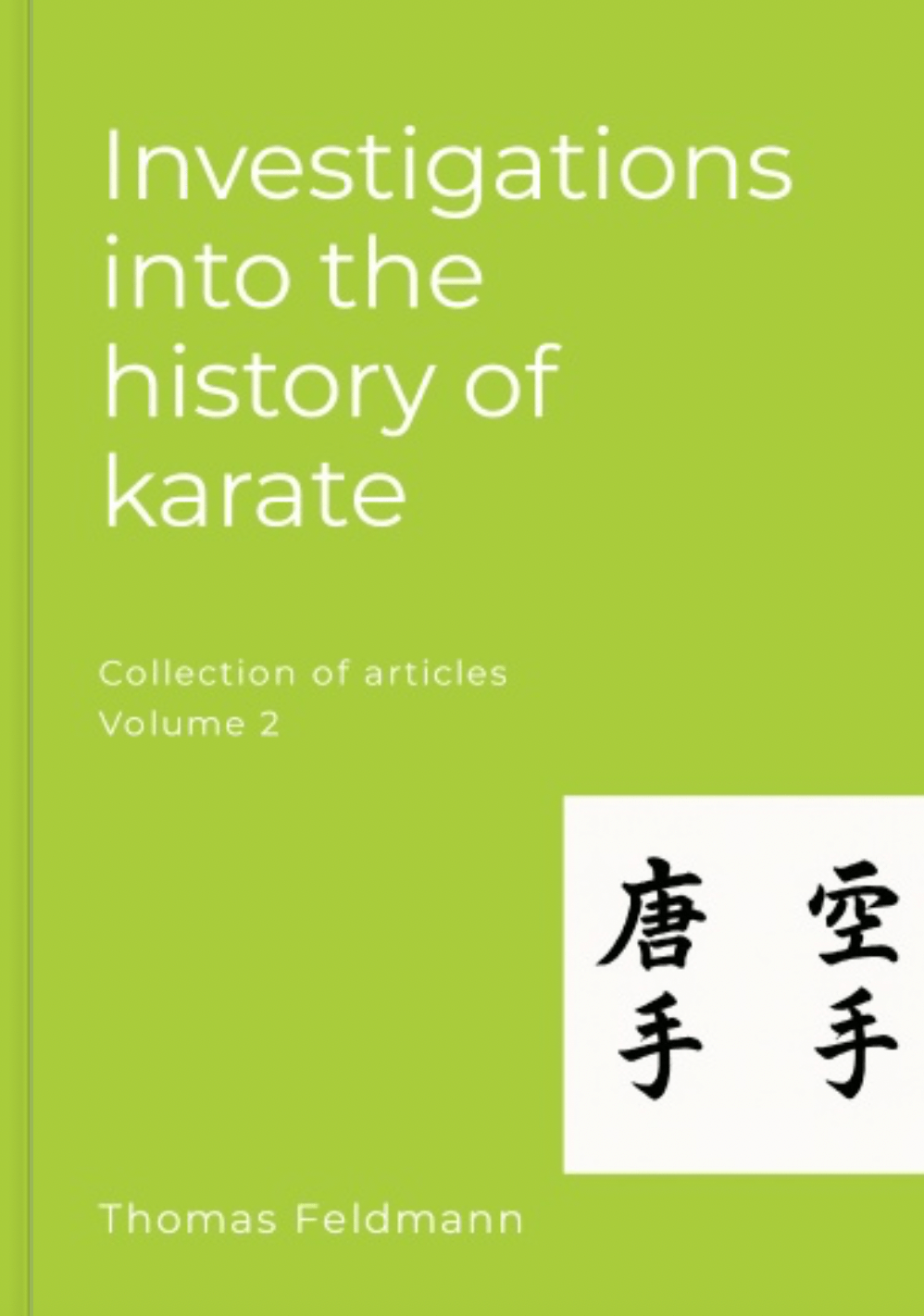
Volume 2 of “Investigations into the history of karate” is available now. Based on this blog, the book traces a range of historical contexts in which karate surfaces, from everyday settings such as plantations in Hawaiʻi around 1900 and personal diary entries from the early twentieth century. Other contributions draw on visual and textual sources,… Continue reading
-
Book about Izumikawa karate lineage published
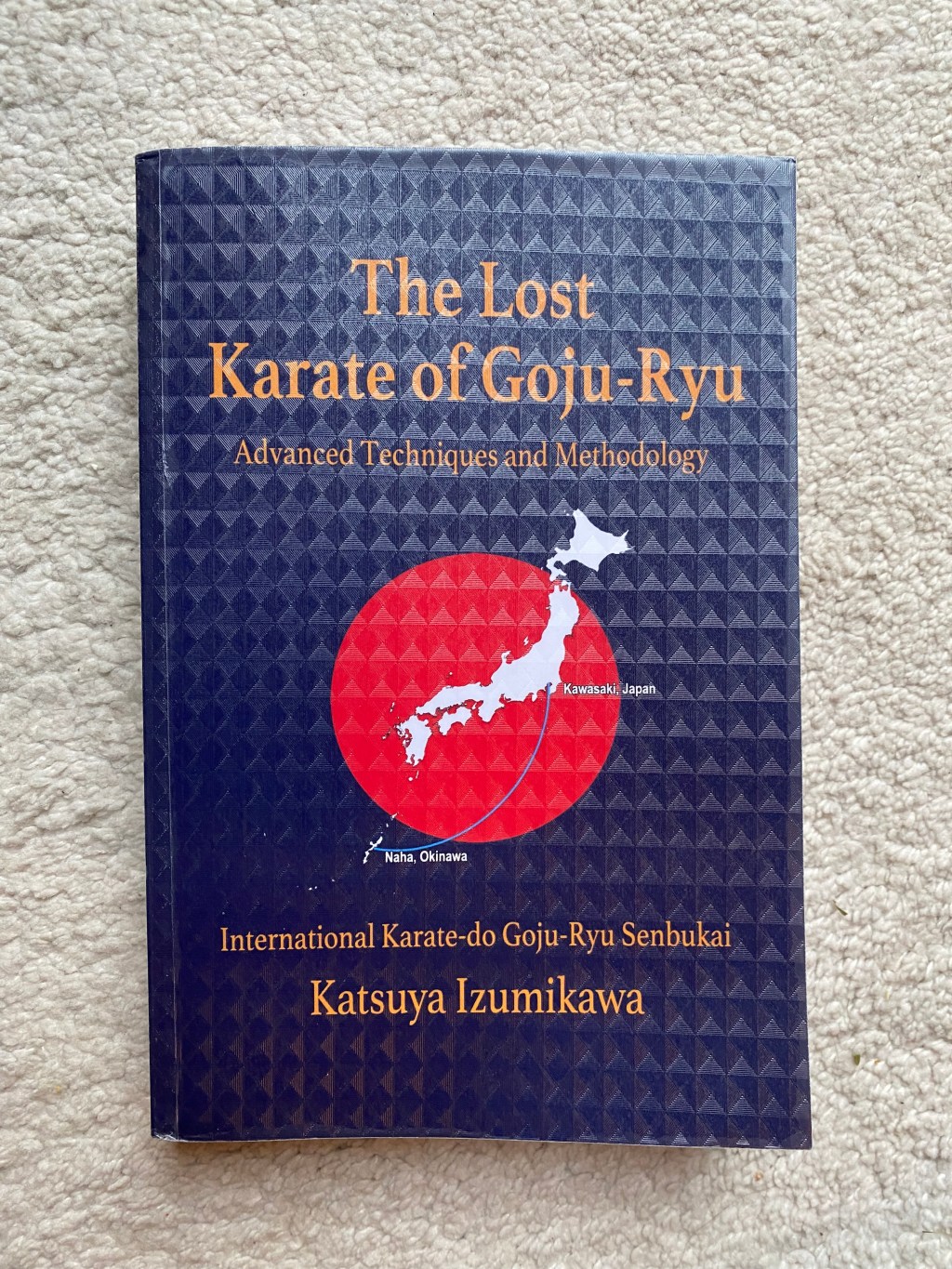
Last week, I received a personal copy of The Lost Karate Goju-ryū: Advanced Techniques and Methodology by Izumikawa Katsuya 泉川勝也. Izumikawa is the son of Izumikawa Kanki 泉川寛喜 (1908– 1967), the founder of Senbukai, who relocated from Okinawa to the Japanese mainland and established his dōjō in Kawasaki in 1939—the first Goju-ryū school on the… Continue reading
-
Remembering Miyagi Chōjun: A conversation with his grandson on the Chōjunkan project
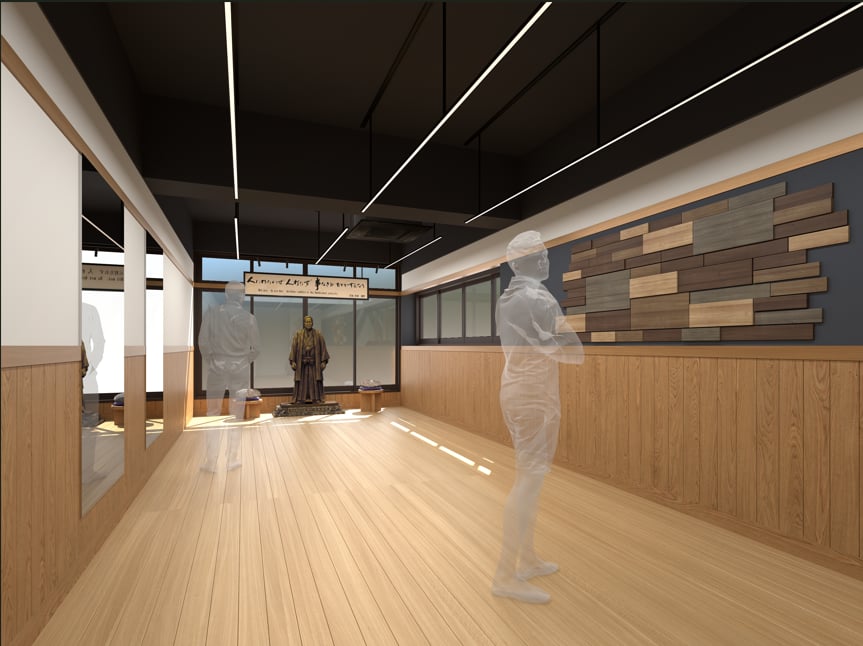
Okinawa is the island of karate. It may sound like a marketing slogan, but it is simply true. The island is home to hundreds of karate dōjō; every year, countless visitors travel to Japan’s southernmost prefecture to explore the birthplace of karate and kobudō, to train, and to immerse themselves in the history of the… Continue reading
-
A remarkable yearbook find: New light on an old photograph
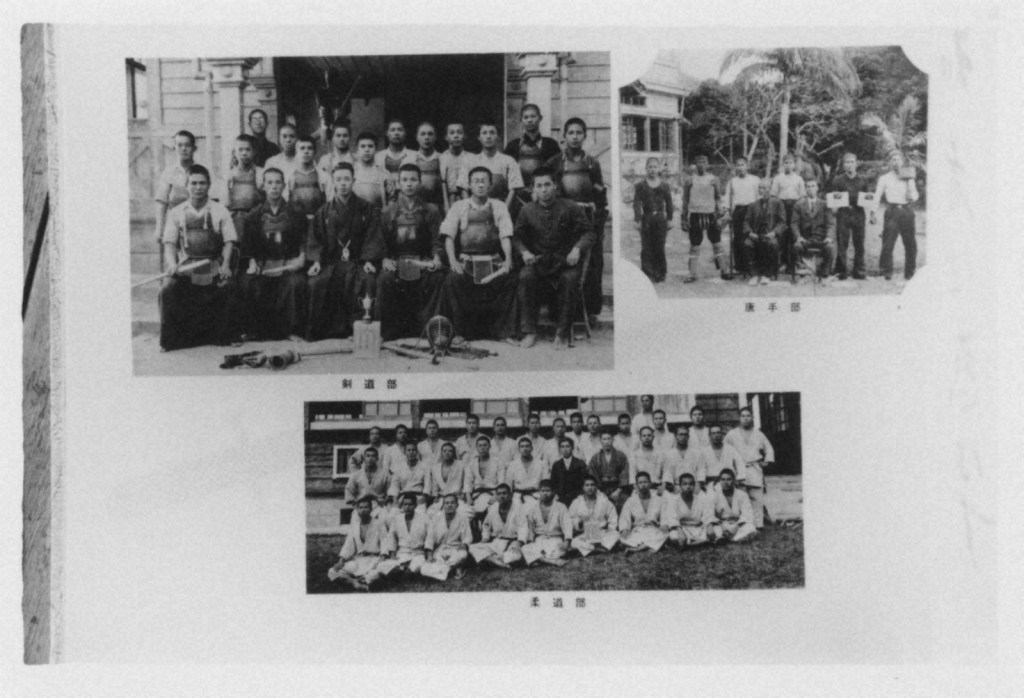
When Yabu Kentsū 屋部 憲通 (1866–1937) returned from his time in North America (1919–1927) in the late 1920s, he was again employed at the Okinawa Shihan Gakkō (Okinawa Normal School) in Shuri, located not far from his home. At that time, he was one of the most senior karate masters in Okinawa and as a… Continue reading
-
Yamakawa – Ancestral home of karate masters
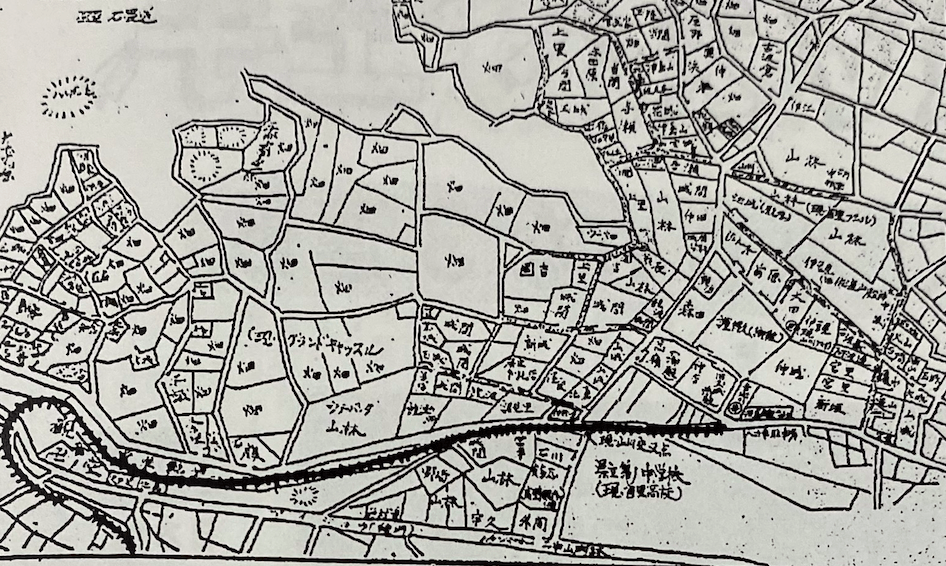
Yamakawa, a district in Shuri (Okinawa) just a few minutes’ walk from Shuri Castle, was once home to many aristocratic families—the scholar-officials of the Ryūkyū Kingdom. The neighborhood looked much like a traditional Ryūkyūan village, with both small and large houses that reflected the social status of their residents. The homes were wooden and single-storied,… Continue reading
-
New study explores connections between Korean and Ryūkyūan martial arts
A new study in Martial Arts Studies—a peer-reviewed, open-access journal dedicated to high-quality research on the sociocultural dimensions of martial arts and combat sports—examines historical links between Korea and the Ryūkyū Islands in the development of karate. The study opens by critiquing the traditionalist historiography of taekwondo, grounded in the view positing that Korean martial… Continue reading
-
Correcting a case of mistaken identity
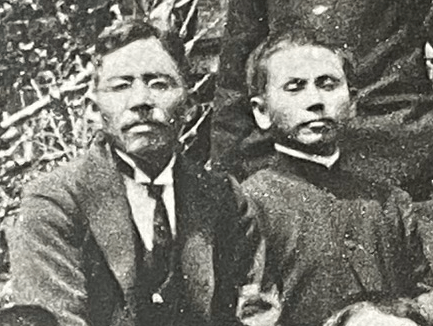
One of the key challenges in research is that one can sometimes follow the wrong path and arrive at incorrect conclusions. In karate historiography, prominent examples include the once-common theory that a weapons ban in Ryūkyū was the reason for the development of karate, and a group photo in which Itosu Ankō 糸洲安恒 (1831–1915) was… Continue reading
-
The blog as a book

Karate’s history is richer and more complex than popular narratives often suggest. Based on this blog, Investigations into the history of karate (Lulu, 2025) brings together a diverse collection of essays that explore the art’s overlooked figures, pivotal moments, and forgotten contexts. From the pioneers of Hanashiro Chōmo and Yabu Kentsū to the appearance of karate… Continue reading
-
Anecdote about “hidden warrior” Hanashiro Chōmo

Hanashiro Chōmo (1869–1945) played a significant role in the development of modern karate. Despite his importance, he remains underrepresented in historical discourse. Fortunately, several written sources preserve his legacy. I recently came across one such example in the 1997 publication 沖縄の昔面影 Okinawa no mukashi omokage (Remnants of Old Okinawa), in which the author, Kinjō Kazuhiko… Continue reading
-
The Crown Prince’s overseas tour diary (1924)
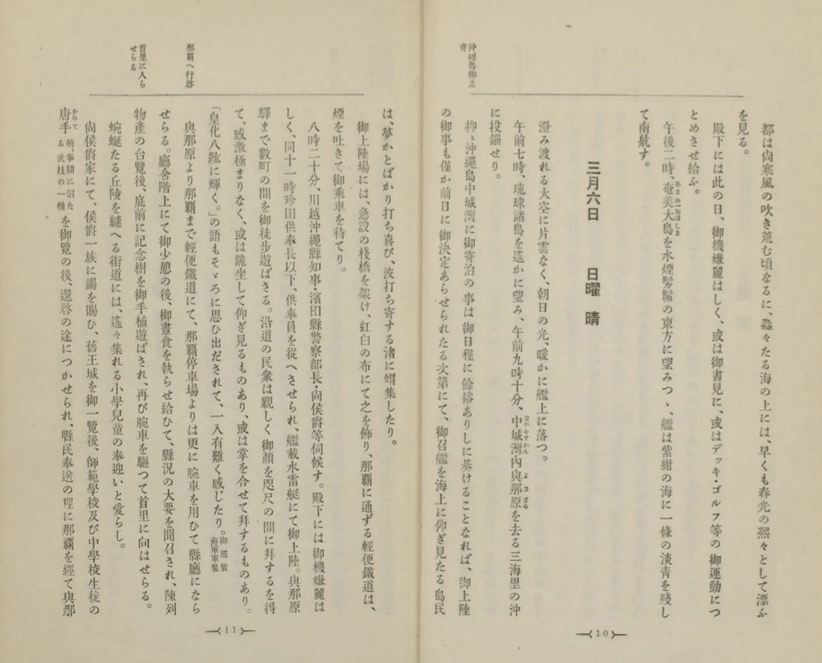
The visit of Japanese Crown Prince Hirohito 裕仁 (1901–1989) to Shuri marks a historically significant event, particularly remembered within the karate community. On 6 March 1921, His Highness attended a karate demonstration led by Funakoshi Gichin 船越義珍 (1868–1957). Though brief, the visit is documented through various scattered reports. Just two days later, on 8 March… Continue reading
 Investigations into the history of karate