Okinawa
-
Kōdōkan karate “pioneer“ Iwabuchi Makoto
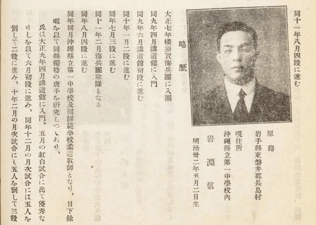
As early as August 1908, Kanō Jigorō 嘉納治五郎 (1860–1938), founder of the Kōdōkan, observed a group of Okinawan middle school students demonstrating karate during the Youth Bujutsu Exhibition at the Kyōto Butoku Kai. Several years later, in April 1911, he invited a small group of third-year students from the Okinawa Prefectural Normal School—then visiting Tōkyō—to perform their… Continue reading
-
Annotated bibliography of Funakoshi Gichin
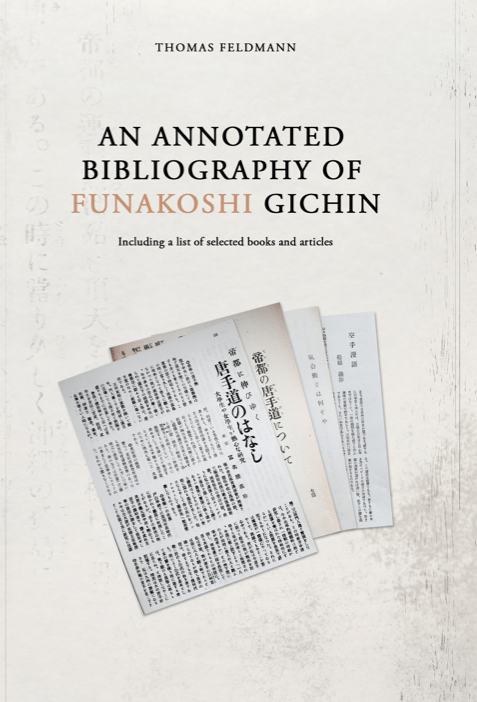
I am pleased that my new book is finally available: “An Annotated Bibliography of Funakoshi Gichin. Including a list of selected books and articles“ (Lulu, 2025). Considered by many to be the father of modern karatedō, Funakoshi Gichin (1868–1957) is undoubtedly one of the most important pioneers of modern karate, both as a martial art… Continue reading
-
Debunking karate myths
Ikigaido Karate is a German-language channel for karate in Switzerland, Germany and Austria. I was recently invited to debunk seven karate myths with Stephan Rickauer, ‘Chief Karate Officer’ and podcast host. A great format and an interesting experience. Stephan really did an excellent job. Keep up the good work! The recording is unfortunately only available… Continue reading
-
Karate in 1916 Hawaiian newspaper – was it the first?
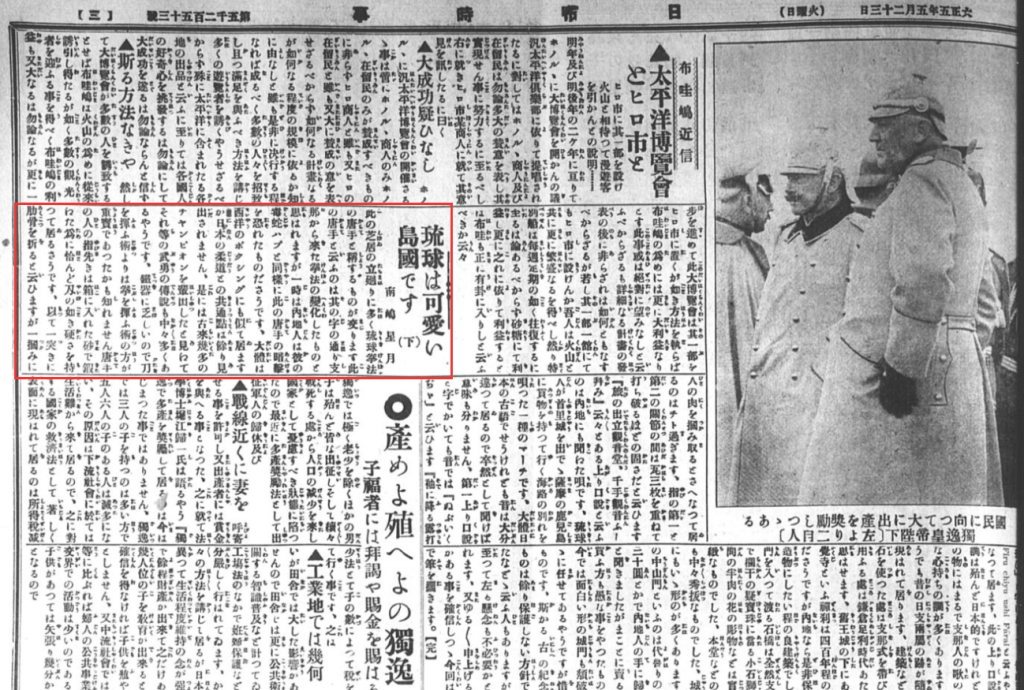
Before Yabu Kentsū (1866–1937) arrived in Hawaii in 1927, karate was already there. Although the aspect of karate in Okinawan immigrant communities overseas has not been sufficiently researched, there is some evidence (as presented by Bruce A. Haines and Charles C. Goodin in their respective studies). In their new home, the Okinawans not only talked… Continue reading
-
Bulls and rams in karate folklore
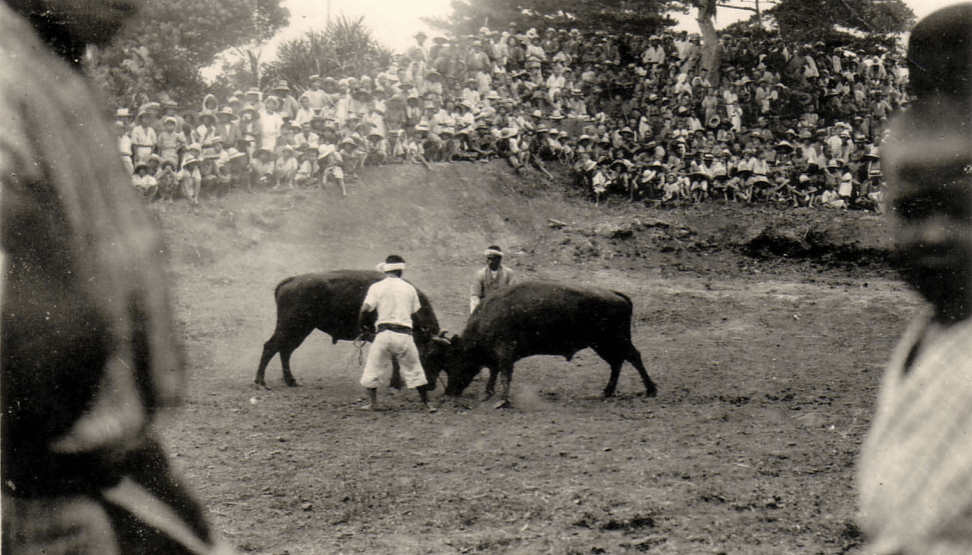
Stories about animals have always played an important role in folklore. In the world of karate, the bull is the subject of many anecdotes. The bull is a very powerful animal. A form of bullfighting, in which peasants pitted bulls against each other for fun, is said to date back at least to the 12th… Continue reading
-
Brief thoughts on the origins of karate
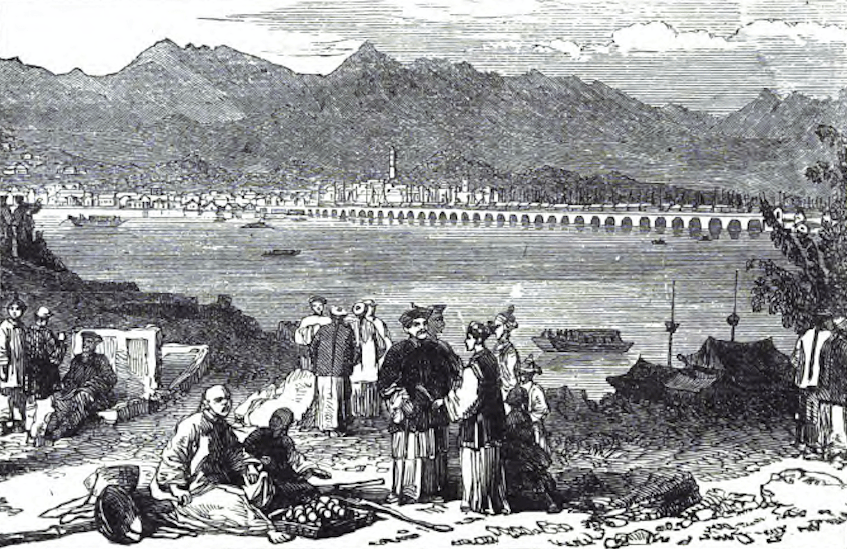
The exact origins of karate cannot be clearly reconstructed today. This would require extensive research in the East Asian region, which has not been carried out to the extent that would have been necessary. And in the end, it can be said that many questions remain unanswered. However, the Japanologist and sports scientist Heiko Bittmann… Continue reading
-
Yabu Kentsū enthusiastic about Napoleon’s words
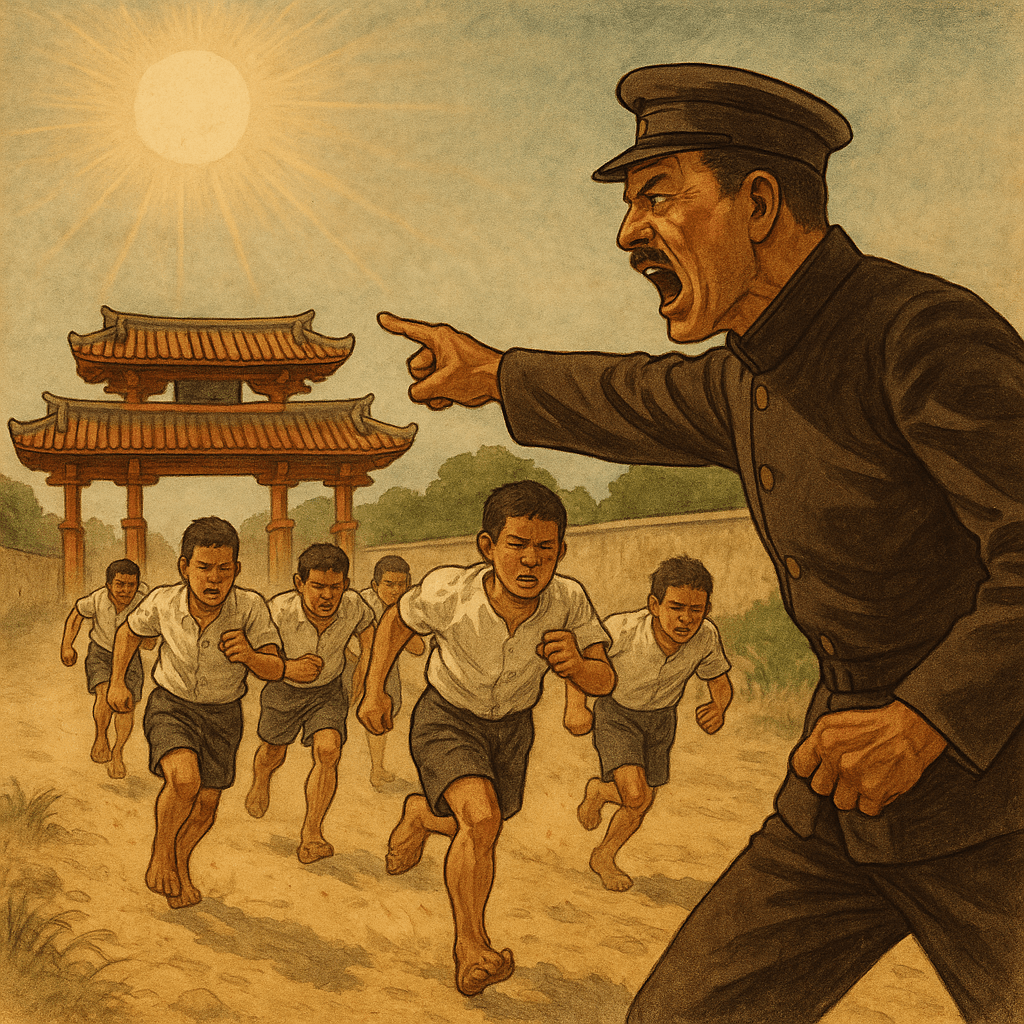
Eyewitness accounts about Yabu Kentsū (1866–1937) are not so numerous and therefore very valuable. I recently read a short passage recorded by the linguist, folklorist, and pioneer of Okinawan studies Iha Fuyū 伊波普猷 (1876–1947), of whom the historian Higashionna Kanjun 東恩納寛惇 (1882–1963) once said that no one knows Okinawa more deeply. Iha recounts an incident… Continue reading
-
Group photograph with Hanashiro Chōmo
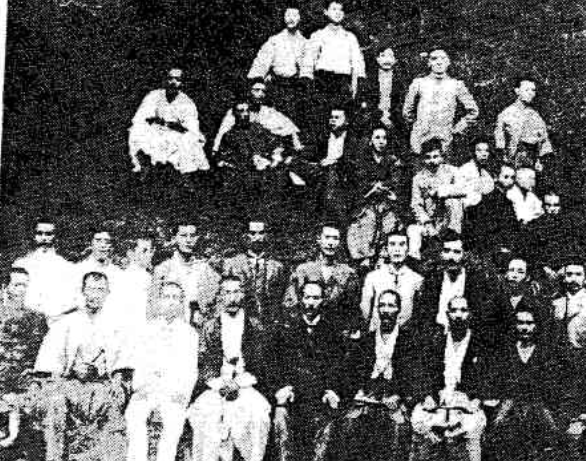
Yabu Kentsū (1866–1937) was a great fan and supporter of sumō in Okinawa. But he was not the only karate authority back in the days who was fascinated by the sport. Apart from Yabu, who occasionally acted as a referee at the Prefectural Sumō Tournament in Ônoyama Park, Funakoshi Gichin (1868–1957) is known to have… Continue reading
-
A note by Yabu Kentsū?
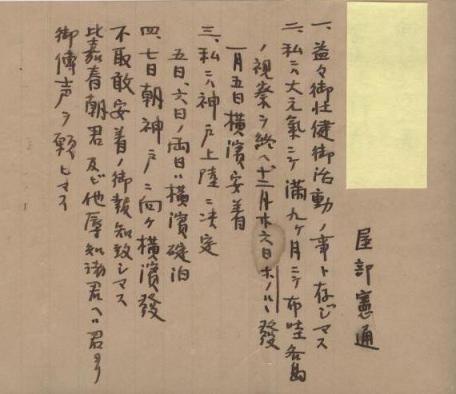
Written legacies of old karate masters are extremely rare. A note attributed to Yabu Kentsū 屋部憲通 (1866–1937) was shared by a well-known antique dealer from Okinawa. Here, Yabu is said to describe the route he took from Hawaii back to Okinawa in 1927. He may have recorded it for Miyagi Hisateru 久輝宮城 (1895–1991), a graduate… Continue reading
-
Biography of Yabu Kentsū published
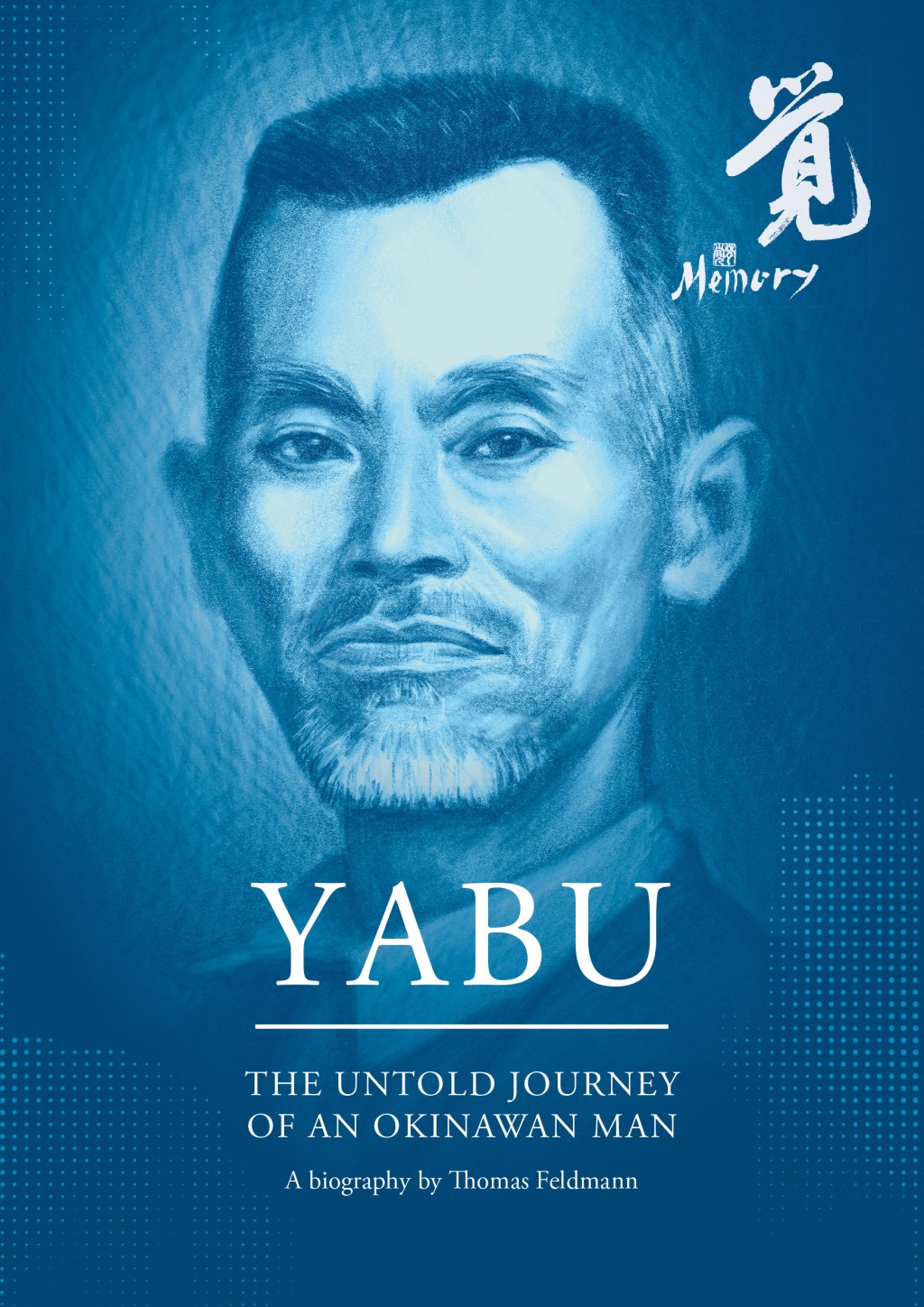
After three years of extensive research and writing my biography of Yabu Kentsū has finally been published. The book can be ordered here. About Yabu Kentsū Not so well known in the Western Hemisphere, Kentsū Yabu (1866–1937) is a pivotal figure in Okinawan history. Born in the small village of Yamakawa very close to Shuri,… Continue reading
 Investigations into the history of karate