Ryukyu
-
Investigations, Volume 2 available now
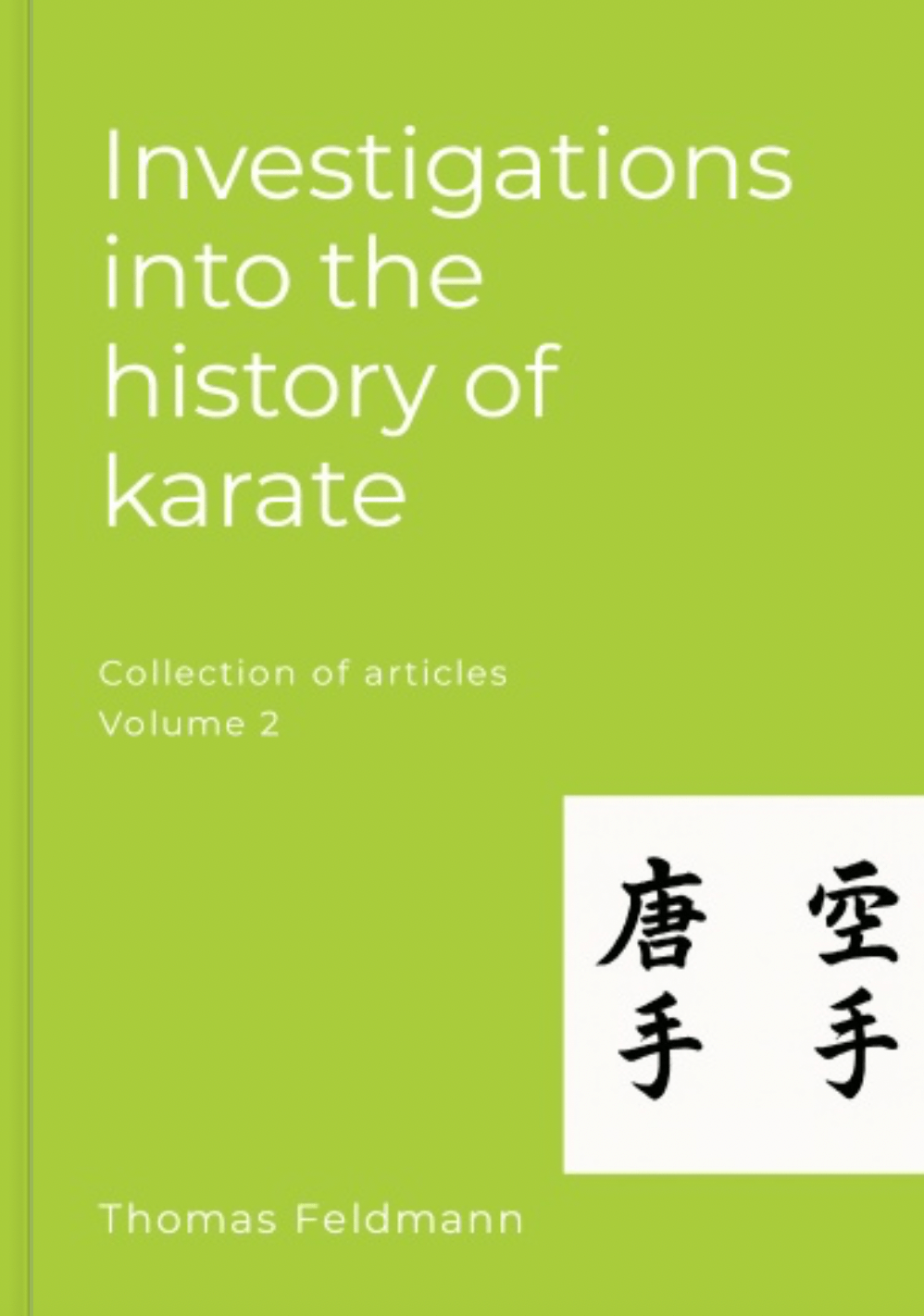
Volume 2 of “Investigations into the history of karate” is available now. Based on this blog, the book traces a range of historical contexts in which karate surfaces, from everyday settings such as plantations in Hawaiʻi around 1900 and personal diary entries from the early twentieth century. Other contributions draw on visual and textual sources,… Continue reading
-
New study explores connections between Korean and Ryūkyūan martial arts
A new study in Martial Arts Studies—a peer-reviewed, open-access journal dedicated to high-quality research on the sociocultural dimensions of martial arts and combat sports—examines historical links between Korea and the Ryūkyū Islands in the development of karate. The study opens by critiquing the traditionalist historiography of taekwondo, grounded in the view positing that Korean martial… Continue reading
-
A linguistic glimpse into the martial arts of Fuzhou
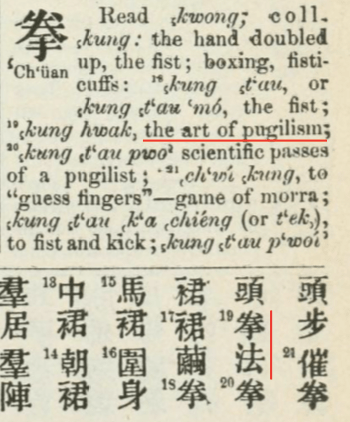
To gain deeper insights into the origins of karate, it is essential to look more closely toward China. Over the years, there has been continuous bilateral exchange among martial artists and groups. However, scholarly research—particularly the analysis of primary and secondary sources regarding cultural exchange between the Chinese Empire and the Ryūkyū Kingdom in relation… Continue reading
-
The Crown Prince’s overseas tour diary (1924)
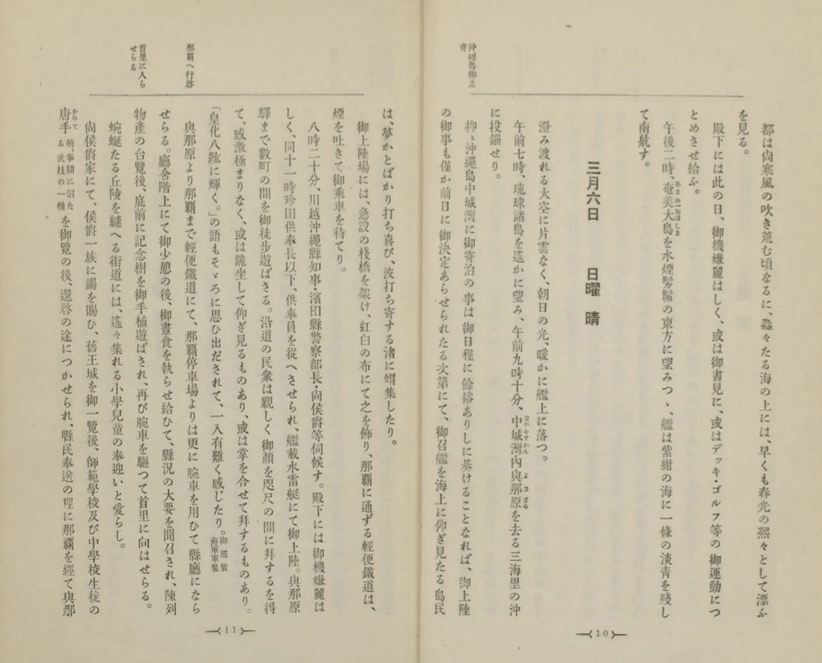
The visit of Japanese Crown Prince Hirohito 裕仁 (1901–1989) to Shuri marks a historically significant event, particularly remembered within the karate community. On 6 March 1921, His Highness attended a karate demonstration led by Funakoshi Gichin 船越義珍 (1868–1957). Though brief, the visit is documented through various scattered reports. Just two days later, on 8 March… Continue reading
-
Debunking karate myths
Ikigaido Karate is a German-language channel for karate in Switzerland, Germany and Austria. I was recently invited to debunk seven karate myths with Stephan Rickauer, ‘Chief Karate Officer’ and podcast host. A great format and an interesting experience. Stephan really did an excellent job. Keep up the good work! The recording is unfortunately only available… Continue reading
-
Karate in 1916 Hawaiian newspaper – was it the first?
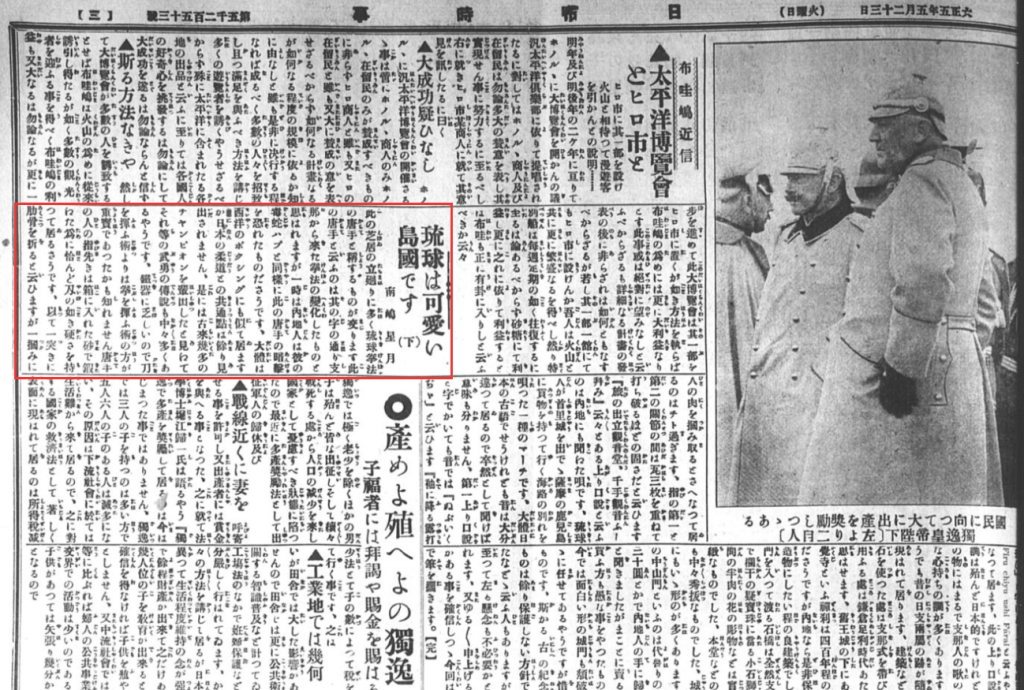
Before Yabu Kentsū (1866–1937) arrived in Hawaii in 1927, karate was already there. Although the aspect of karate in Okinawan immigrant communities overseas has not been sufficiently researched, there is some evidence (as presented by Bruce A. Haines and Charles C. Goodin in their respective studies). In their new home, the Okinawans not only talked… Continue reading
-
Brief thoughts on the origins of karate
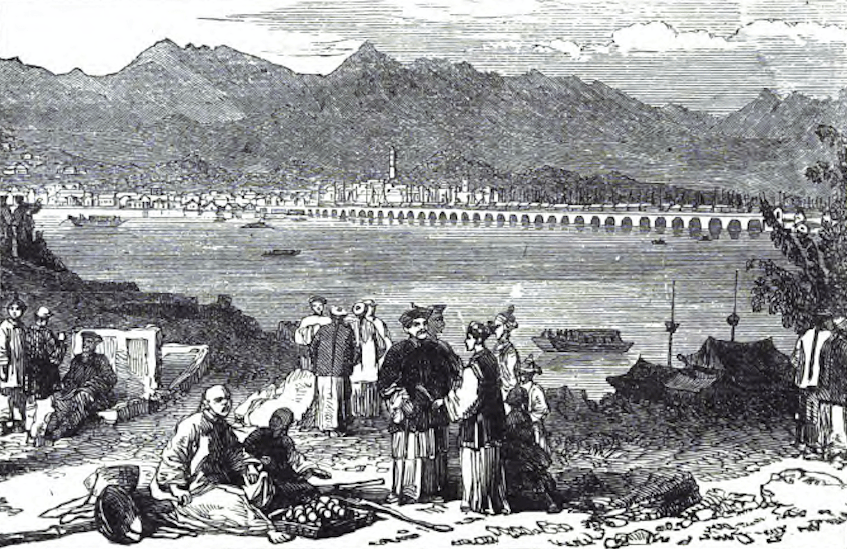
The exact origins of karate cannot be clearly reconstructed today. This would require extensive research in the East Asian region, which has not been carried out to the extent that would have been necessary. And in the end, it can be said that many questions remain unanswered. However, the Japanologist and sports scientist Heiko Bittmann… Continue reading
-
Biography of Yabu Kentsū published
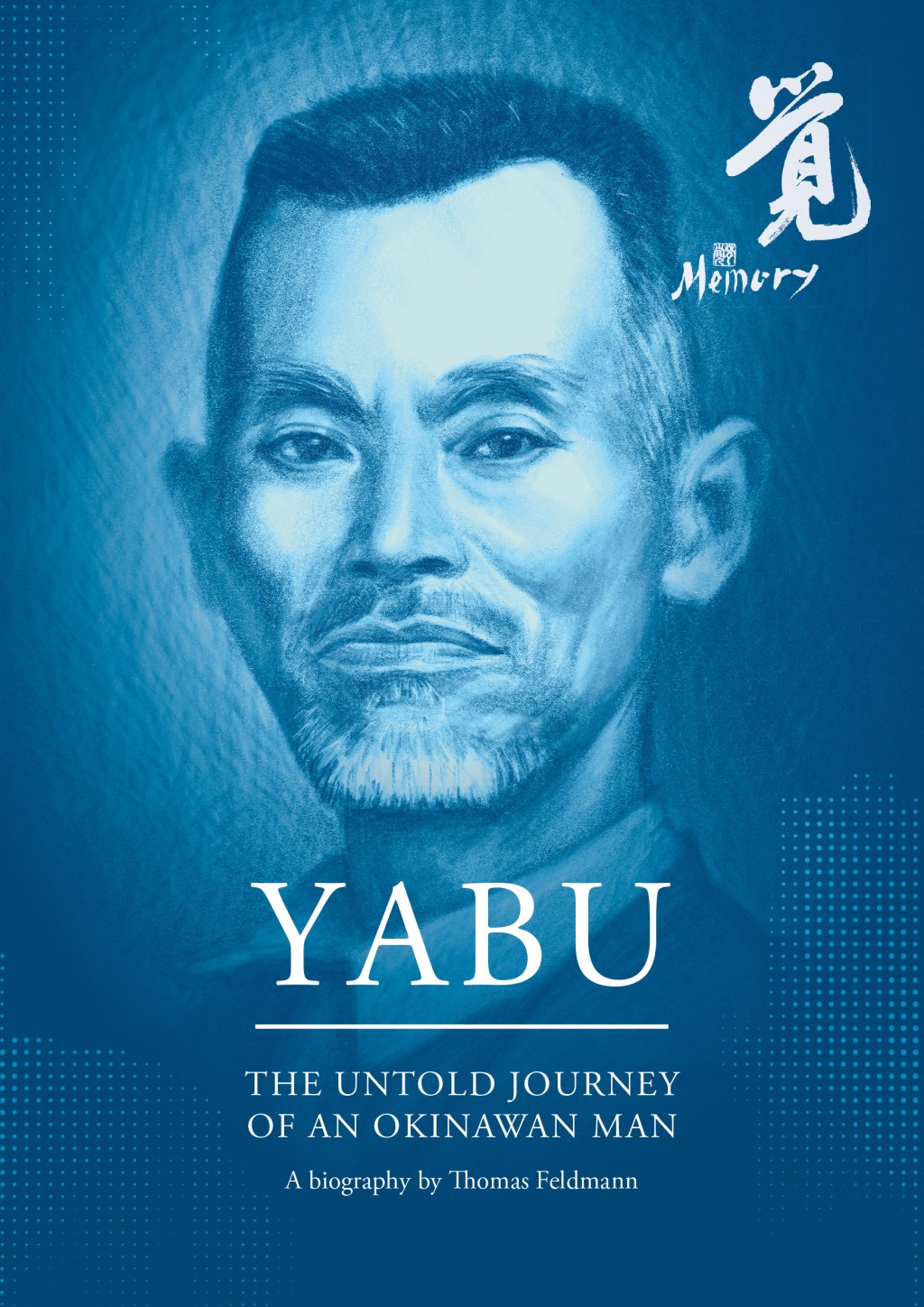
After three years of extensive research and writing my biography of Yabu Kentsū has finally been published. The book can be ordered here. About Yabu Kentsū Not so well known in the Western Hemisphere, Kentsū Yabu (1866–1937) is a pivotal figure in Okinawan history. Born in the small village of Yamakawa very close to Shuri,… Continue reading
-
Physical examination of Ryūkyūan recruits
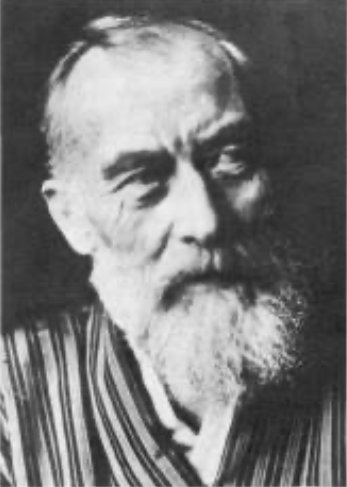
In 1911, German internist and anthropologist Erwin von Bälz (1849–1913) talked about the people from Ryūkyū, in whose “peculiarities” he was interested: “When I learned in 1899 that recruits from Riu-Kiu [sic] had been recruited in the southern garrisons, I asked the military authorities for permission, which they gladly granted, to study these people anthropologically.… Continue reading
-
A poem by Funakoshi Gichin unearthed recently
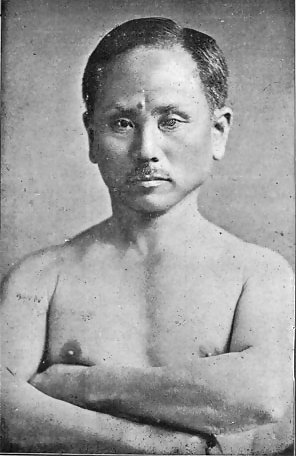
It was in 1922 that karate began to be popularized outside of Okinawa Prefecture by Funakoshi Gichin 船越義珍 (1868–1957). A hundred years have passed since then. In this context, the Okinawa Karate Academy on November 24, 2022 dedicated a lecture to Funakoshi’s time on Okinawa: 空手普及100年 一 船越義珍の足跡をたどる一 (100 Years of Karate Popularization: In the… Continue reading
 Investigations into the history of karate