Yabu Kentsu
-
Investigations, Volume 2 available now
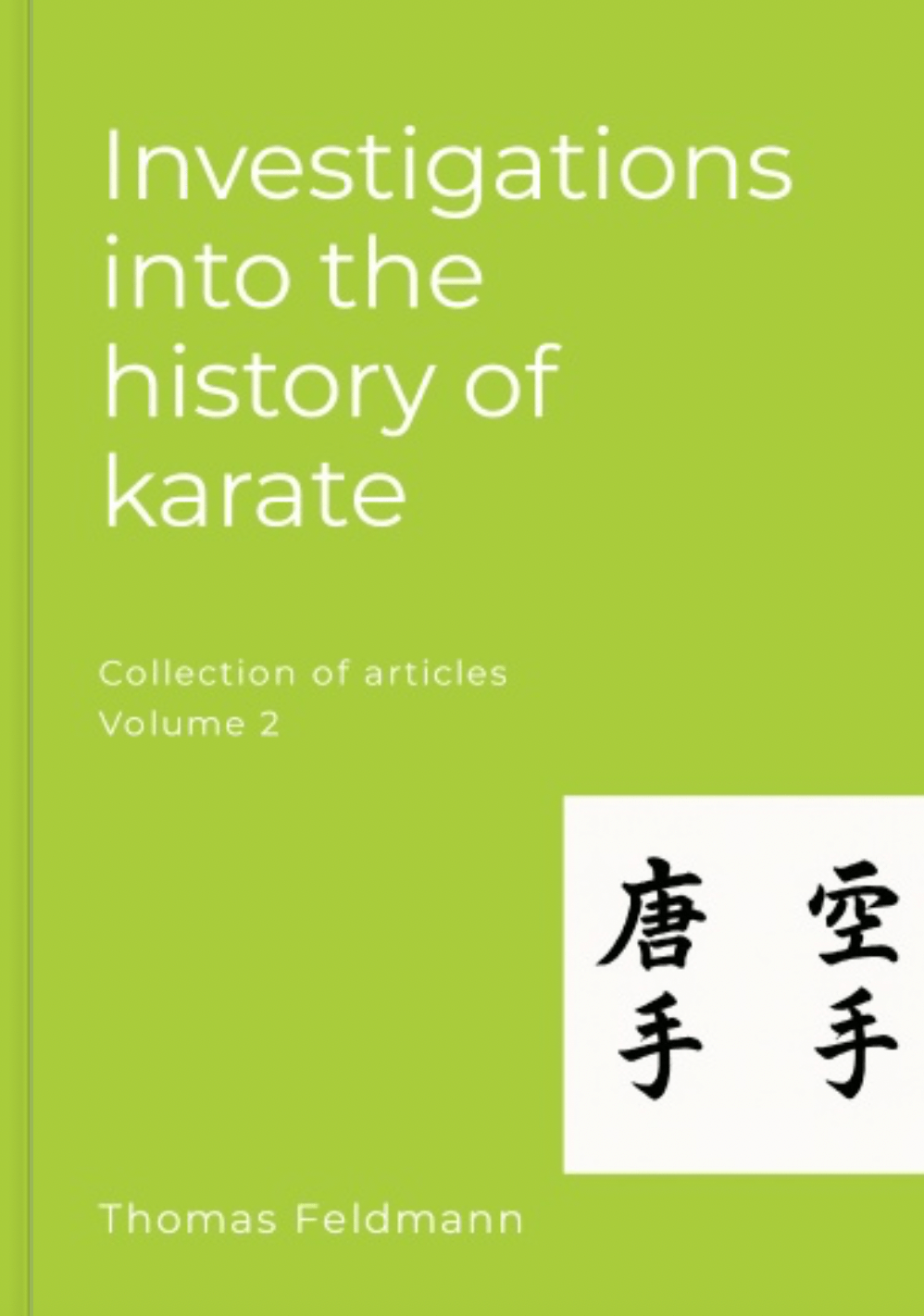
Volume 2 of “Investigations into the history of karate” is available now. Based on this blog, the book traces a range of historical contexts in which karate surfaces, from everyday settings such as plantations in Hawaiʻi around 1900 and personal diary entries from the early twentieth century. Other contributions draw on visual and textual sources,… Continue reading
-
A remarkable yearbook find: New light on an old photograph
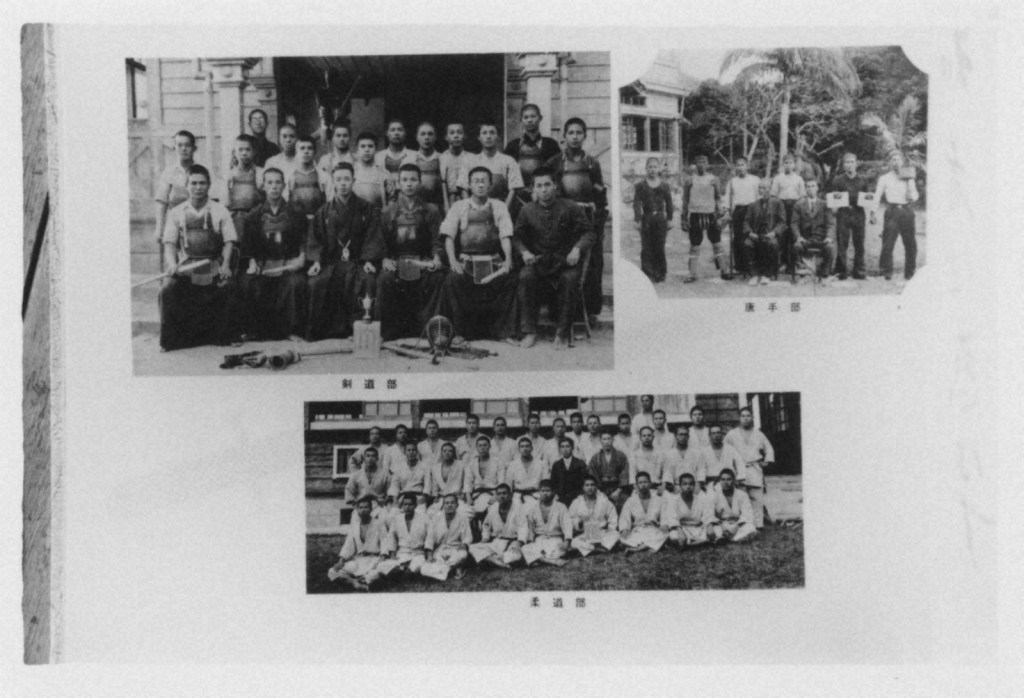
When Yabu Kentsū 屋部 憲通 (1866–1937) returned from his time in North America (1919–1927) in the late 1920s, he was again employed at the Okinawa Shihan Gakkō (Okinawa Normal School) in Shuri, located not far from his home. At that time, he was one of the most senior karate masters in Okinawa and as a… Continue reading
-
Yamakawa – Ancestral home of karate masters
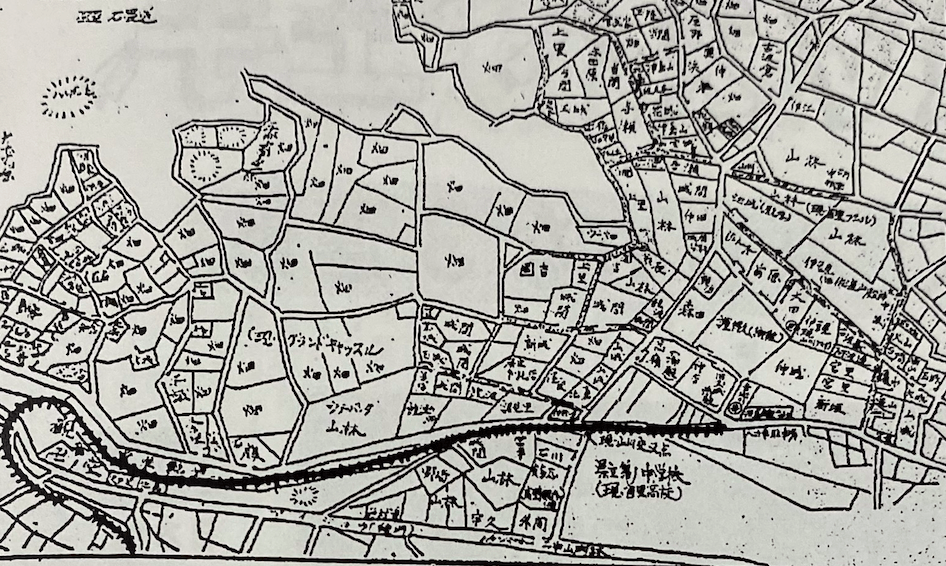
Yamakawa, a district in Shuri (Okinawa) just a few minutes’ walk from Shuri Castle, was once home to many aristocratic families—the scholar-officials of the Ryūkyū Kingdom. The neighborhood looked much like a traditional Ryūkyūan village, with both small and large houses that reflected the social status of their residents. The homes were wooden and single-storied,… Continue reading
-
The blog as a book

Karate’s history is richer and more complex than popular narratives often suggest. Based on this blog, Investigations into the history of karate (Lulu, 2025) brings together a diverse collection of essays that explore the art’s overlooked figures, pivotal moments, and forgotten contexts. From the pioneers of Hanashiro Chōmo and Yabu Kentsū to the appearance of karate… Continue reading
-
Speaking about karate research

Over the past few years I have been invited to take part in a number of conversations about my passion for research and my work. Please find below a collection of the available recordings. With a click on the tiles directly to the clip. Continue reading
-
Karate in 1916 Hawaiian newspaper – was it the first?
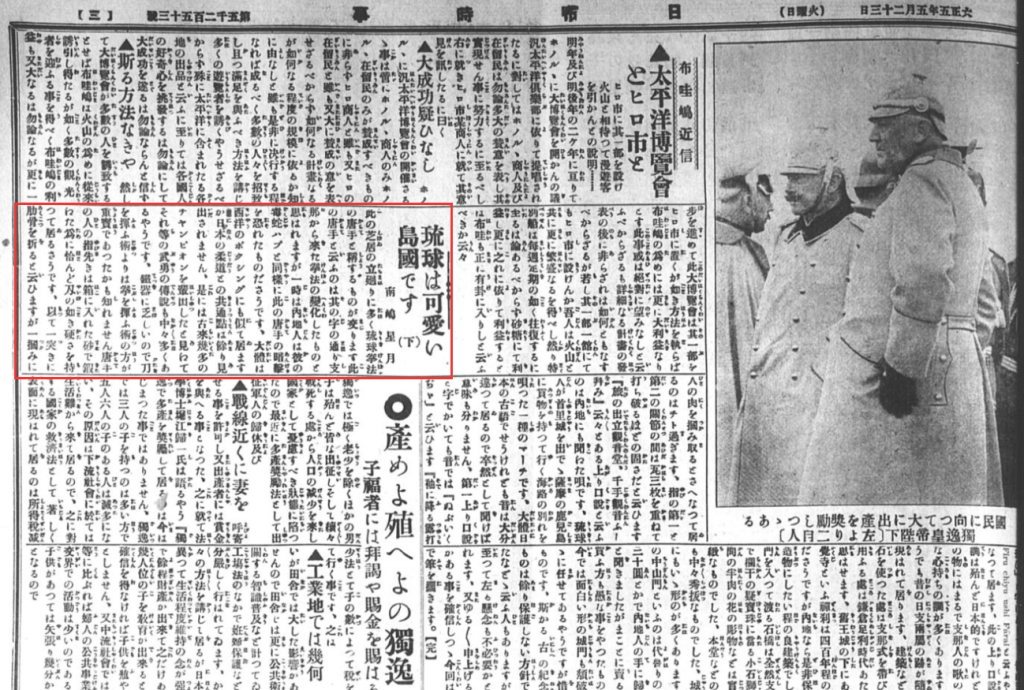
Before Yabu Kentsū (1866–1937) arrived in Hawaii in 1927, karate was already there. Although the aspect of karate in Okinawan immigrant communities overseas has not been sufficiently researched, there is some evidence (as presented by Bruce A. Haines and Charles C. Goodin in their respective studies). In their new home, the Okinawans not only talked… Continue reading
-
Yabu Kentsū enthusiastic about Napoleon’s words
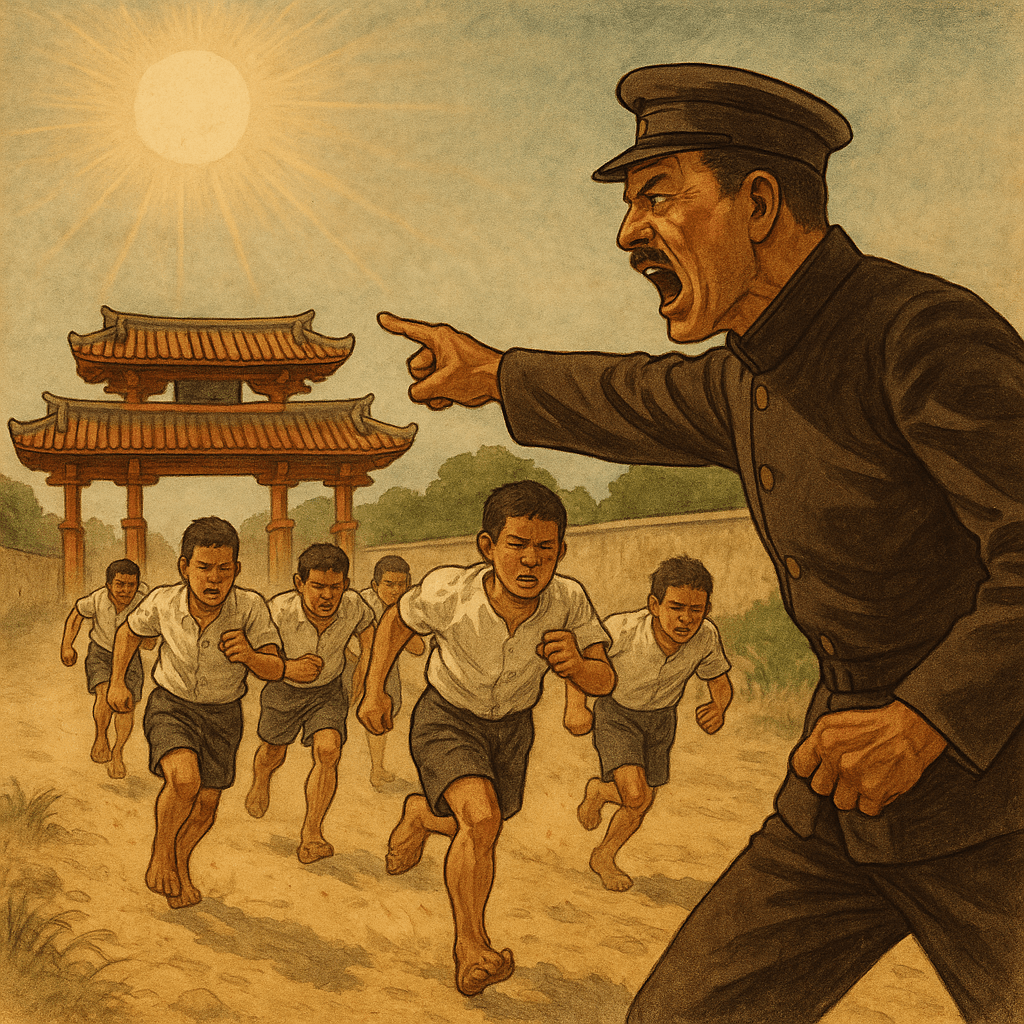
Eyewitness accounts about Yabu Kentsū (1866–1937) are not so numerous and therefore very valuable. I recently read a short passage recorded by the linguist, folklorist, and pioneer of Okinawan studies Iha Fuyū 伊波普猷 (1876–1947), of whom the historian Higashionna Kanjun 東恩納寛惇 (1882–1963) once said that no one knows Okinawa more deeply. Iha recounts an incident… Continue reading
-
A note by Yabu Kentsū?
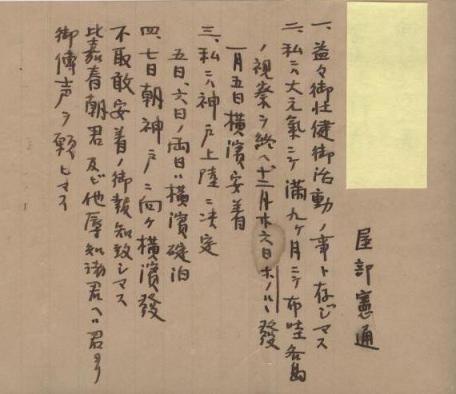
Written legacies of old karate masters are extremely rare. A note attributed to Yabu Kentsū 屋部憲通 (1866–1937) was shared by a well-known antique dealer from Okinawa. Here, Yabu is said to describe the route he took from Hawaii back to Okinawa in 1927. He may have recorded it for Miyagi Hisateru 久輝宮城 (1895–1991), a graduate… Continue reading
-
Memories of Yabu Kentsū
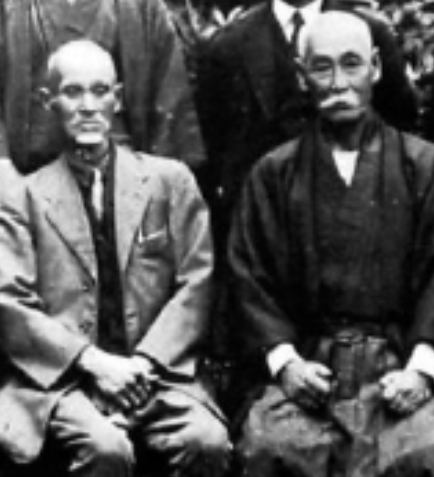
Yabu Kentsū, who was born in 1866, died in 1937. The sympathy was great especially in the Shuri district and among students and teachers of the Okinawa Normal School. Beside several obituaries which were published following his death, the school publication Ryūtan in 1938 prepared a lengthy article which extensively remembered Yabu’s life and work.… Continue reading
-
Physical examination of Ryūkyūan recruits
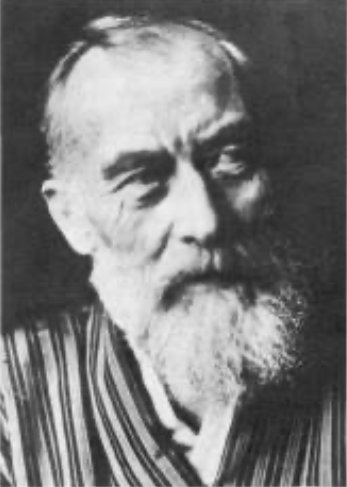
In 1911, German internist and anthropologist Erwin von Bälz (1849–1913) talked about the people from Ryūkyū, in whose “peculiarities” he was interested: “When I learned in 1899 that recruits from Riu-Kiu [sic] had been recruited in the southern garrisons, I asked the military authorities for permission, which they gladly granted, to study these people anthropologically.… Continue reading
 Investigations into the history of karate