Yabu. The Untold Journey of an Okinawan Man. A biography (2024)
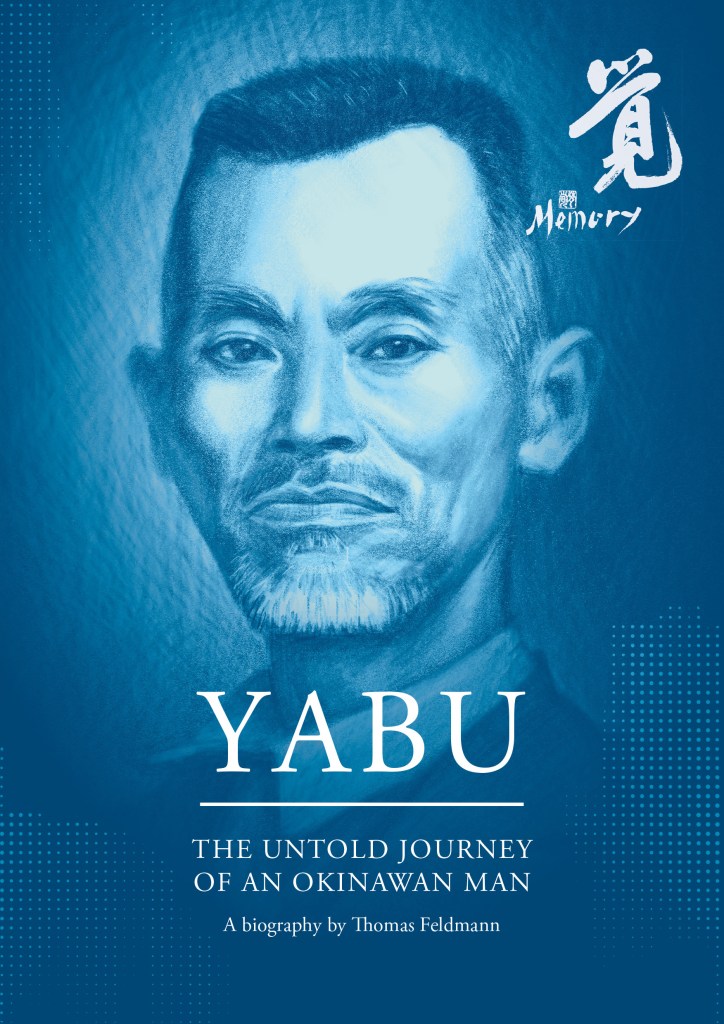
“My generous praise and thanks are extended to Mr. Feldmann for his astute ability to not only tell a story but to give texture to my family’s life, a gift that has eluded me for so many years.” — Arlene Miyoko Wayland, Granddaughter of Kentsū Yabu
Ankō Itosu. The Man. The Master. The Myth. Biography of a Legend (2021)
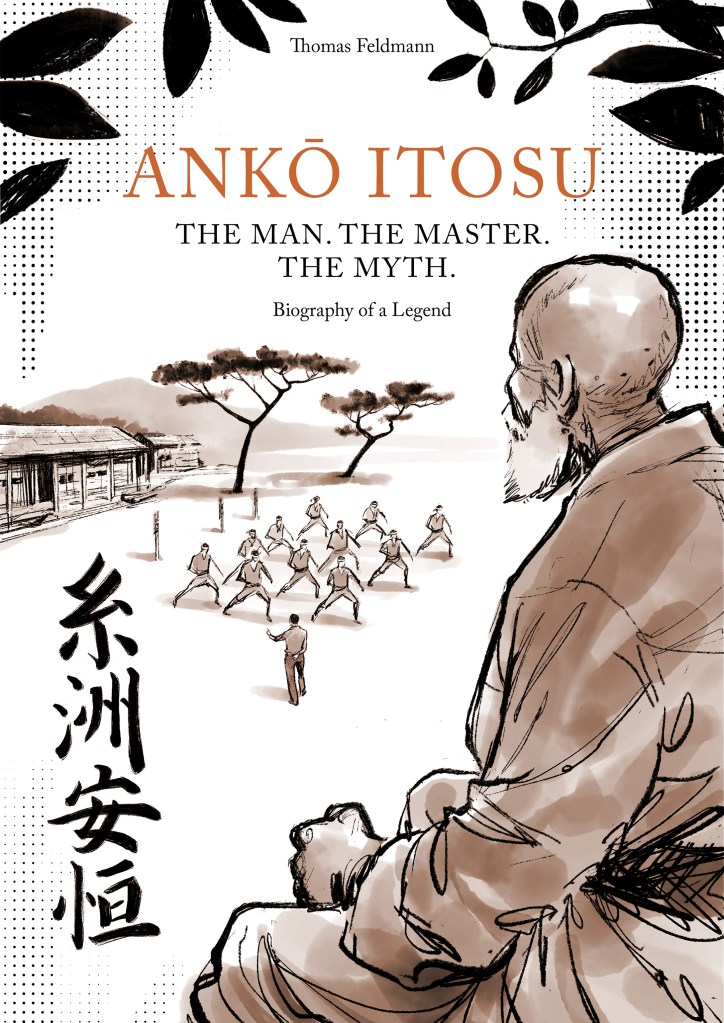
“This solid biographical study results in a more than recommendable book. To date, it is probably the most complete portrait of Ankō Itosu.“ — Dr. Eduardo González de la Fuente via REVISTA DE ARTES MARCIALES ASIÁTICAS
“To write this non-novel biography of master Itosu Ankō …, [the author] gathered a huge amount of materials and received the cooperation of many researchers from around the world. … The result is an easy-to-read but extremely well documented book that is a valuable source of information for any karate enthusiast.“ — Miguel Da Luz via OKINAWA KARATE NEWSLETTER
“Anko Itosu,“ is sure to become a best seller. I enthusiastically support this book and strongly recommend it to any/all passionate about the art, which brings us together.“ — Patrick McCarthy, International Ryukyu Karate Research Society
Not so well known in the Western Hemisphere, Kentsū Yabu (1866–1937) is a pivotal figure in Okinawan history. Born in the small village of Yamakawa very close to Shuri, the capital of then independent Ryūkyū Kingdom, Yabu bore witness to the forced incorporation of his homeland into Okinawa Prefecture under the Empire of Japan in 1879. In 1890, he embarked on a remarkable journey, volunteering for the Japanese Army and rising to the rank of Sergeant or “Gunsō”. His valorous exploits during the First Sino-Japanese War and the Russo-Japanese War cemented his status as a revered war hero. Beyond the battlefield, Yabu Gunsō left an indelible mark on Okinawan society. Recognizing the importance of physical education, he later became a driving force in integrating karate, an indigenous martial art of the Ryūkyū Islands, into the school curriculum. Venturing beyond borders, he spent a significant time in California between 1919 and 1927 before making history as the first principal karate authority to showcase his art in the Hawaiian Islands upon his return to Okinawa, where he spent the last years of his life.
“I extend my heartfelt congratulations to Thomas Feldmann for once again bringing to life the pages of history and ensuring that the legacy of Kentsū Yabu stands immortalized for generations to come.” — Patrick McCarthy, International Ryukyu Karate Research Society
Ankō Itosu is one of the most important figures in the development of modern karate, both a martial art and sport which is practiced today by millions of people worldwide. He not only laid the foundation of modern training but taught a very sophisticated next generation of practitioners who later were essential for spreading this splendid art worldwide. Ankō Itosu was born in the Shuri district of Okinawa, the main island of then independent Ryūkyū Kingdom (what is now part of Japan) in the year of 1831, into a time when modernization has not yet started in this part of the world. Coming from a low-ranked family, he grew up in turbulent times, and after a long eventful life he eventually became a legendary figure of the Ryūkyūan history. He died in 1915. Looking at his education, his professional career, his dedication to the indigenous fighting arts and his legacy he has left to posterity, the book dives into the life and times of Ankō Itosu, the man, the master and the myth.
“This book enriches and completes the historiography of karate with the biography of one of its most important personalities.“ — Prof. Dr. Wolfgang Herbert via OAG NOTIZEN
“This book is a milestone in the history of Karatedo. I thank Mr. Feldmann for his immense efforts to share his research with us.“ — Christian Bellina (Okinawa Seito Karatedo)
“The book provides a useful and interesting read, not only for those concerned with the fighting arts, but for researchers looking for individual experiences of nineteenth-century East Asian life.“ — Dr. Amanda Callan-Spenn via THE INTERNATIONAL JOURNAL OF THE HISTORY OF SPORT
 Investigations into the history of karate