-
Bulls and rams in karate folklore
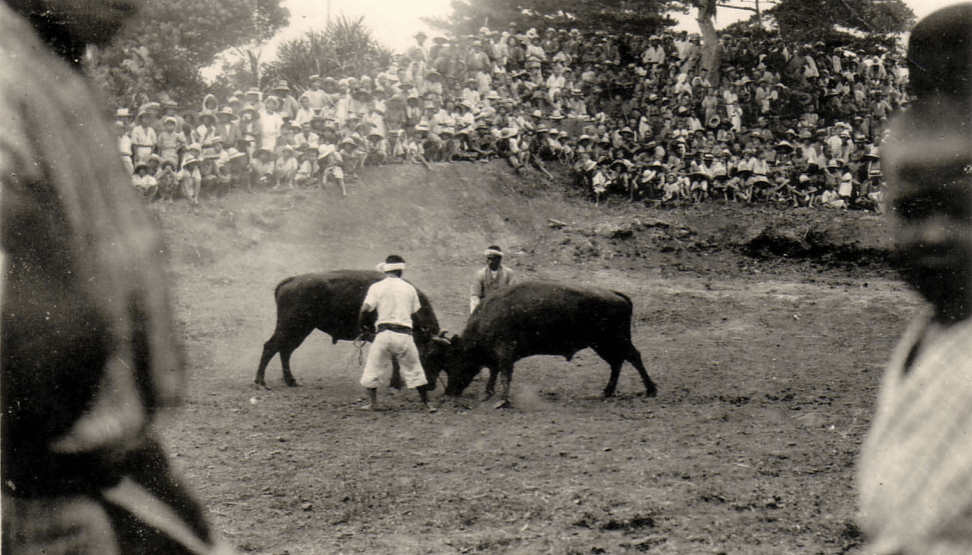
Stories about animals have always played an important role in folklore. In the world of karate, the bull is the subject of many anecdotes. The bull is a very powerful animal. A form of bullfighting, in which peasants pitted bulls against each other for fun, is said to date back at least to the 12th… Continue reading
-
Brief thoughts on the origins of karate
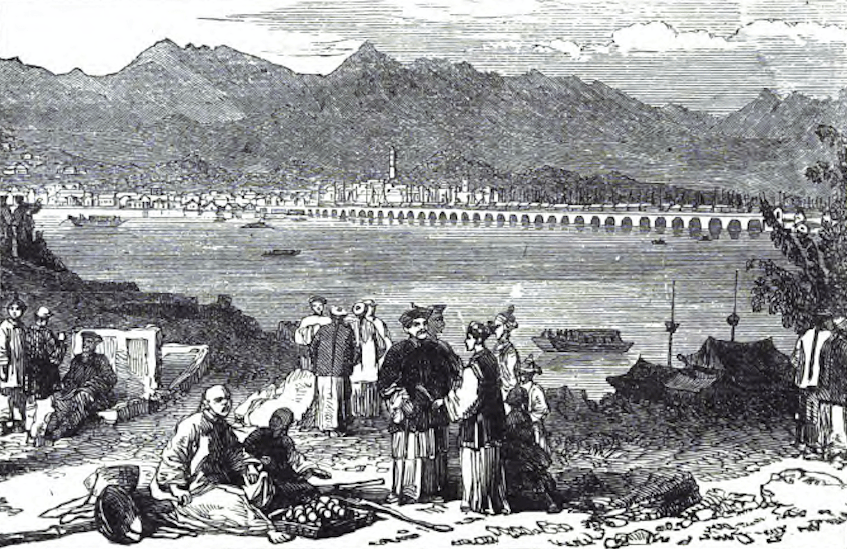
The exact origins of karate cannot be clearly reconstructed today. This would require extensive research in the East Asian region, which has not been carried out to the extent that would have been necessary. And in the end, it can be said that many questions remain unanswered. However, the Japanologist and sports scientist Heiko Bittmann… Continue reading
-
Yabu Kentsū enthusiastic about Napoleon’s words
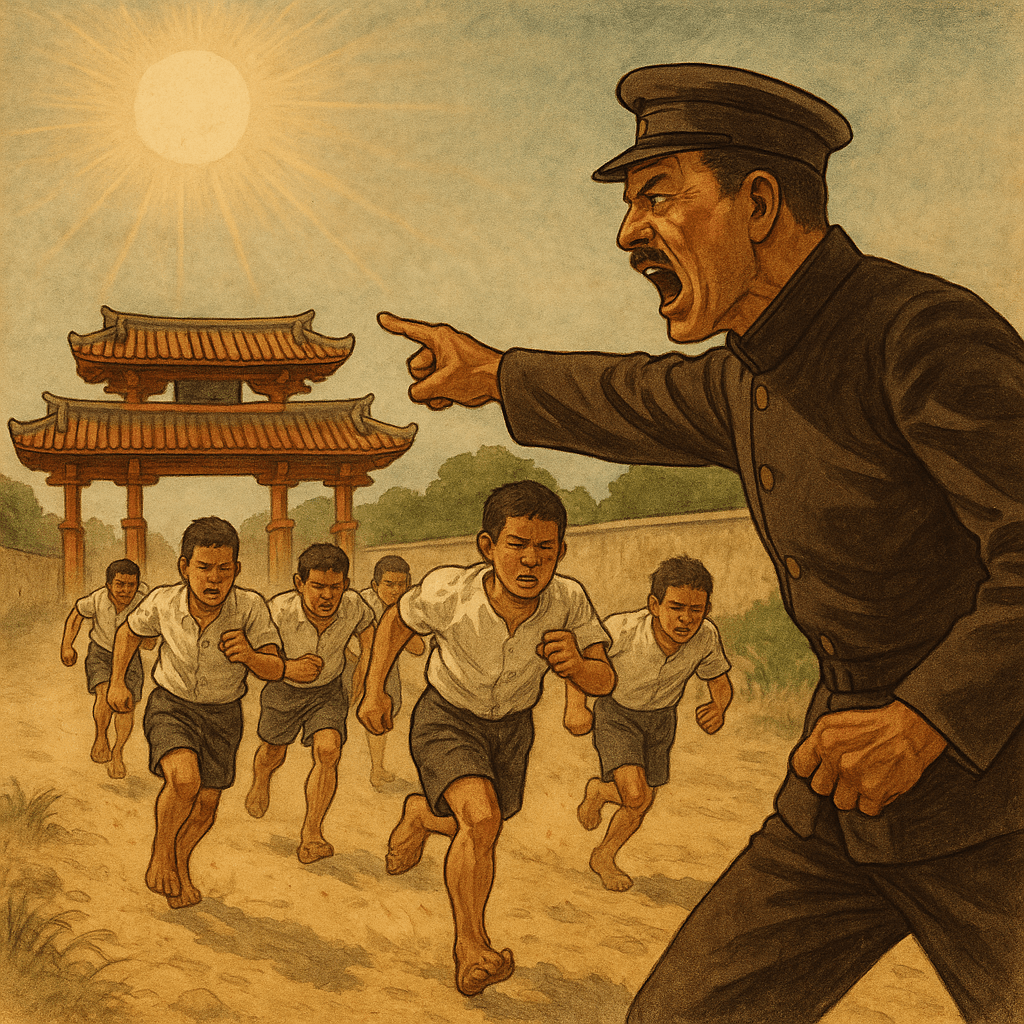
Eyewitness accounts about Yabu Kentsū (1866–1937) are not so numerous and therefore very valuable. I recently read a short passage recorded by the linguist, folklorist, and pioneer of Okinawan studies Iha Fuyū 伊波普猷 (1876–1947), of whom the historian Higashionna Kanjun 東恩納寛惇 (1882–1963) once said that no one knows Okinawa more deeply. Iha recounts an incident… Continue reading
-
Group photograph with Hanashiro Chōmo
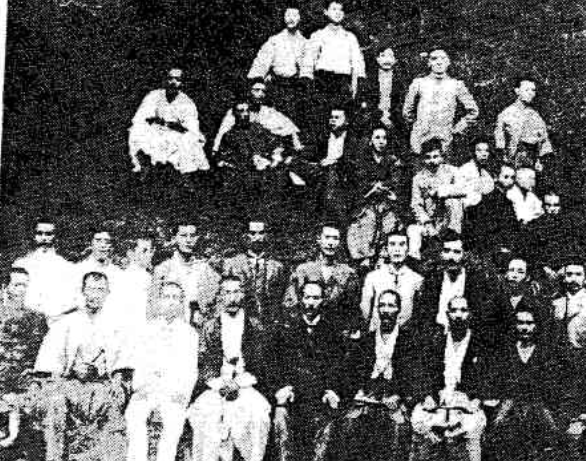
Yabu Kentsū (1866–1937) was a great fan and supporter of sumō in Okinawa. But he was not the only karate authority back in the days who was fascinated by the sport. Apart from Yabu, who occasionally acted as a referee at the Prefectural Sumō Tournament in Ônoyama Park, Funakoshi Gichin (1868–1957) is known to have… Continue reading
-
Article by Nakasone Genwa (1938)
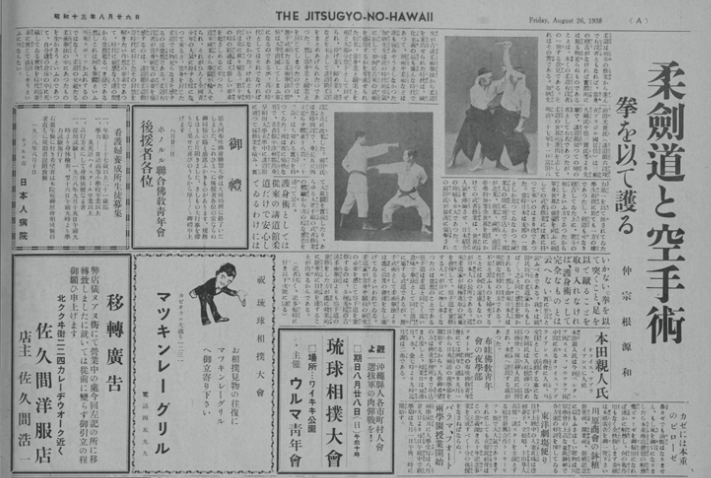
Nakasone Genwa 仲宗根源和 (1895–1978) was man of many talents. In his youth he studied karate briefly with Itosu Ankō 糸洲安恒 (1831–1915) at Shuri Middle School from which he graduated in 1913. Later he probably also was taught by Yabu Kentsū 屋部憲通 (1866–1937) at the Okinawa Normal School. Throughout the 1930s and early 1940s, he was… Continue reading
-
Review: German anthology on martial arts, combat sports and society
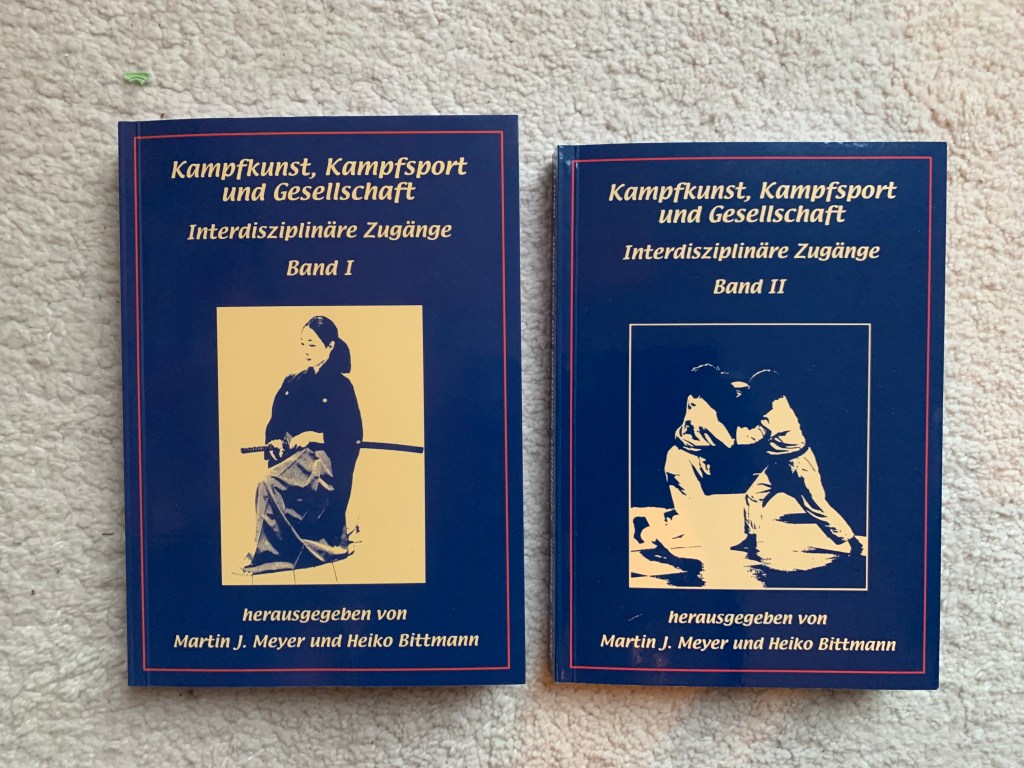
The ademic study of martial arts and combat sports is fortunately attracting growing interest. Michael Calandra, operator of the popular video podcast Martial Truth and himself a veteran master of various martial arts, even speaks of a golden age of martial arts research. A growing number of research works are now on the market. A… Continue reading
-
A note by Yabu Kentsū?
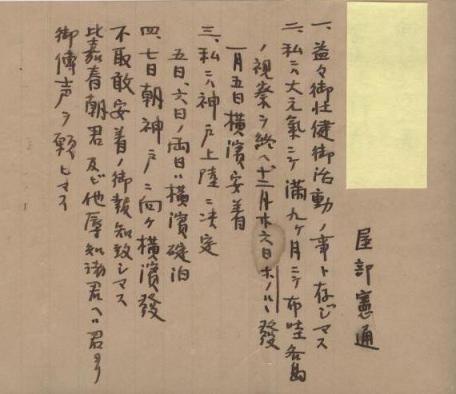
Written legacies of old karate masters are extremely rare. A note attributed to Yabu Kentsū 屋部憲通 (1866–1937) was shared by a well-known antique dealer from Okinawa. Here, Yabu is said to describe the route he took from Hawaii back to Okinawa in 1927. He may have recorded it for Miyagi Hisateru 久輝宮城 (1895–1991), a graduate… Continue reading
-
Why is it difficult to compare kata in historical discourse?
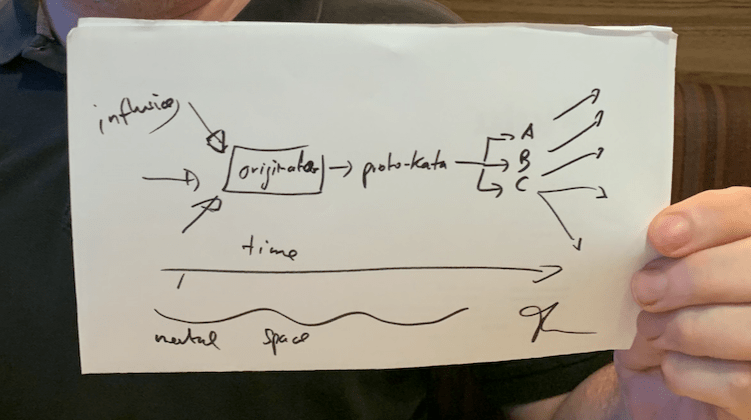
There have been repeated attempts to compare karate, especially kata from different styles, in order to draw conclusions about their origin or lineage. However, the methodical approach of analysing the movements and execution of kata has its weaknesses, because kata was and is not a fixed construct over time. Karate (and therefore kata) is constantly… Continue reading
-
New edition of Patrick McCarthy’s Tanpenshu
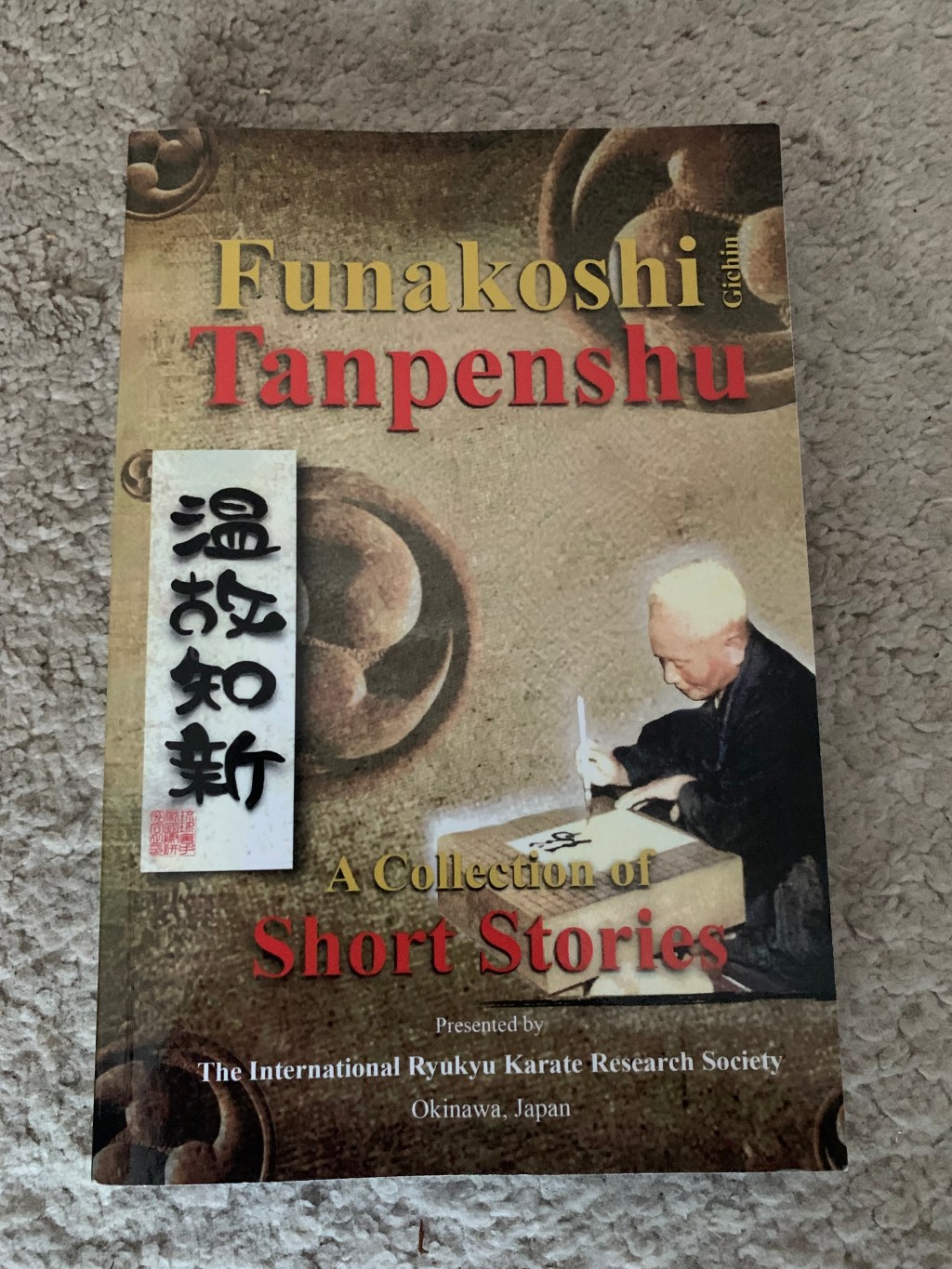
After a long wait, it’s finally here: the new edition of Patrick McCarthy’s Tanpenshu (2024). Funakoshi Gichin (1868–1957) was a fascinating figure in Japanese martial arts history and a peer of the karate masters Yabu Kentsū (1866–1937), Hanashiro Chōmo (1869–1945) and Motobu Chōki (1870–1944). Best known for popularising karate in mainland Japan, Funakoshi was also… Continue reading
-
Biography of Yabu Kentsū published
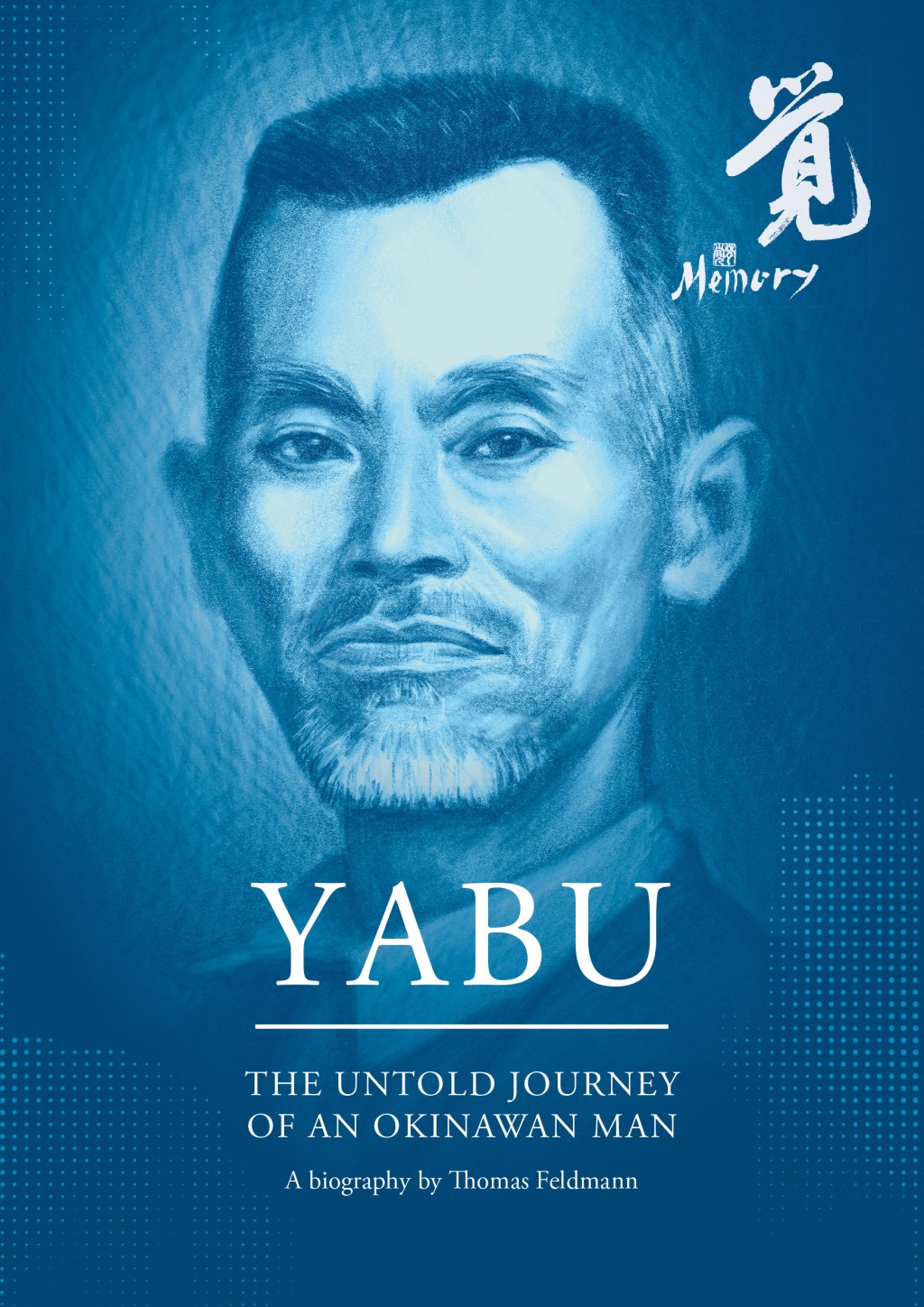
After three years of extensive research and writing my biography of Yabu Kentsū has finally been published. The book can be ordered here. About Yabu Kentsū Not so well known in the Western Hemisphere, Kentsū Yabu (1866–1937) is a pivotal figure in Okinawan history. Born in the small village of Yamakawa very close to Shuri,… Continue reading
-
Subscribe
Subscribed
Already have a WordPress.com account? Log in now.
 Investigations into the history of karate