japan
-
The 1927 photograph and the early misidentification of karate in Europe
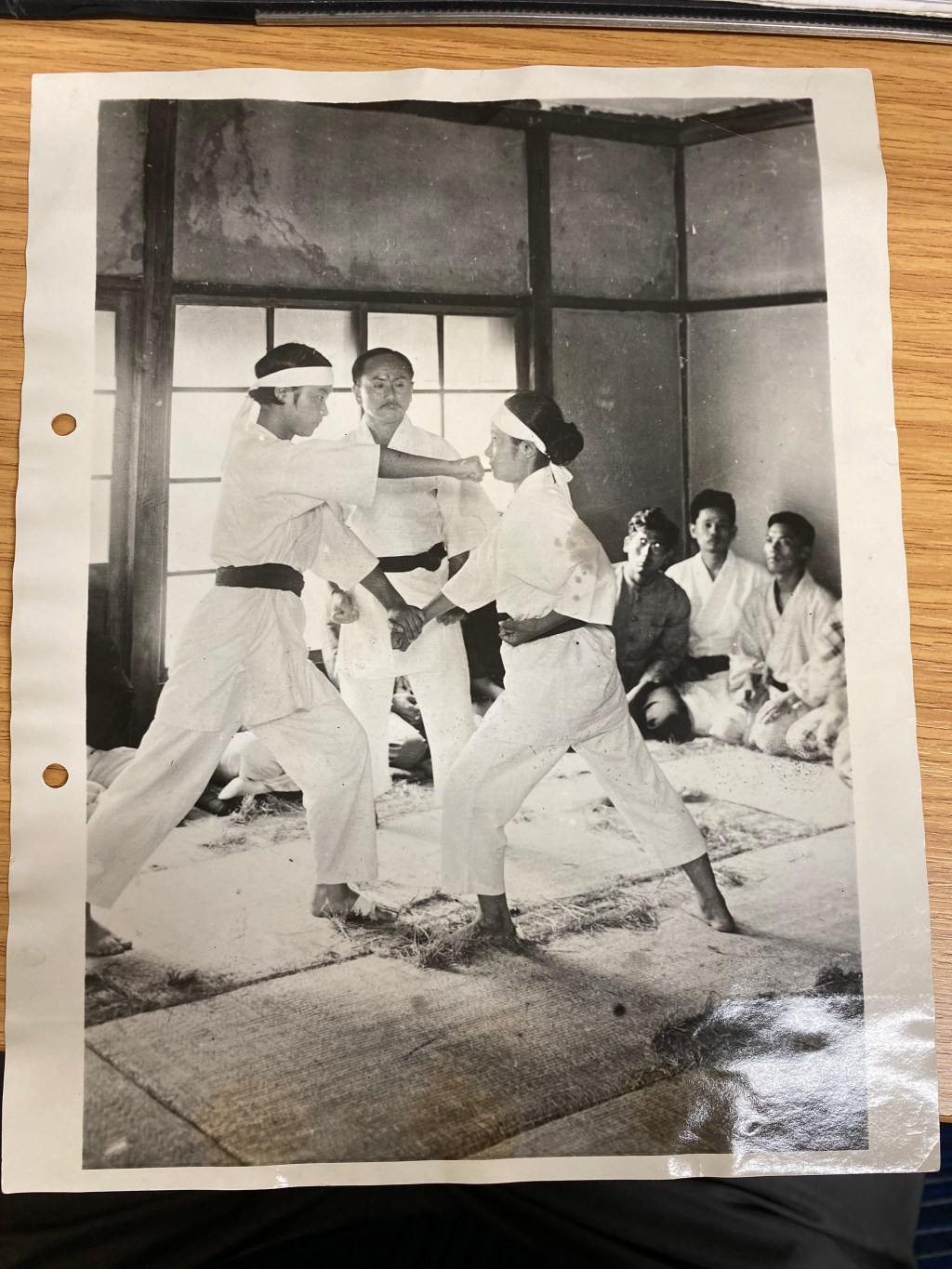
Knowledge about karate outside Japan before the end of the Second World War was extremely limited. Apart from a few early mentions in Western publications—such as those by Ernest Satow in 1872/3 and William Furness in 1899—information about the art remained scarce. There were, however, occasional points of contact. Overseas Okinawan communities, for example in… Continue reading
-
Investigations, Volume 2 available now
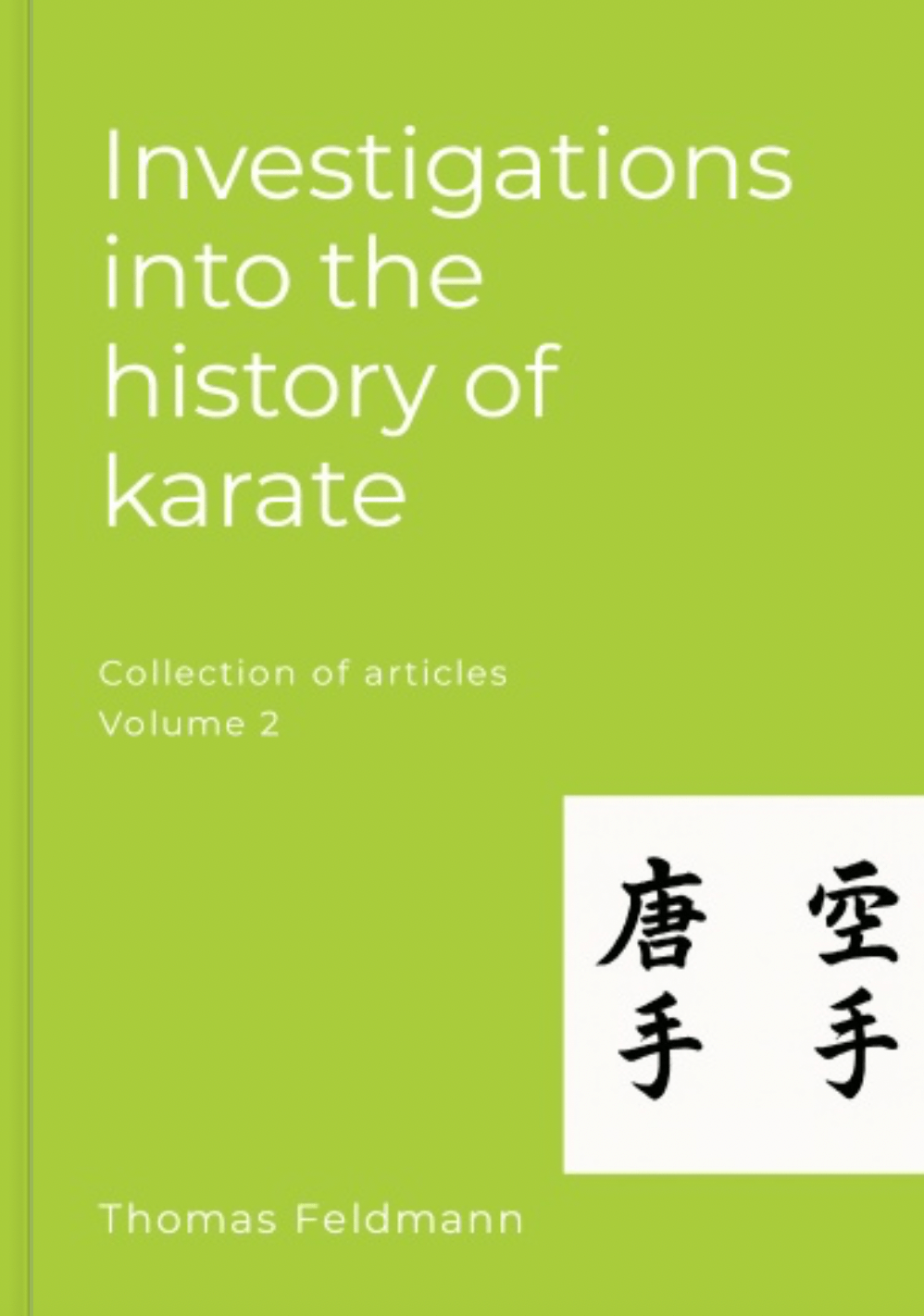
Volume 2 of “Investigations into the history of karate” is available now. Based on this blog, the book traces a range of historical contexts in which karate surfaces, from everyday settings such as plantations in Hawaiʻi around 1900 and personal diary entries from the early twentieth century. Other contributions draw on visual and textual sources,… Continue reading
-
Book about Izumikawa karate lineage published
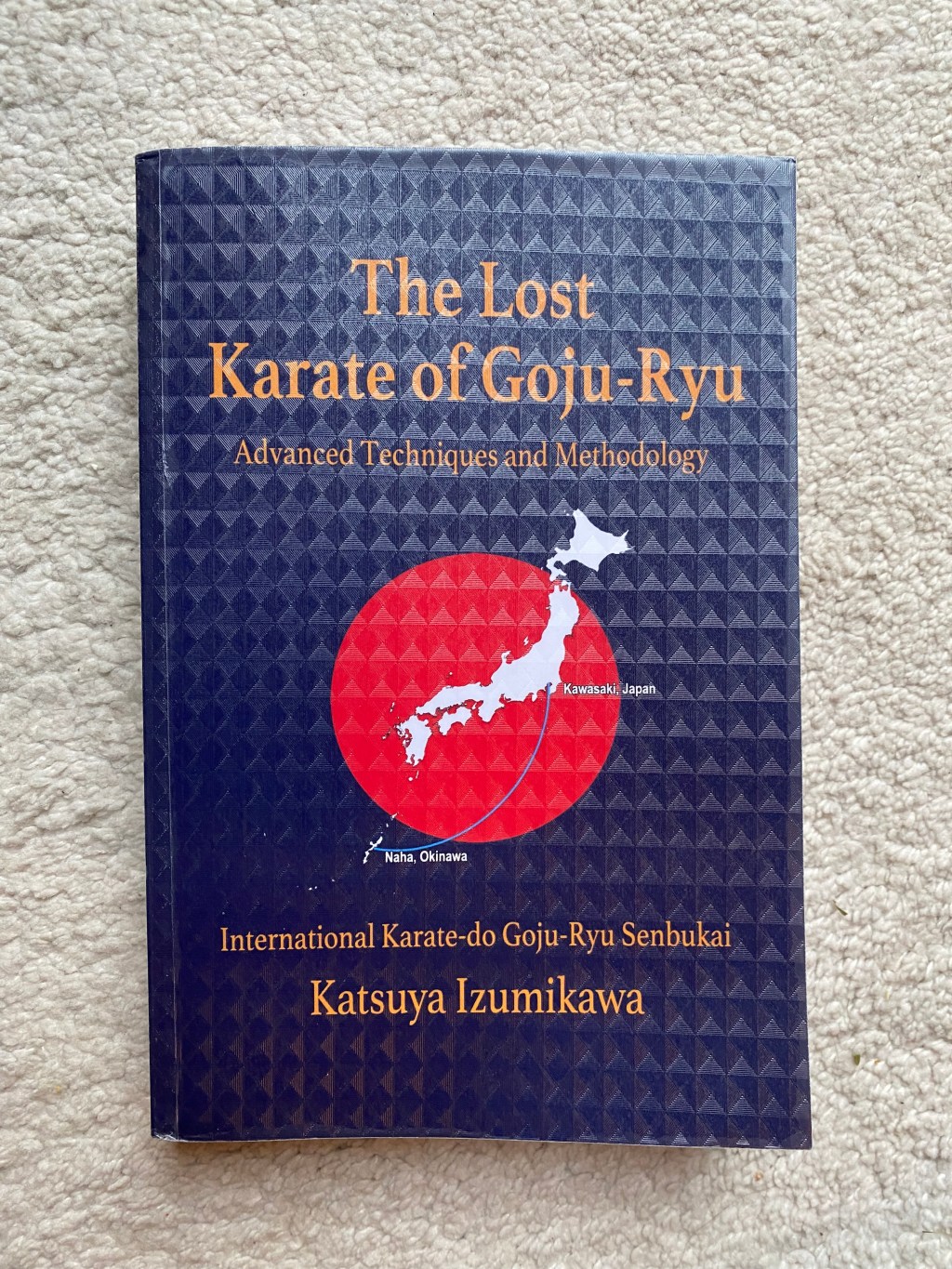
Last week, I received a personal copy of The Lost Karate Goju-ryū: Advanced Techniques and Methodology by Izumikawa Katsuya 泉川勝也. Izumikawa is the son of Izumikawa Kanki 泉川寛喜 (1908– 1967), the founder of Senbukai, who relocated from Okinawa to the Japanese mainland and established his dōjō in Kawasaki in 1939—the first Goju-ryū school on the… Continue reading
-
Bringing Funakoshi Gigō’s thoughts to English readers for the first time
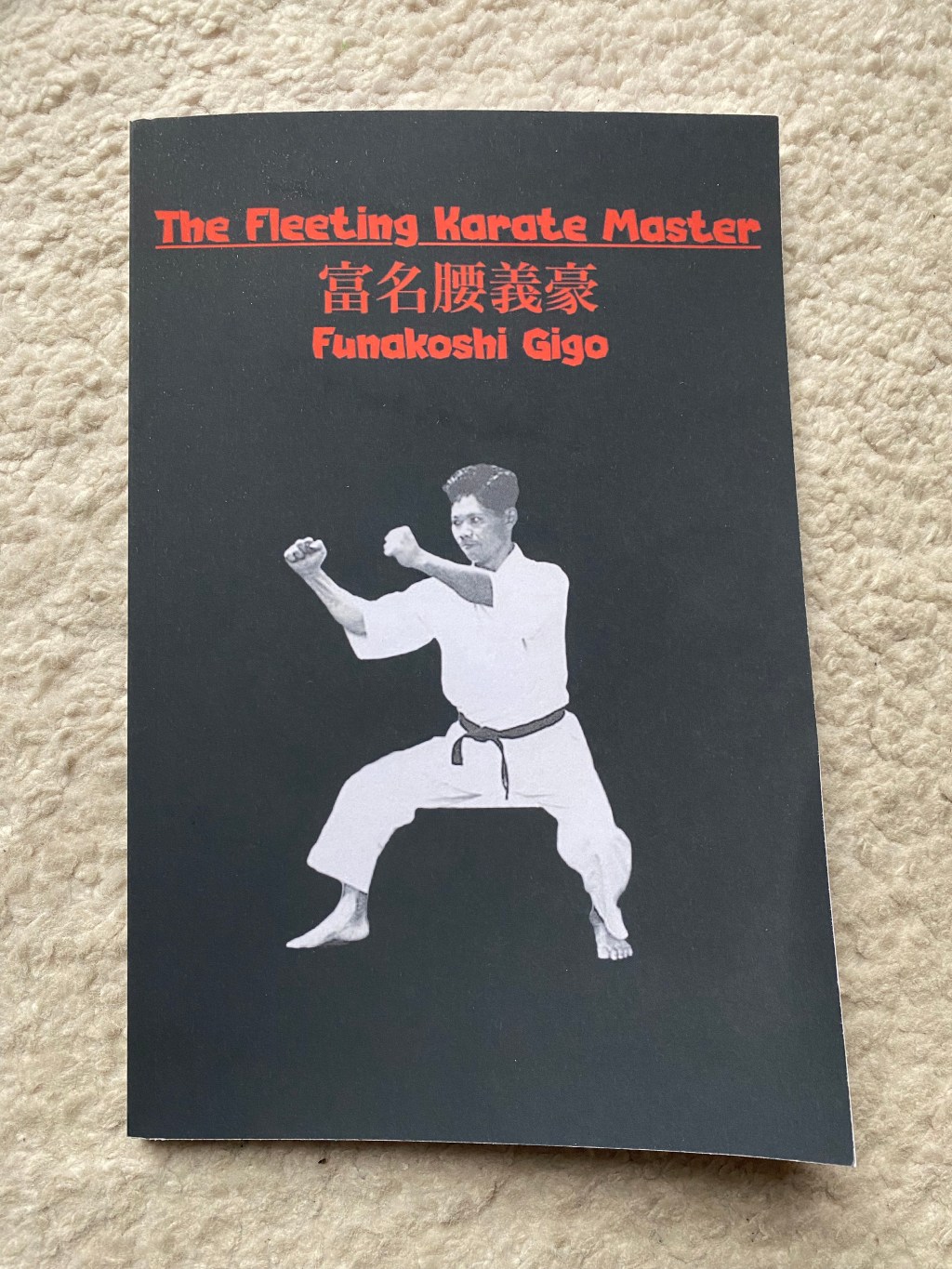
Eric Shahan, a highly accomplished translator known for his numerous English editions of classic Japanese martial arts texts—from ninjutsu and jūjutsu treatises to seminal karate works by masters such as Mabuni Kenwa and Motobu Chōki—once again delivers a remarkable contribution to the study of traditional martial arts. With The Fleeting Karate Master: Funakoshi Gigō, his… Continue reading
-
The physics of karate: A chapter in modern karate history
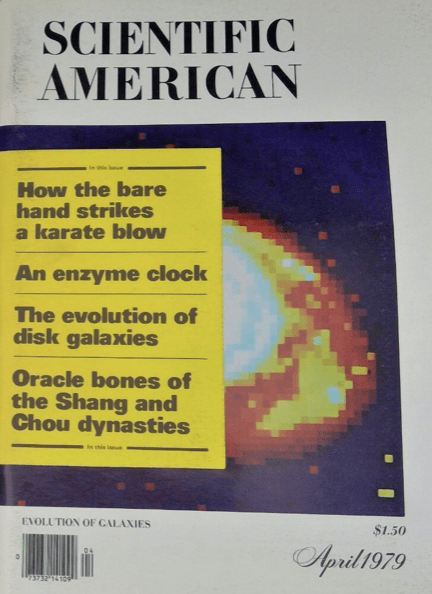
The study of karate is multifaceted. In addition to its history, sports science, pedagogy, psychology, anthropology, sociology, philosophy, religious studies, media and film studies, researchers have also explored the physics of karate. First studies Scholarly interest in this subject in the Western Hemishpere likely began around the mid-1960s. On July 2, 1966, J. A. Vos… Continue reading
-
Yamakawa – Ancestral home of karate masters
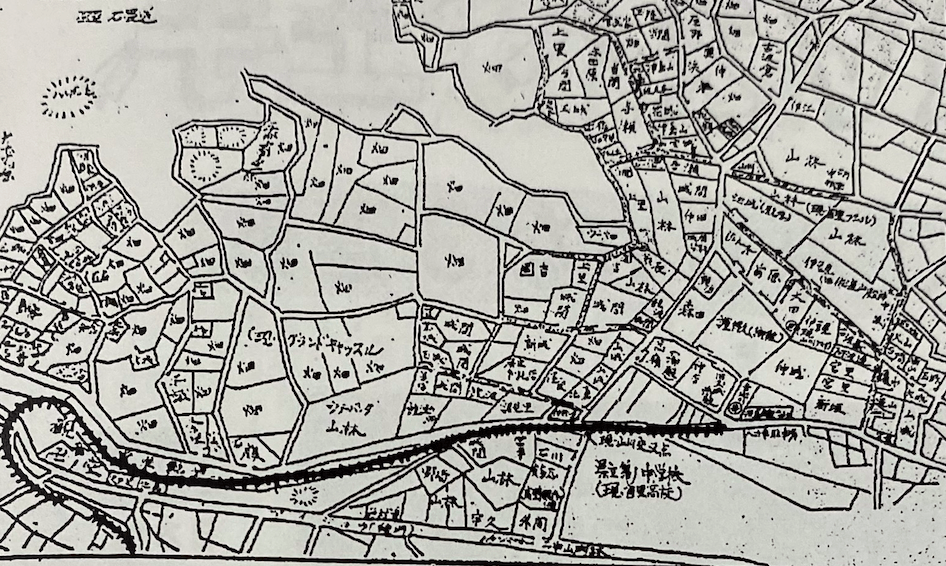
Yamakawa, a district in Shuri (Okinawa) just a few minutes’ walk from Shuri Castle, was once home to many aristocratic families—the scholar-officials of the Ryūkyū Kingdom. The neighborhood looked much like a traditional Ryūkyūan village, with both small and large houses that reflected the social status of their residents. The homes were wooden and single-storied,… Continue reading
-
The Graham Noble Collection
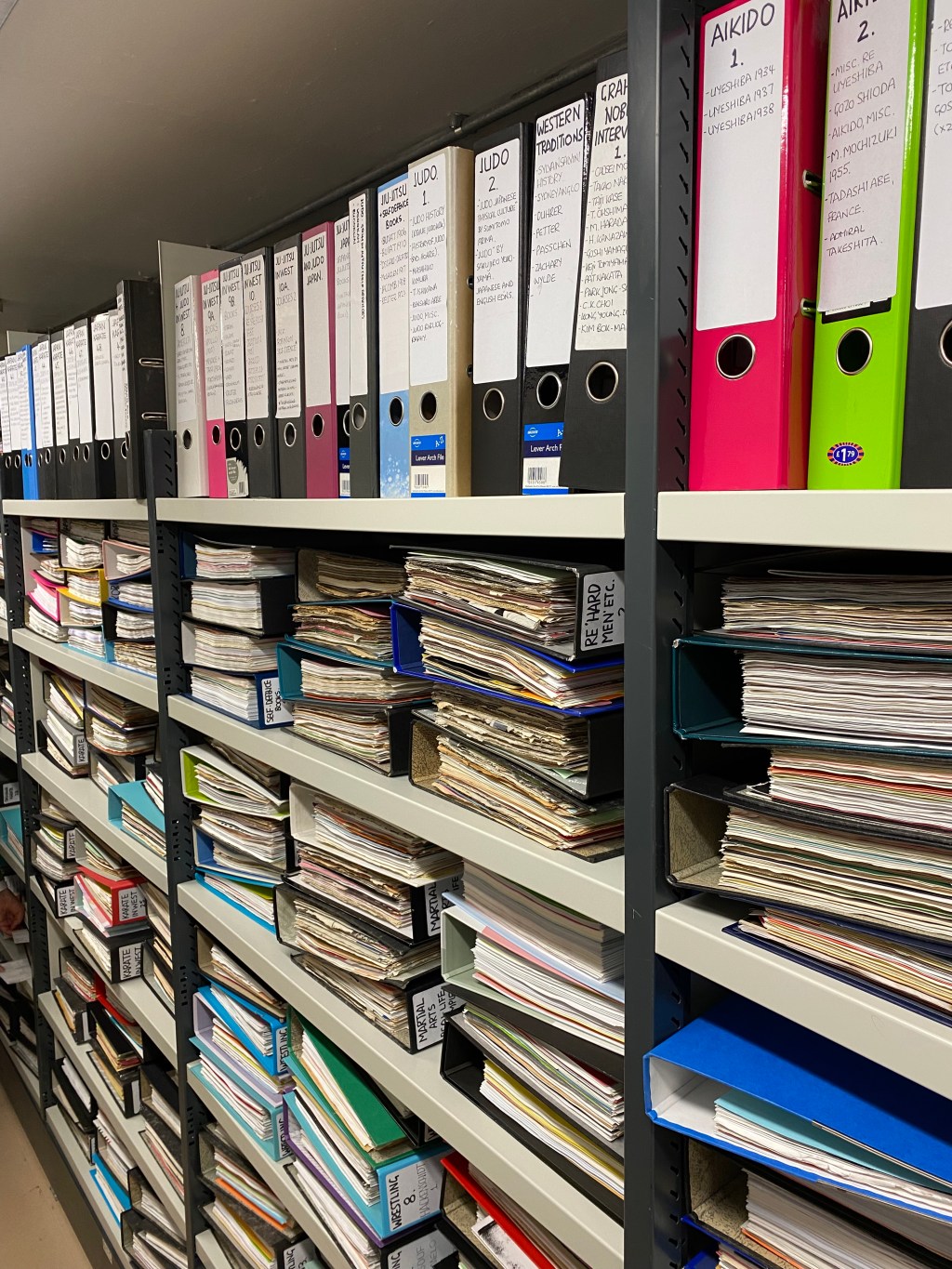
For martial arts research, private collections are of inestimable value alongside libraries and archives. One such collection is that of Graham Noble. Graham Noble was born in 1949 and became interested in karate and its history in the mid-1960s. Seeing that reliable information on the martial arts, especially karate, was scarce, Graham set about gathering… Continue reading
-
The blog as a book

Karate’s history is richer and more complex than popular narratives often suggest. Based on this blog, Investigations into the history of karate (Lulu, 2025) brings together a diverse collection of essays that explore the art’s overlooked figures, pivotal moments, and forgotten contexts. From the pioneers of Hanashiro Chōmo and Yabu Kentsū to the appearance of karate… Continue reading
-
Karate footage from 1938/9
Recently, I came across the TV documentary Japan – A Living Travel Book. Sponsored by the Japan Society for International Cultural Relations, the film was likely produced in 1938 by James Farquharson Leys (1901–1999), a Canadian author, historian, and radio broadcaster. A Living Travel Book is a documentary that portrays Japan in the late 1930s. It offers… Continue reading
-
Book review: The Seven Innermost Techniques of Toyama Kanken
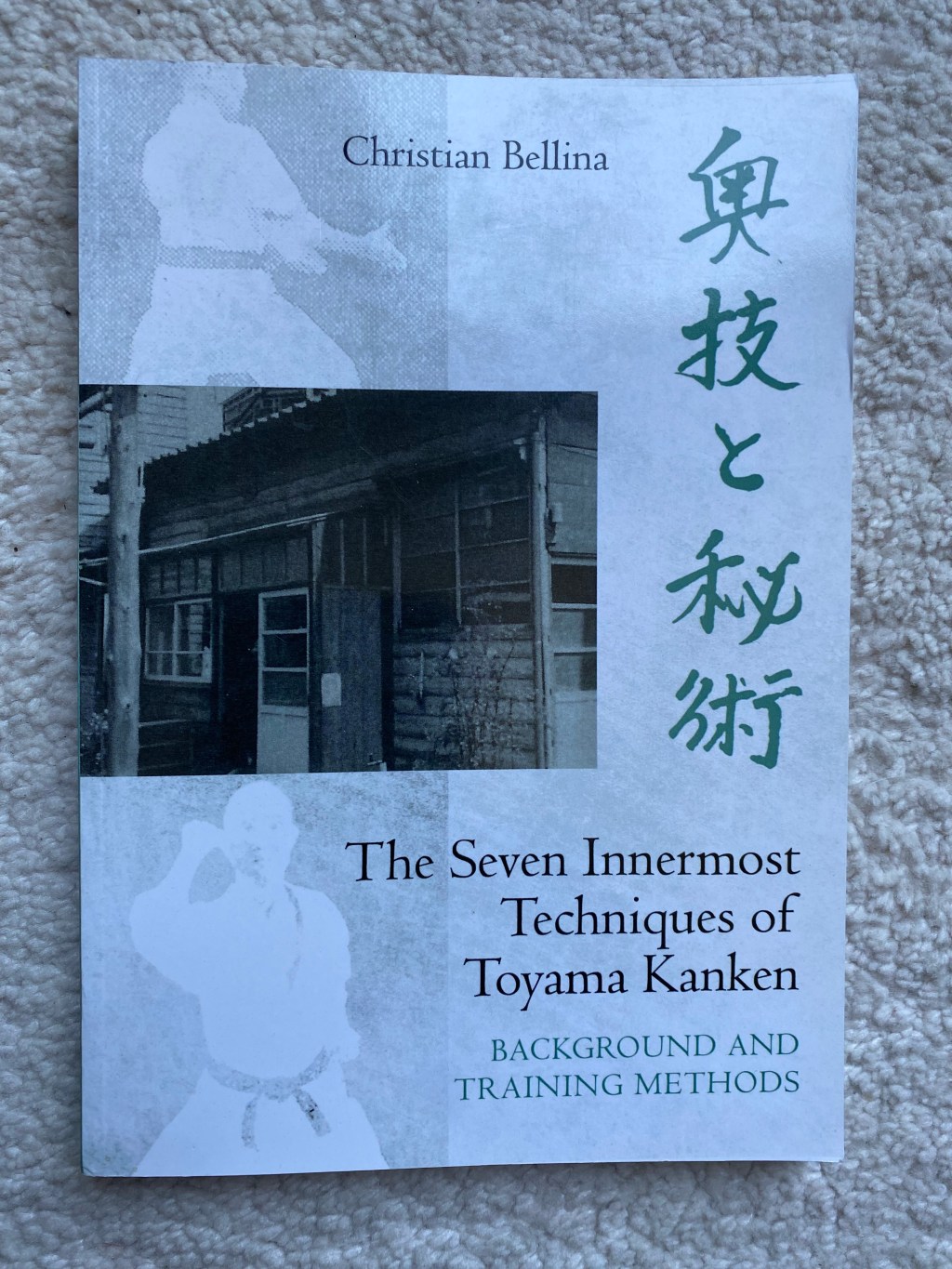
Tōyama Kanken (1888–1966) was a prominent figure in karate, having trained under masters such as Itosu Ankō (1831–1915) and Higaonna Kanryō (1853–1915). He founded the Shūdōkan dōjō in Tōkyō in 1930 and was instrumental in teaching and spreading karate in Japan. Despite his contributions, he remains less well known than contemporaries such as Funakoshi Gichin… Continue reading
 Investigations into the history of karate