-
New study explores connections between Korean and Ryūkyūan martial arts
A new study in Martial Arts Studies—a peer-reviewed, open-access journal dedicated to high-quality research on the sociocultural dimensions of martial arts and combat sports—examines historical links between Korea and the Ryūkyū Islands in the development of karate. The study opens by critiquing the traditionalist historiography of taekwondo, grounded in the view positing that Korean martial… Continue reading
-
The Graham Noble Collection
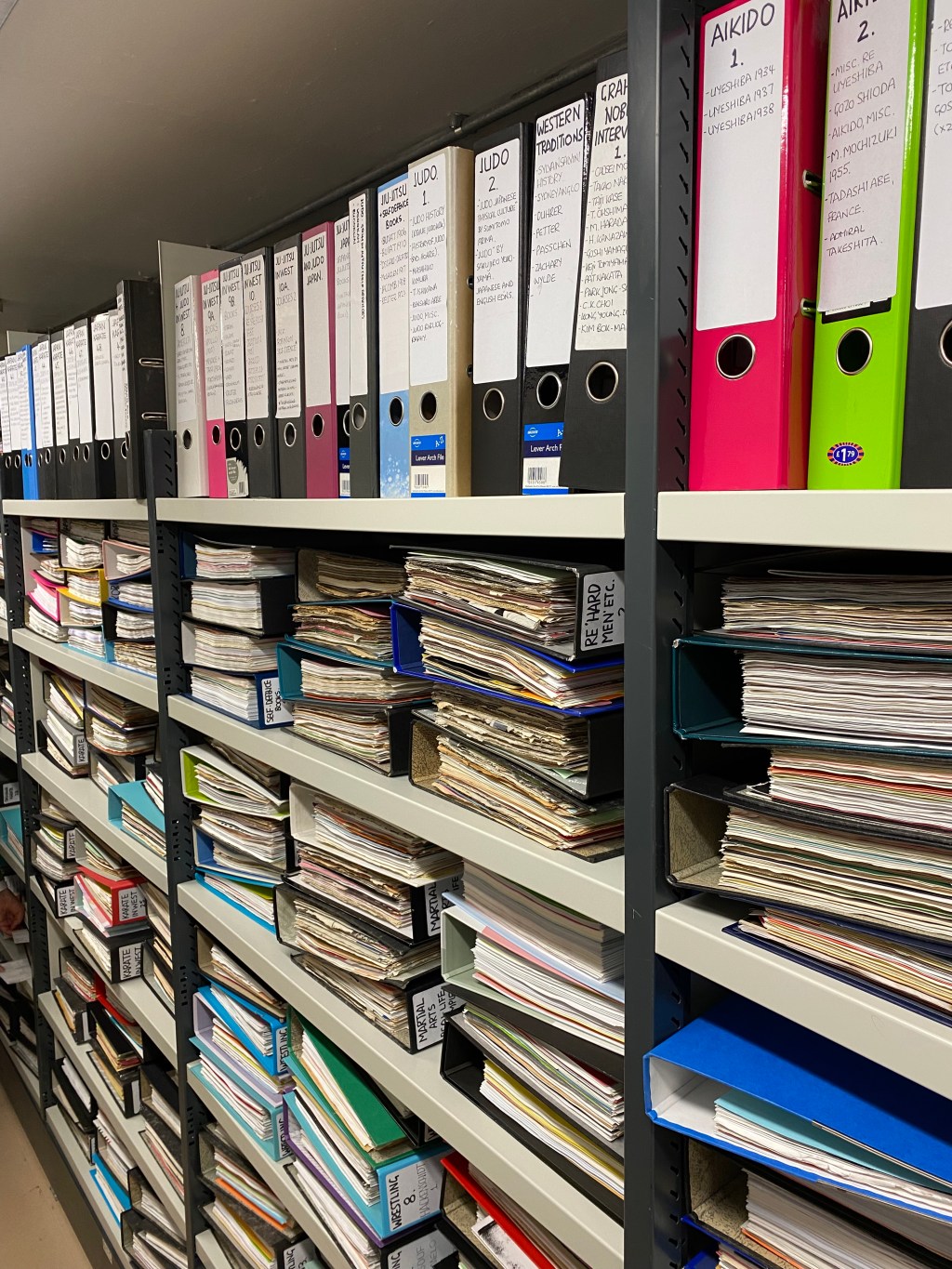
For martial arts research, private collections are of inestimable value alongside libraries and archives. One such collection is that of Graham Noble. Graham Noble was born in 1949 and became interested in karate and its history in the mid-1960s. Seeing that reliable information on the martial arts, especially karate, was scarce, Graham set about gathering… Continue reading
-
Kosugi Hōan diary (1922)
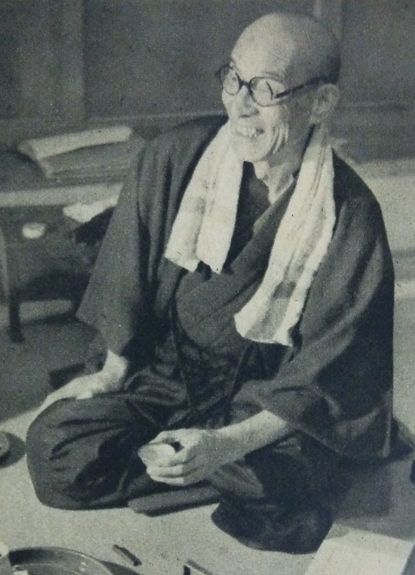
The artist Kosugi Hōan 小杉放庵 (born Kosugi Kunitarō, 1881–1964) was one of the first students of Funakoshi Gichin (1868–1957) on the mainland after the latter’s arrival in Tōkyō in 1922. We owe to him the cover design of Funakoshi’s first book, published in November 1922. Kosugi also left us an important account in the June 1930 issue… Continue reading
-
Correcting a case of mistaken identity
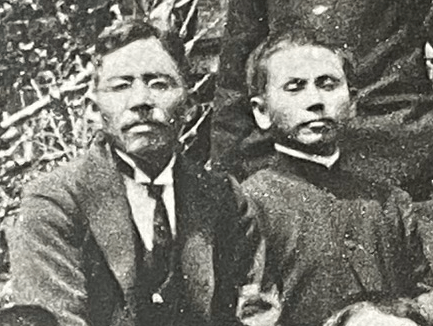
One of the key challenges in research is that one can sometimes follow the wrong path and arrive at incorrect conclusions. In karate historiography, prominent examples include the once-common theory that a weapons ban in Ryūkyū was the reason for the development of karate, and a group photo in which Itosu Ankō 糸洲安恒 (1831–1915) was… Continue reading
-
A linguistic glimpse into the martial arts of Fuzhou
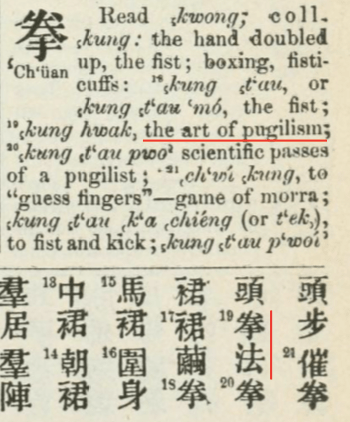
To gain deeper insights into the origins of karate, it is essential to look more closely toward China. Over the years, there has been continuous bilateral exchange among martial artists and groups. However, scholarly research—particularly the analysis of primary and secondary sources regarding cultural exchange between the Chinese Empire and the Ryūkyū Kingdom in relation… Continue reading
-
The blog as a book

Karate’s history is richer and more complex than popular narratives often suggest. Based on this blog, Investigations into the history of karate (Lulu, 2025) brings together a diverse collection of essays that explore the art’s overlooked figures, pivotal moments, and forgotten contexts. From the pioneers of Hanashiro Chōmo and Yabu Kentsū to the appearance of karate… Continue reading
-
Karate footage from 1938/9
Recently, I came across the TV documentary Japan – A Living Travel Book. Sponsored by the Japan Society for International Cultural Relations, the film was likely produced in 1938 by James Farquharson Leys (1901–1999), a Canadian author, historian, and radio broadcaster. A Living Travel Book is a documentary that portrays Japan in the late 1930s. It offers… Continue reading
-
When Kōdōkan integrated karate into its curriculum

Kanō Jigorō (嘉納治五郎, 1860–1938) undertook a visit to Okinawa and Kyūshū in 1927. Although no photographs of the trip are known to exist today—indeed, the Kōdōkan Archives has no record of any—it was prominently documented in the Kōdōkan publication Sakkō, No. 3 (1927), which featured a detailed account of Kanō’s stay. Interestingly, just two issues… Continue reading
-
Karate in a propaganda film of 1945

Historical footage of karate is exceedingly rare. Nevertheless, there are indeed pre-World War II recordings that offer brief but valuable insights into karate as it existed in a particular place and time. One such example is the American propaganda film Know Your Enemy: Japan, which was released on August 9, 1945—shortly before the war’s end—and… Continue reading
-
Anecdote about “hidden warrior” Hanashiro Chōmo

Hanashiro Chōmo (1869–1945) played a significant role in the development of modern karate. Despite his importance, he remains underrepresented in historical discourse. Fortunately, several written sources preserve his legacy. I recently came across one such example in the 1997 publication 沖縄の昔面影 Okinawa no mukashi omokage (Remnants of Old Okinawa), in which the author, Kinjō Kazuhiko… Continue reading
-
Subscribe
Subscribed
Already have a WordPress.com account? Log in now.
 Investigations into the history of karate