-
Yabu Kentsū talks about voluntarily joining the Army
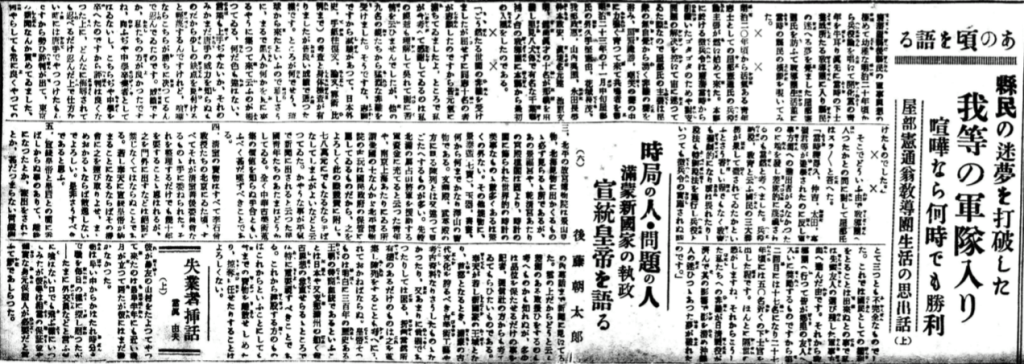
Yabu Kentsū (1866–1937) is one of the most important figures in the development of modern karate. He was instructed in karate, the civil fighting arts of Ryūkyū, from a young age by Matsumura Sōkon (1809–1899) and Itosu Ankō (1831–1915). It is well known that Yabu voluntarily joined the Japanese Army in 1890. But it is… Continue reading
-
When karate was introduced in Okinawan schools
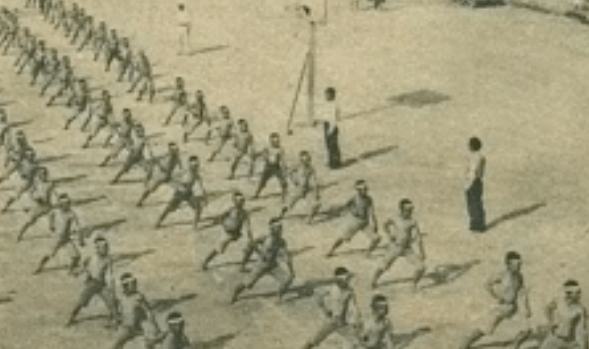
There is a discussion about when exactly karate was introduced into Okinawan schools. In the literature we find the following: (1) Ryūkyū Shimpō (1905): “At the end of last year [1904], the staff of this [middle] school thought there might be some benefit to be found in karate, and immediately began researching the issue.“ (2)… Continue reading
-
Review: Introduction to Karate-Do. Its Inner Techniques and Secret Arts
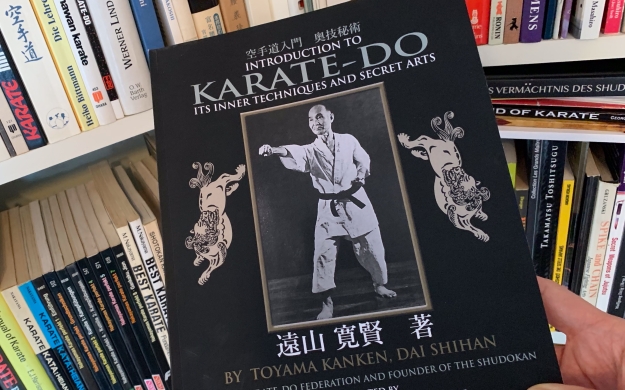
The book has been in my possession for several weeks. Now I would like to congratulate Tobey Stansbury for his great work. In Introduction to Karate-Do. Its Inner Techniques and Secret Arts (2019) Stansbury offers his translations of the books Karate-dō Okugi Hijutsu 空手道 : 奥技秘術 (1956) and Karate-dō Nyūmon 空手道入門 (1967) by Tōyama Kanken 遠山寬賢(1888–1966),… Continue reading
-
Review: Motobu book from 1932 newly translated
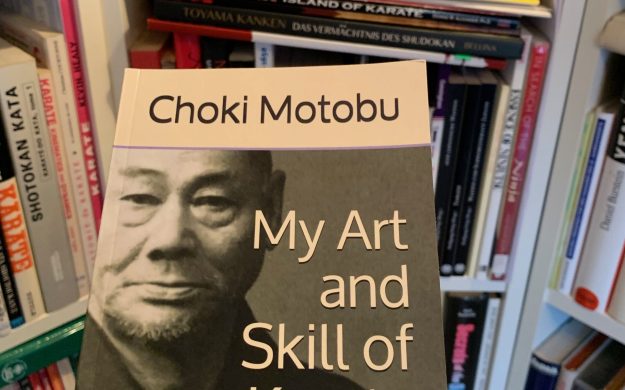
Motobu Chōki 本部 朝基 (1870–1944) is one of today’s best-known representatives of Ryūkyū martial arts and an important contemporary witness of Okinawa in the late 19th century and early 20th century. Not only did he learn from Matsumura, Matsumora, Tokumine and Sakuma, he was also a student of Itosu Ankō (1831–1915) for several years, under… Continue reading
-
1851 English-Loochooan dictionary with references to martial arts
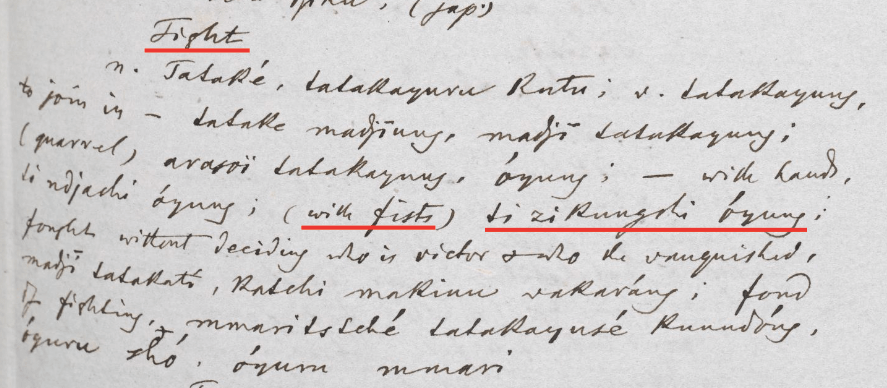
From 1846 until 1854, Bernard Jean Bettelheim (1811–1870), a Hungarian born Christian missionary lived with his family in the Gokoku-ji 護国寺 temple in Okinawa. Bettelheim despite of all the problems he caused the Ryūkyūan officials, he was an attentive observer of many things around. In the course of his year-long stay, he worked on a… Continue reading
-
Review of important German karate history book
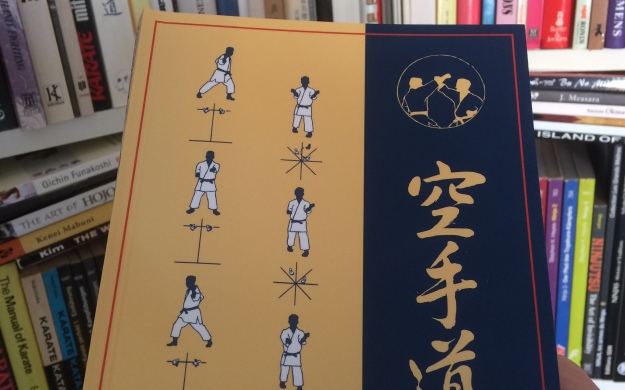
Heiko Bittmann has been one of the most important German experts in the teachings and history of karate, not least since his highly acclaimed German dissertation Karatedō. Der Weg der Leeren Hand (Karatedō. The Way of the Empty Hand) (1999). This was followed in 2000 by Die Lehre des Karatedō (The teachings of Karatedō), a… Continue reading
-
Review: Toyama Kanken: The Heritage of Shudokan
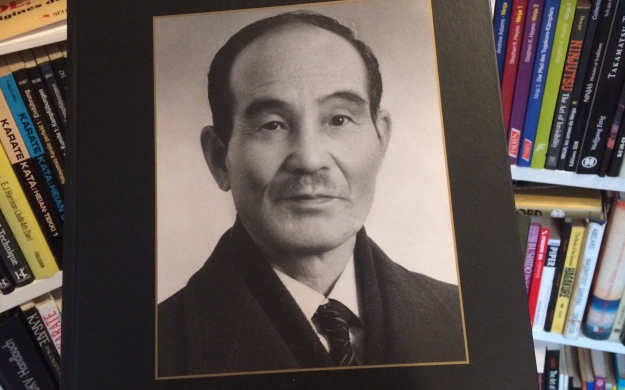
This year, a biography of Tōyama Kanken (1888–1966) was published in both German and English. On 236 pages, it deals with the life and work of the karate master who opened his first dōjō, the Shūdōkan, in Tōkyō in 1930. Tōyama Kanken was a student of Itosu Ankō and Higaonna Kanryō, and also learned from… Continue reading
-
Interview with Joachim Laupp

When he first set foot on the island of Okinawa more than 35 years ago, he could not have imagined where his journey would take him. Today, Joachim Laupp (9th Dan Hanshi) is the official representative of Shōrin-ryū Shidōkan in Germany and Europe and teaches hundreds of students throughout Europe. Mr. Laupp, what was it… Continue reading
-
Review of Stephen Turnbull: Ninja: Unmasking the Myth
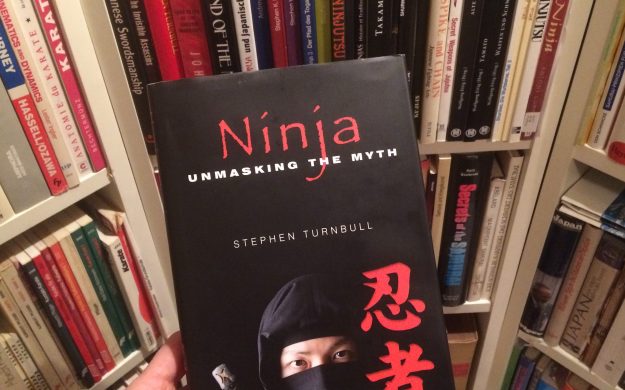
For the academic study of karate, it is always important to think outside the box. I regularly look to see what’s new on the publication market and what scholarly approach the authors have chosen for their research of other martial arts disciplines. It has been a long time coming. But now Stephen Turnbull’s new book… Continue reading
-
Review: About authenticity and hybridity in Capoeira Angola
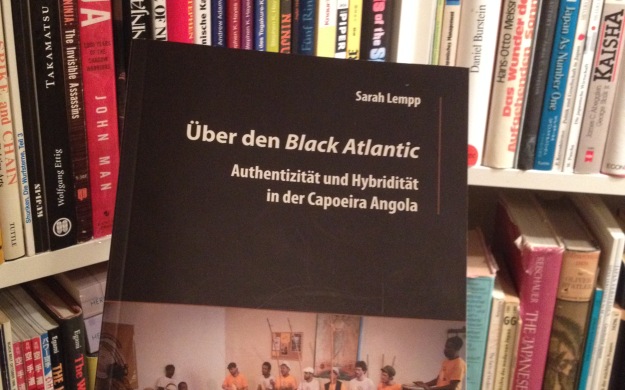
For the academic study of karate, it is also important to think outside the box. I always look to see what’s new on the market and what scholarly approach the authors have chosen for their research of other martial arts disciplines. Compared to other body cultures such as the Olympic martial arts disciplines of jūdō… Continue reading
-
Subscribe
Subscribed
Already have a WordPress.com account? Log in now.
 Investigations into the history of karate