-
Analysis of 1940 karate clip
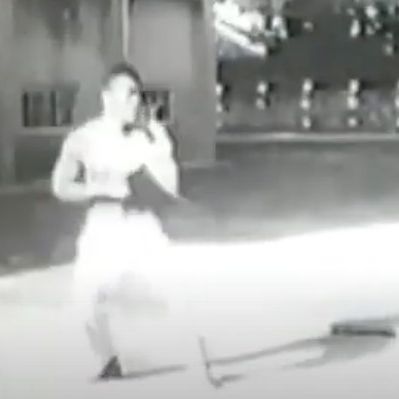
In the reportage “Ryūkyū no Fūbutsu” 琉球の風物 (Ryūkyū scenery), karate in Okinawan was probably captured on film for the first time. Yanagi Muneyoshi 柳宗悦 (1889–1961), founder of the Japanese folk art movement, traveled to Okinawa with his team in 1940 and captured the unique karate training scenes. Recently, Sakihara Kyōko from the Okinawa Prefectural Museum… Continue reading
-
Karate mentioned in a diary from 1911?
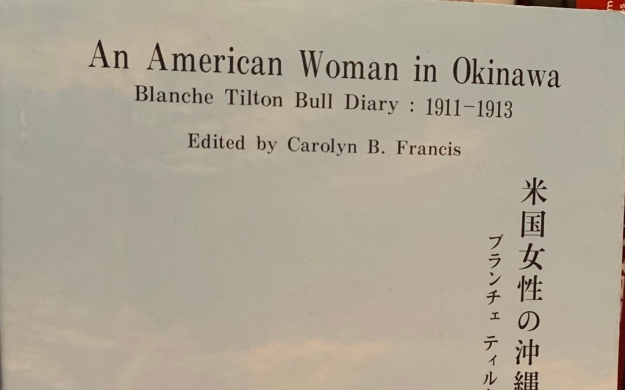
There is a certain fascination with early descriptions of the indigenous martial arts of Ryūkyū in Western literature. The overviews are numerous. In this context, we certainly think of the “boxer’s position of defense” mentioned by Basil Hall (1818), the “well-trained fighter” described by Ernest M. Satow (1873) who “can smash a large earthen water-jar,… Continue reading
-
Review: About the changing values in kyūdō
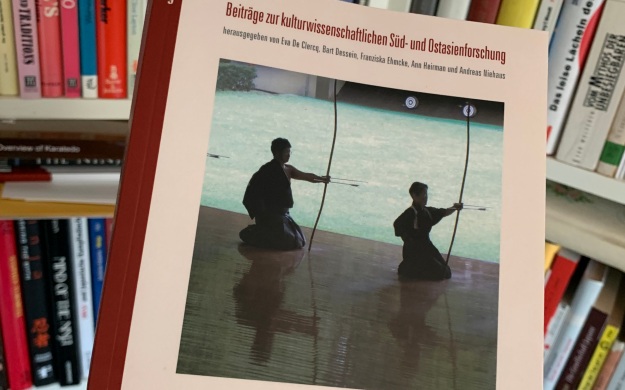
For the academic study of karate, it is always important to think outside the box. I regularly look to see what’s new on the publication market and what scholarly approach the authors have chosen for their research of other martial arts disciplines. Kyūdō 弓道 or the “way of the bow” is the art of Japanese… Continue reading
-
Tracing the forgotten masters
Before World War II, thousands of people left the Ryūkyū Islands and emigrated overseas. The first wave of emigration was to Hawaii in the early 20th century, followed by a wave to various Pacific islands in the 1920s and several migrations to America. Although these emigration movements are fairly well researched, not much is known… Continue reading
-
Master Funakoshi 1937 in Korea

Funakoshi Gichin 船越義珍 (1868–1957) is known as the father of modern karatedō. In 1922, he left his home Okinawa for Tōkyō and demonstrated his karate at various occasions and eventually decided to devote his further life to spread the benefits of a lifelong karate training. His efforts were extensive. He wrote articles and books about… Continue reading
-
Articles on unveiling of the Itosu monument in 1964
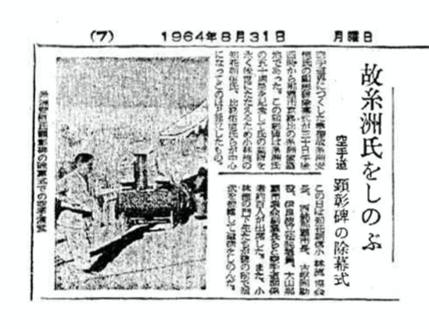
On May 30, 1964, Master Chibana Chōshin 知花朝信 (1885–1969) and adoptive grandson Itosu Angō 糸洲安剛 (1915–1996) gathered family, friends, karateka and officials to remember Itosu Ankō 糸洲安恒 (1831–1915). Very close to his burying place in Furushima 古島 in Mawashi, a stone monument was unveiled to commemorate the venerable master. On that occasion, speeches were held… Continue reading
-
When did Funakoshi Gichin start training with his masters?
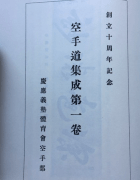
Funakoshi Gichin 船越義珍 (1868–1957) is an important source for research into the life and times of Itosu Ankō 糸洲安恒 (1831–1915). His publications contain numerous descriptions of Itosu’s activities. According to Funakoshi, he himself began learning karate from Itosu at a young age, probably as one of Itosu’s first students in Okinawa in the early 1880s.… Continue reading
-
Review: Karatedō Kyōhan now also available in German
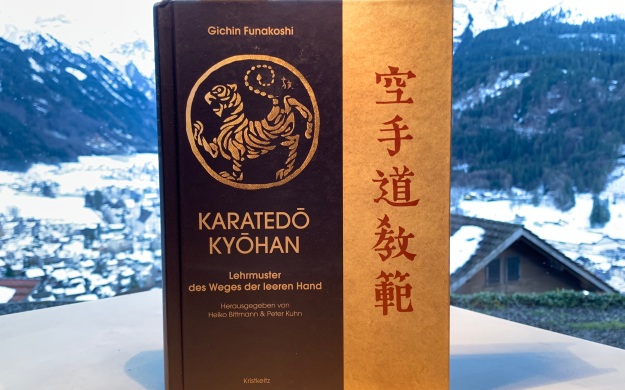
The first German translation of Funakoshi Gichin’s third book, Karatedō Kyōhan 空手道教範 (1935), has just been published. Lehrmuster des Wegs der leeren Hand was published by Werner Kristkeitz in Heidelberg, a publisher that has made a name for itself in Germany by publishing literature on Zen, Buddhism and Asian martial arts. For almost two years,… Continue reading
-
Itosu-Tokashiki family connection
Yesterday, I could obtain an extract of the book Ryūkyū genbunroku 琉球見聞錄 originally written in 1914 by Kishaba Chōken 喜舎場朝賢 (1840–1916), a Ryūkyūan official at the end of the Ryūkyū Kingdom. In his book, he recorded the process of the abolishment of the Ryūkyū Kingdom (1879) from the Ryūkyūan point of view. Interestingly, in his… Continue reading
-
Magazine article about Itosu Ankō
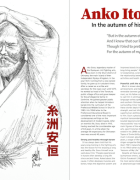
I wrote an article about Itosu Ankō (1831–1915) for the new issue of the martial arts magazine “Bugeisha. Traditional Martial Artist”. In it, I mainly look at his last years. The article “Anko Itosu. In the autumn of his life” is available on Amazon. Continue reading
-
Subscribe
Subscribed
Have a WordPress.com account? Log in now.

