-
1851 English-Loochooan dictionary with references to martial arts
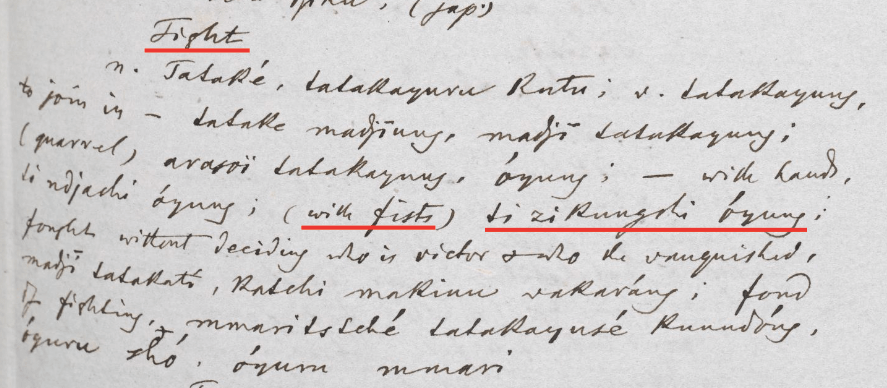
From 1846 until 1854, Bernard Jean Bettelheim (1811–1870), a Hungarian born Christian missionary lived with his family in the Gokoku-ji 護国寺 temple in Okinawa. Bettelheim despite of all the problems he caused the Ryūkyūan officials, he was an attentive observer of many things around. In the course of his year-long stay, he worked on a… Continue reading
-
Review of important German karate history book
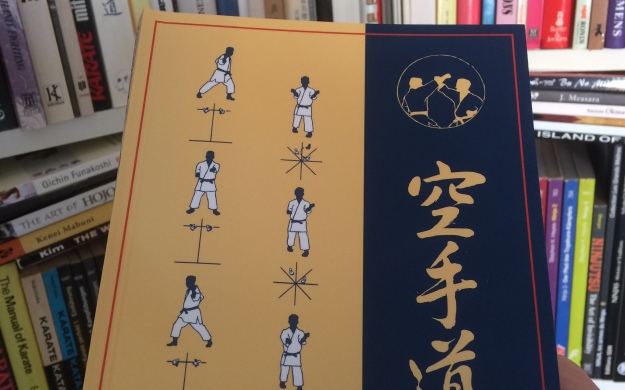
Heiko Bittmann has been one of the most important German experts in the teachings and history of karate, not least since his highly acclaimed German dissertation Karatedō. Der Weg der Leeren Hand (Karatedō. The Way of the Empty Hand) (1999). This was followed in 2000 by Die Lehre des Karatedō (The teachings of Karatedō), a… Continue reading
-
Review: Toyama Kanken: The Heritage of Shudokan
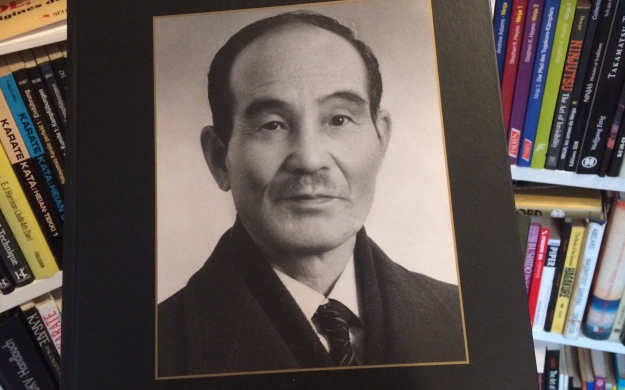
This year, a biography of Tōyama Kanken (1888–1966) was published in both German and English. On 236 pages, it deals with the life and work of the karate master who opened his first dōjō, the Shūdōkan, in Tōkyō in 1930. Tōyama Kanken was a student of Itosu Ankō and Higaonna Kanryō, and also learned from… Continue reading
-
Interview with Joachim Laupp

When he first set foot on the island of Okinawa more than 35 years ago, he could not have imagined where his journey would take him. Today, Joachim Laupp (9th Dan Hanshi) is the official representative of Shōrin-ryū Shidōkan in Germany and Europe and teaches hundreds of students throughout Europe. Mr. Laupp, what was it… Continue reading
-
Review of Stephen Turnbull: Ninja: Unmasking the Myth
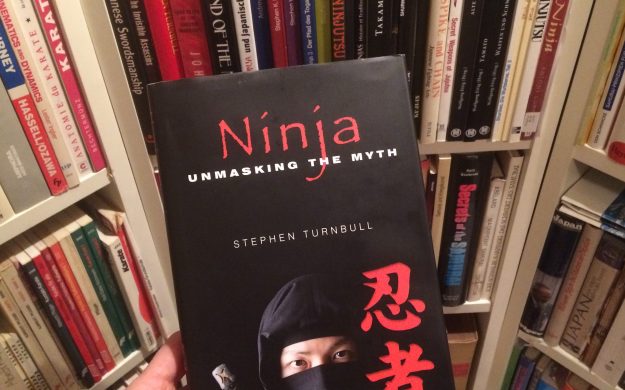
For the academic study of karate, it is always important to think outside the box. I regularly look to see what’s new on the publication market and what scholarly approach the authors have chosen for their research of other martial arts disciplines. It has been a long time coming. But now Stephen Turnbull’s new book… Continue reading
-
Review: About authenticity and hybridity in Capoeira Angola
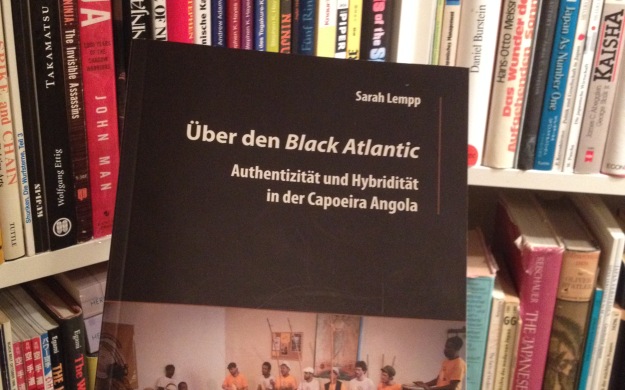
For the academic study of karate, it is also important to think outside the box. I always look to see what’s new on the market and what scholarly approach the authors have chosen for their research of other martial arts disciplines. Compared to other body cultures such as the Olympic martial arts disciplines of jūdō… Continue reading
-
Review: An Introduction to the Historic, Cultural, and Social Phenomenon of Okinawan Karate

Academic works on the historical and cultural background of karate are rare. Many, once submitted as diploma or master’s theses at technical colleges or universities, usually lie dormant unpublished in drawers at home. However, it is an essential part of science that results must be published. Only in this way can they be utilized as… Continue reading
-
Review: Bibliography of Japanese Karate and Kobudo
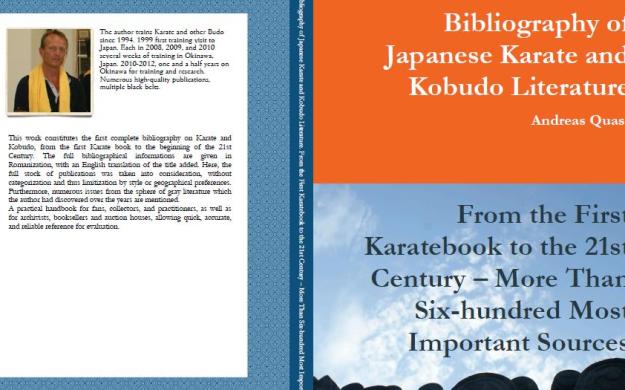
The academic study of the Japanese martial arts has only gained momentum in recent decades. An important component of research is the use of original sources. Even in the age of the Internet and online OPACs, a bibliography is an essential tool for researching sources. For the martial arts disciplines of karate and kobudō, Andreas… Continue reading
-
Review: Book about Erwin von Baelz
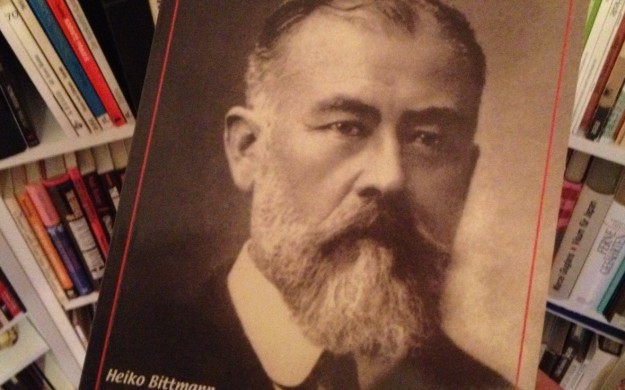
For the academic study of karate, it is also important to think outside the box. I always look to see what’s new on the market and what scholarly approach the authors have chosen for their research of other martial arts disciplines. Erwin von Baelz (1848–1913) was a German doctor and, together with German surgeon Julius… Continue reading
-
Interview with Professor Heiko Bittmann

Heiko Bittmann is a Japanologist and sports scientist. He practises iaidō (Musō Jikiden Eishin-ryū, 6th Dan), jōdō (Shintō Musō-ryū, 5th Dan) and karatedō (Shōtōkan, 3rd Dan). In the course of publishing his dissertation Karatedō – The Way of the Empty Hand, he founded his own publishing house. Mr. Bittmann has been an assistant professor since… Continue reading
-
Subscribe
Subscribed
Have a WordPress.com account? Log in now.

