-
“Kunpatte Sensei”
In the book Okinawa kenshi: Kakuron hen IV-V. Bunka (1965) 沖縄県史: 各論編 IV-V. 文化, there is a brief passage describing Hanashiro Chōmo 花城長茂 (1868–1945): 花城はふんばってというのをくんばる というところから、「クンパッテ先生」とあだ名がつけられていたよう一方 … Hanashiro was nicknamed “kunpatte sensei,” from the Japanese word “funbaru“ … The verb funbaru 踏ん張る can be translated as (1) to brace one’s legs; to stand firm; to… Continue reading
-
Review: Kensei – Kyan Chōtoku: The Man and his Art
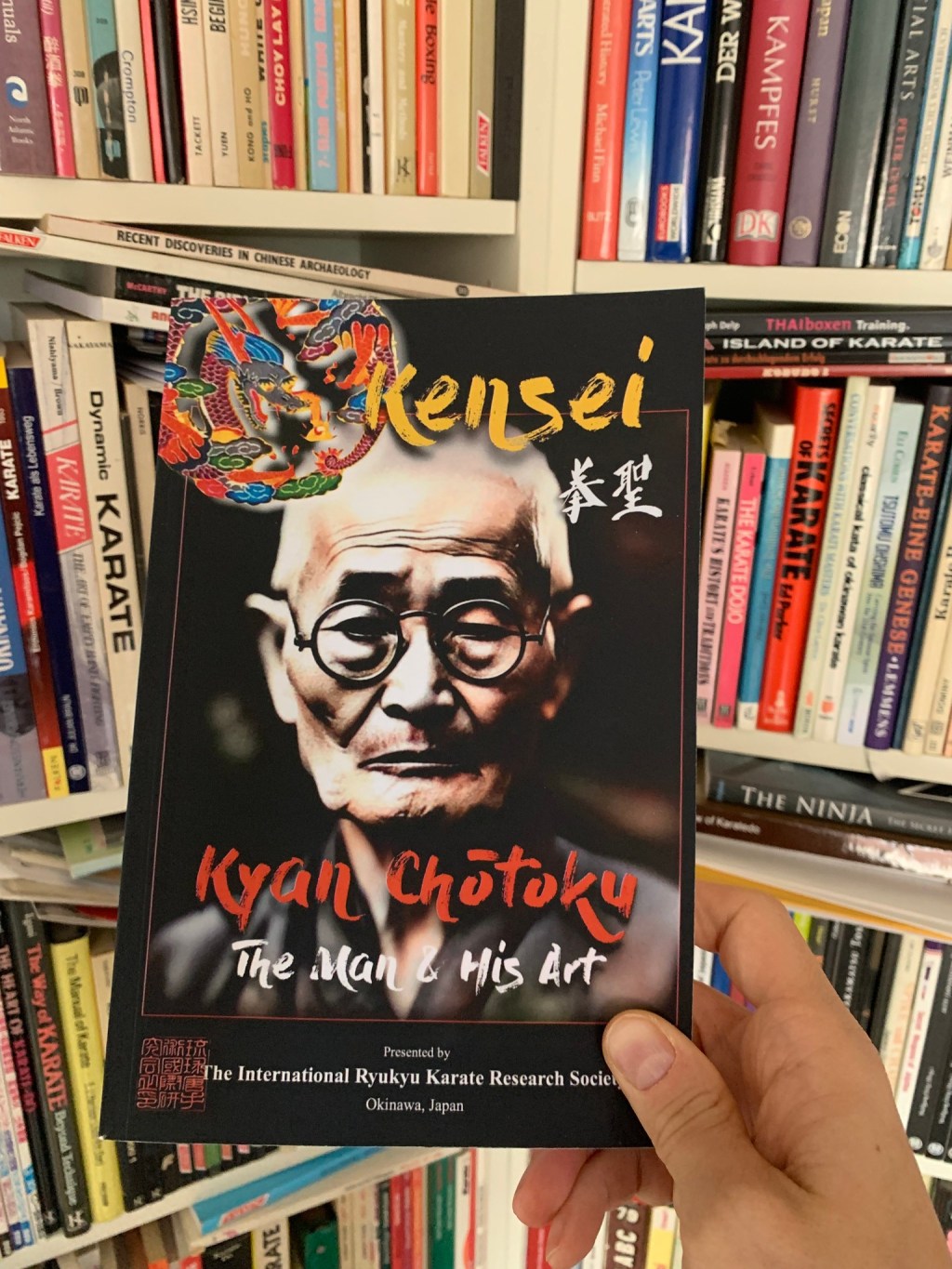
Kyan Chōtoku (1870–1945) is a fascinating person of the karate world and a peer of Yabu Kentsū (1866–1937). Both studied with Matsumura Sōkon (c1809-c1899). And together they appear in the well-known group photo from 1937, which shows the leading karate masters of that time. As most senior experts they sat to each other in the front… Continue reading
-
Physical examination of Ryūkyūan recruits
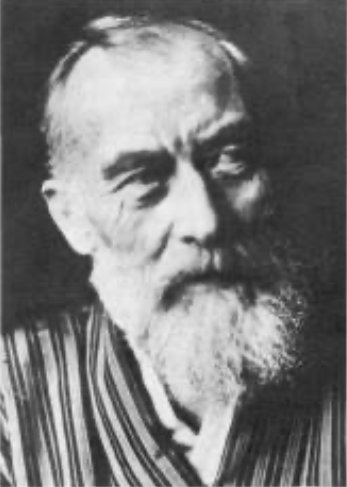
In 1911, German internist and anthropologist Erwin von Bälz (1849–1913) talked about the people from Ryūkyū, in whose “peculiarities” he was interested: “When I learned in 1899 that recruits from Riu-Kiu [sic] had been recruited in the southern garrisons, I asked the military authorities for permission, which they gladly granted, to study these people anthropologically.… Continue reading
-
Weapon performances on the Yaeyama Islands

In the book 南島江戸時図誌 Nantō Edo toki-zu-shi [24] (1977) are several pieces of the 八重山風俗図 Yaeyama Fūzoku-zu, a collection of genre paintings from the end of the Ôfu period (15th century–1879). It is said that Nishi Tsuneo (西常央, 1848–1900), a native of Fukuoka who came to Okinawa in 1882 and held public offices in the… Continue reading
-
Mistakes in book chapter about Yabu Kentsū

Over the years several authors portrayed Yabu Kentsū 屋部憲通 (1866–1937). Probably the first in English language was Richard Kim (1917–2001) in his book The Weaponless Warriors, which was published in 1974 and reprinted many times afterwards. My copy is the 19th printing dated 1996. Kim certainly did not want to present an academic work but rather… Continue reading
-
Itosu Ankō medical history
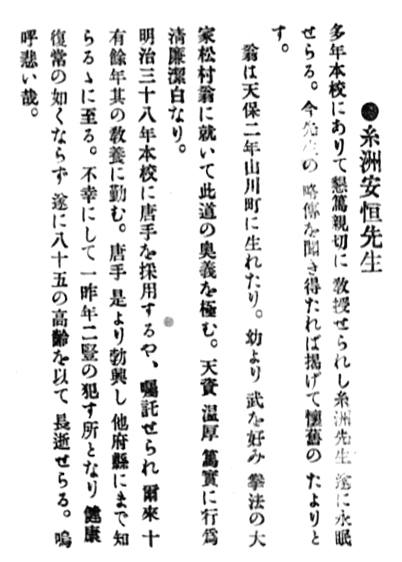
For my book Ankō Itosu: The Man. The Master. The Myth (2021), I had a medical specialist evaluate the health of Itosu Ankō 糸洲安恒 (1831-1915) in his last 2–3 years. For this task based on my research, I prepared a brief profile and an anamnesis of Itosu. ———– Profile: Name: Itosu Ankō Gender: male Born:… Continue reading
-
Review: About the Taekwondo spirit
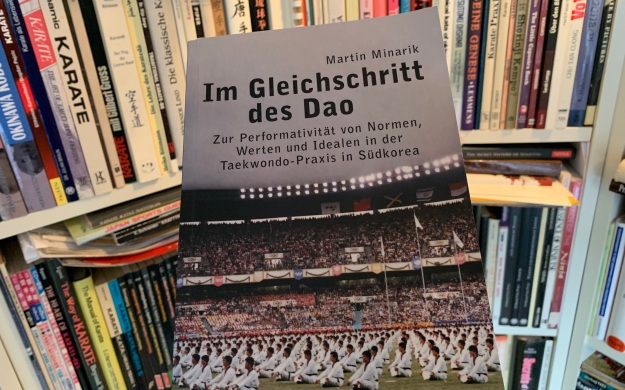
For the academic study of karate, it is also important to think outside the box. I always look to see what’s new on the market and what scholarly approach the authors have chosen for their research of other martial arts disciplines. There is no question that norms, values and ideals play a role in Korean… Continue reading
-
A poem by Funakoshi Gichin unearthed recently
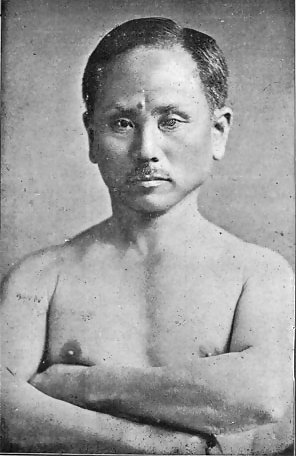
It was in 1922 that karate began to be popularized outside of Okinawa Prefecture by Funakoshi Gichin 船越義珍 (1868–1957). A hundred years have passed since then. In this context, the Okinawa Karate Academy on November 24, 2022 dedicated a lecture to Funakoshi’s time on Okinawa: 空手普及100年 一 船越義珍の足跡をたどる一 (100 Years of Karate Popularization: In the… Continue reading
-
Matsumora Kōsaku heroic tales
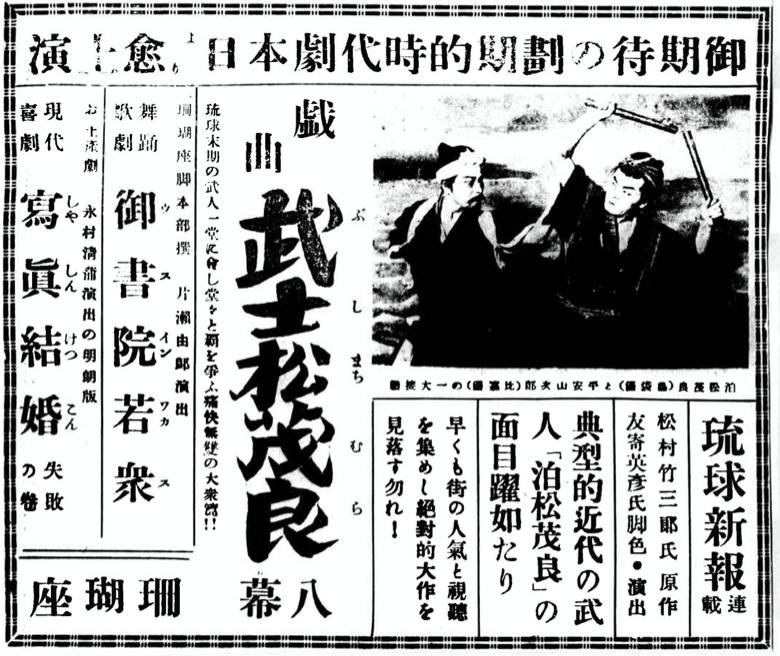
Matsumora Kōsaku 松茂良 興作 (1829–1898) was a famous Okinawan karate master from Tomari. Over the course of several months in 1938, his heroic tales were written down in a number of fictional short stories in the newspaper Ryūkyū Shimpō. Based on the stories also a stage play was set up which had been advertised in… Continue reading
-
Analysis of Itosu’s letter in Hungarian academic magazine
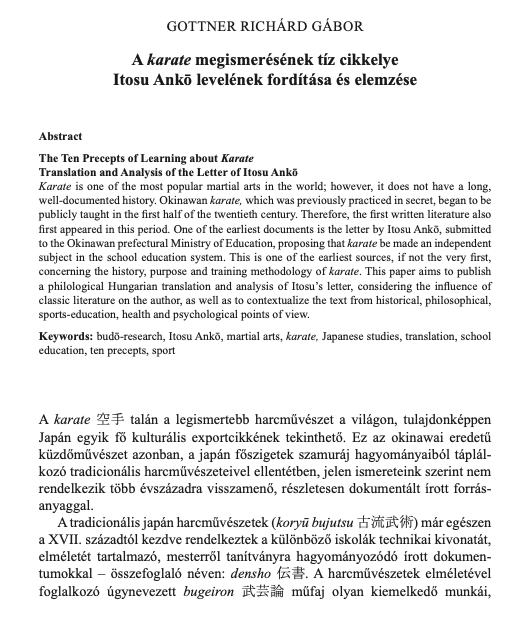
There is a very interesting article about Itosu Ankō’s 糸洲安恒 (1831-1915) 1908 letter also known as the “Ten Lessons of Itosu” 糸洲十訓 (Itosu jūkun). For the Hungarian academic magazine Távol-keleti Tanulmányok (Journal of East Asian Cultures) the author Gábor Richárd Gottner (Master’s degree in Japanese Studies and member of the Japanese Studies Doctoral Programme of the Eötvös… Continue reading
-
Subscribe
Subscribed
Have a WordPress.com account? Log in now.

