-
About Itosu’s occupation after 1879
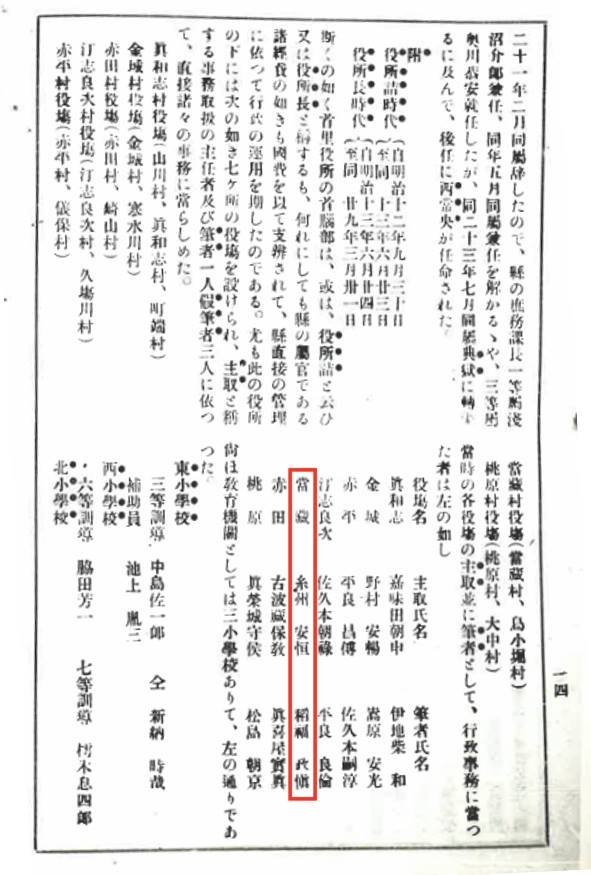
When the Ryūkyū Kingdom was abolished in 1879 and the islands were made Okinawa Prefecture by the Meiji government, Itosu Ankō’s work for the royal court came to an end. For a long time, it has been assumed that Itosu then retired and devoted his life entirely to his training and the passing on of… Continue reading
-
A poem by Itosu Ankō
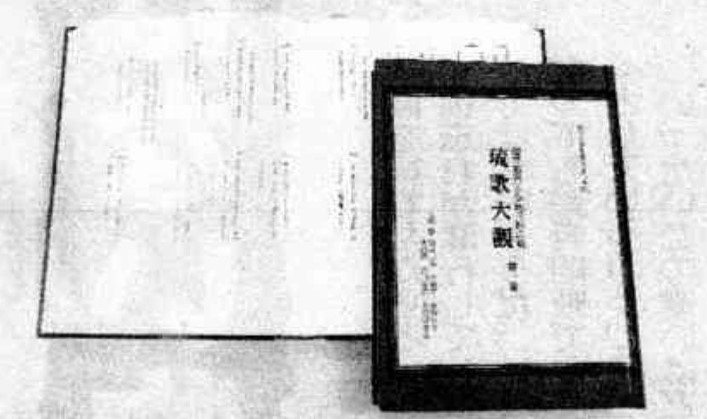
For many decades it has been believed that Itosu Ankō‘s letter (1908) had been the only writing preserved from the venerable master who died in 1915. Due to the strenuous efforts by the research team of the prefectural Karate Promotion Division, a poem written by Itosu Ankō 糸洲安恒 (1831-1915) has recently been found – a… Continue reading
-
Further photos of the 1921 karate demonstration?
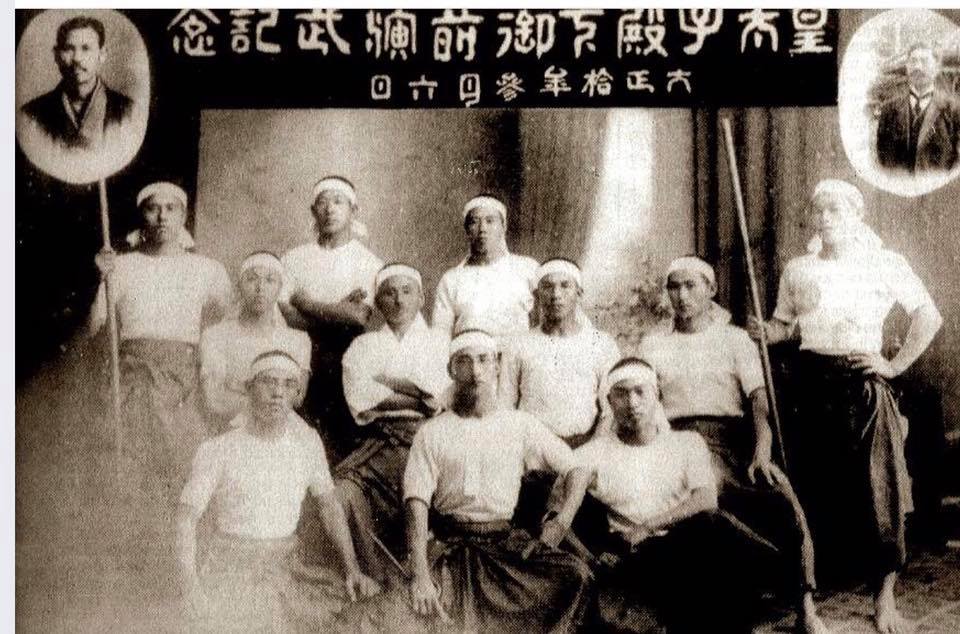
The March 1921 karate demonstration in the courtyard of Shuri Castle, led by Funakoshi Gichin 船越義珍 (1868–1957) in the presence of Crown Prince Hirohito 裕仁 (1901–1989), celebrated its 100th anniversary this year. Only a few photos of Hirohito’s short stay in Okinawa have survived. In the biography of Kenna Kenwa 漢那憲和 (1877–1950), Okinawan born former… Continue reading
-
Famous photo shows Miyake Sango instead of Itosu Ankō
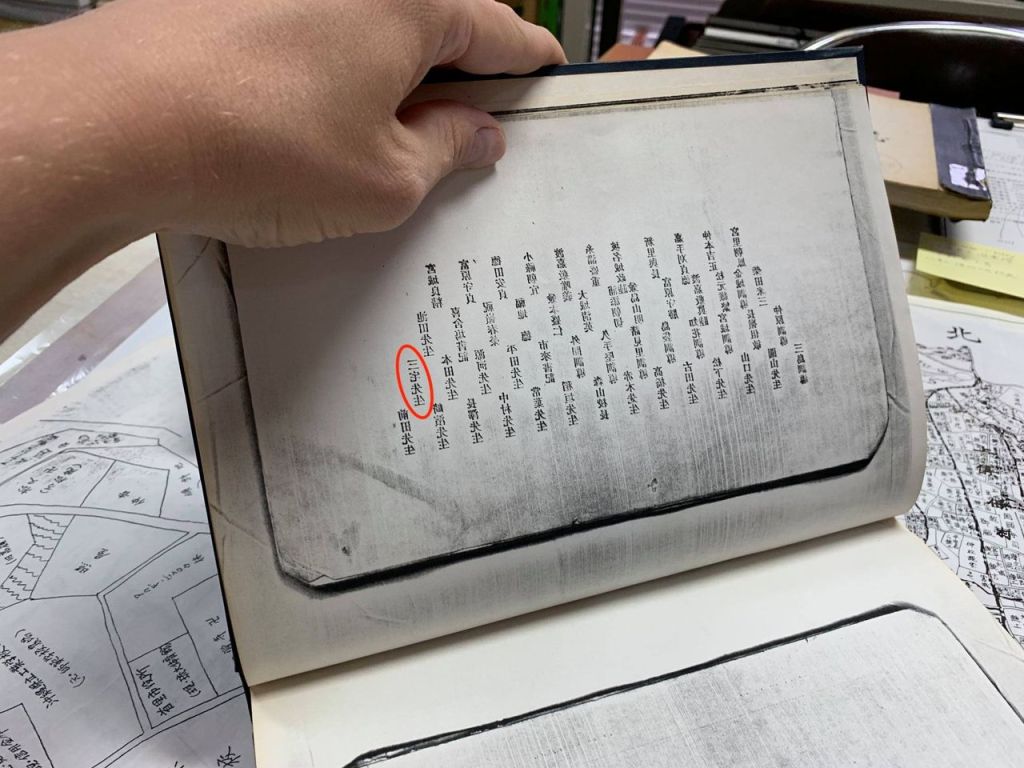
In early 2019, it has been discovered that the image once believed to be Itosu Ankō 糸洲安恒 (1831–1915) actually shows a different person, namely Japanese fencing master Miyake Sango 三宅三五 ( 1847–?). This page from the school magazine Ryūtan 龍潭 No. 9. (1911) photographed by me in Naha in September 2019 are considered evidence to… Continue reading
-
Itosu Ankō biography published
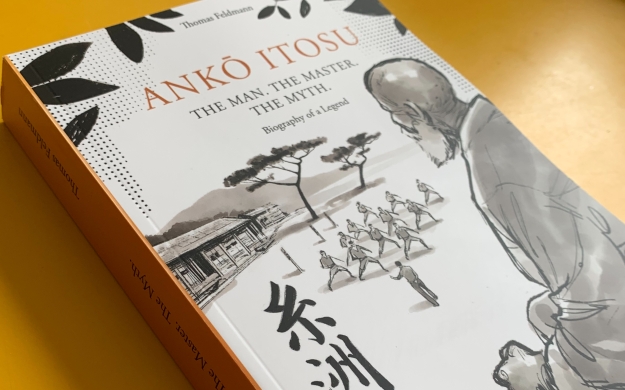
After more than three years of work, the first comprehensive biography of Ankō Itosu (1831–1915) has finally been published. Itosu trained a new generation of martial artists who were responsible for the further spread of this unique art. His students included Yabu Kentsū, Hanashiro Chōmo, Funakoshi Gichin, Motobu Chōki, Gusukuma Shinpan, Mabuni Kenwa, Tōyama Kanken… Continue reading
-
No high kicks in Okinawan karate?
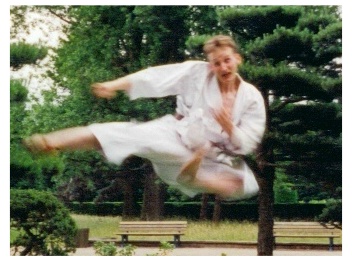
Recently a video was published about the supposed influencing factors of high kicks in karate. The theory is interesting, the video very entertaining. But there is a lack of historical evidence. There are so many myths and legends in the world of martial arts. For many years, serious efforts have been made to explain historical… Continue reading
-
Yabu Kentsū talks about voluntarily joining the Army
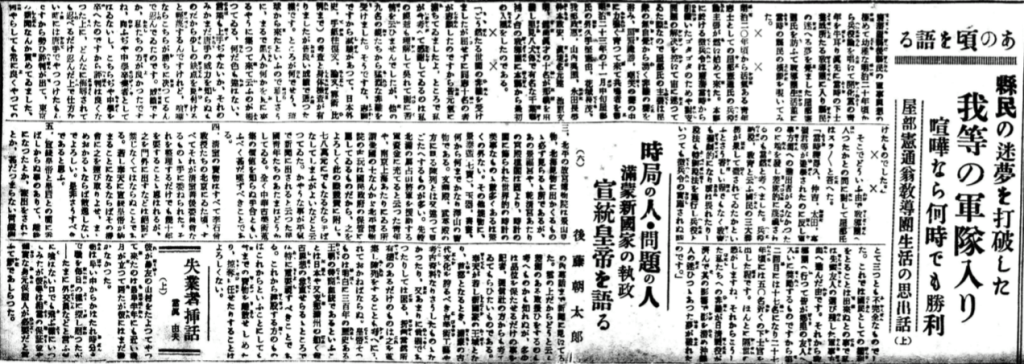
Yabu Kentsū (1866–1937) is one of the most important figures in the development of modern karate. He was instructed in karate, the civil fighting arts of Ryūkyū, from a young age by Matsumura Sōkon (1809–1899) and Itosu Ankō (1831–1915). It is well known that Yabu voluntarily joined the Japanese Army in 1890. But it is… Continue reading
-
When karate was introduced in Okinawan schools
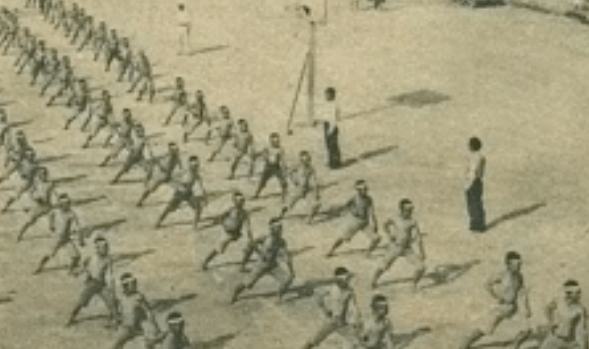
There is a discussion about when exactly karate was introduced into Okinawan schools. In the literature we find the following: (1) Ryūkyū Shimpō (1905): “At the end of last year [1904], the staff of this [middle] school thought there might be some benefit to be found in karate, and immediately began researching the issue.“ (2)… Continue reading
-
Review: Introduction to Karate-Do. Its Inner Techniques and Secret Arts
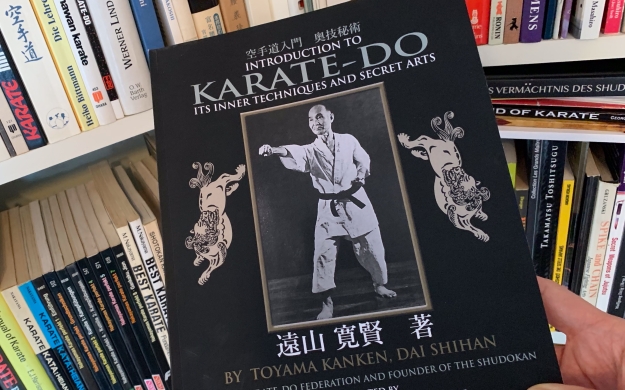
The book has been in my possession for several weeks. Now I would like to congratulate Tobey Stansbury for his great work. In Introduction to Karate-Do. Its Inner Techniques and Secret Arts (2019) Stansbury offers his translations of the books Karate-dō Okugi Hijutsu 空手道 : 奥技秘術 (1956) and Karate-dō Nyūmon 空手道入門 (1967) by Tōyama Kanken 遠山寬賢(1888–1966),… Continue reading
-
Review: Motobu book from 1932 newly translated
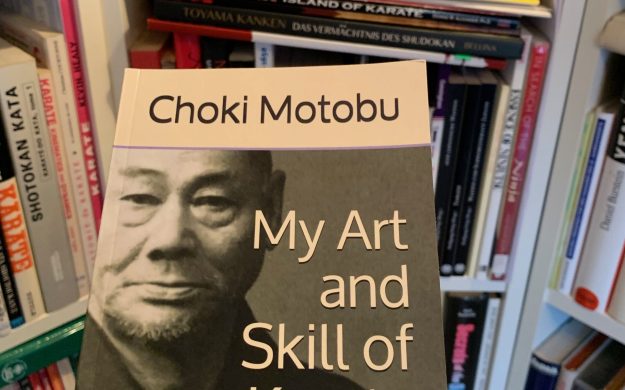
Motobu Chōki 本部 朝基 (1870–1944) is one of today’s best-known representatives of Ryūkyū martial arts and an important contemporary witness of Okinawa in the late 19th century and early 20th century. Not only did he learn from Matsumura, Matsumora, Tokumine and Sakuma, he was also a student of Itosu Ankō (1831–1915) for several years, under… Continue reading
-
Subscribe
Subscribed
Have a WordPress.com account? Log in now.

